The Capuchin Crypt in Rome
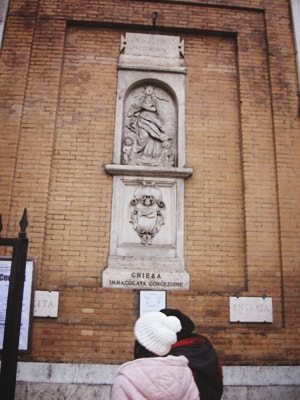
Ingyeong and I were eagerly heading to the Capuchin Crypt.
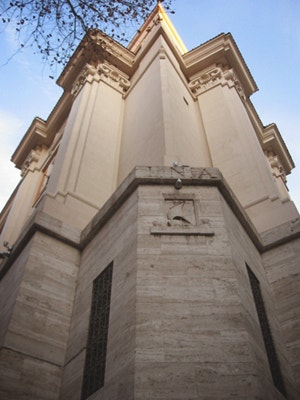
This looks like the Capuchin Crypt building…
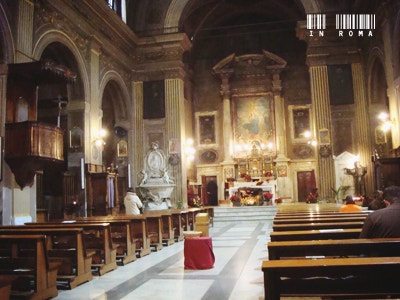
We accidentally entered the church right next to it. But the church interior was so beautiful.
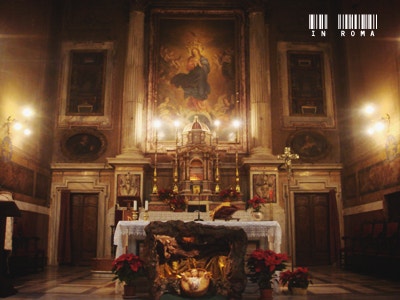
Emmanuel and baby Jesus.
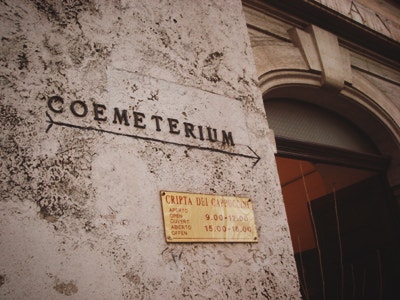
This is the Capuchin Crypt, no confusion… the bone church said to be made from monks’ bones. Photography is prohibited inside, so we could not take photos.
In 1626, Antonio Barberini, brother of Pope Urban VIII (he was a cardinal and a Capuchin friar), built a plain, humble church on the Via Veneto of that time. Unlike other cardinals, after death he was buried not in a grand marble sarcophagus but under a stone slab beside the altar, whose epitaph reads “Here turned to dust and ashes.”
This grim awareness of death is even clearer in the church crypt, where Capuchin friars decorated the walls of a chapel with five vaults using the bones and skulls of deceased companions. The interior looks decorated with human bones. There are arches made of human skulls and femurs, skeletons in friar robes embracing crosses, a large triangular altar built by stacking bones layer upon layer, and the ceiling and walls artfully fitted and joined with human bones large and small.
At the exit, a Latin inscription reads “Your present self is your future.”
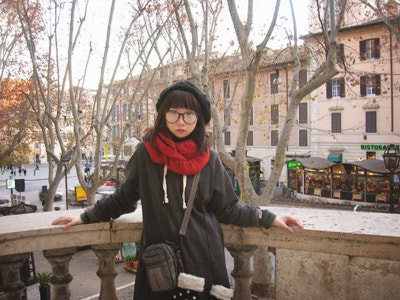
Leaning on the crypt railing…
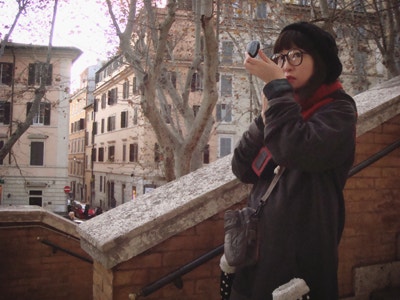
Ingyeong secretly photographed me looking in the mirror…
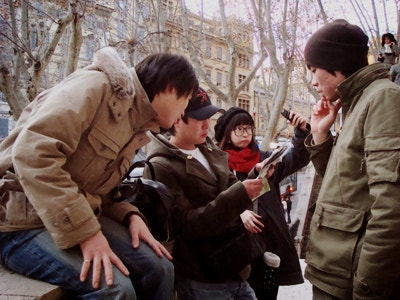
Secretly photographed while taking photos with the camera…
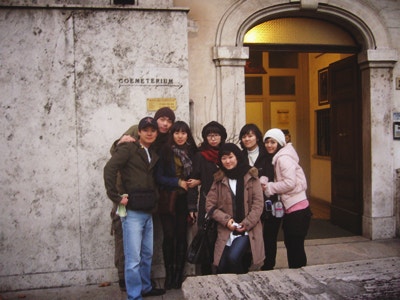
A final group photo in front of the Capuchin Crypt… The crypt we wished we had seen more of…
Prices, hours and details in this post are from our visit in February 2008 and may have changed, so check the latest information before you go.