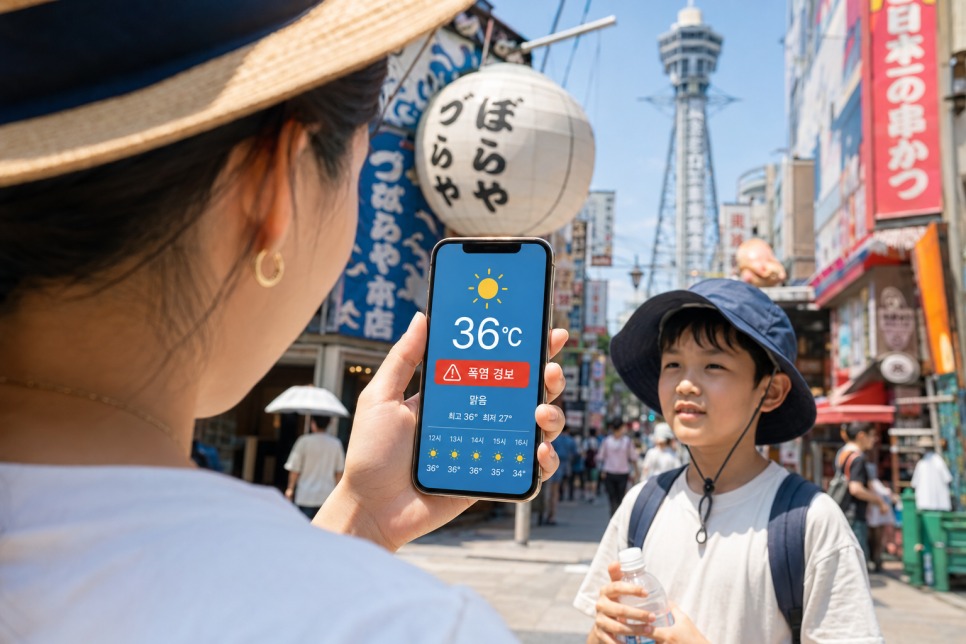
Planning Japan summer travel with kids during school vacation? Before choosing sights, check the temperature and the heat index. The key is not cutting attractions but rearranging them by time of day, so here’s how to plan days and pack to stay comfortable in a heat wave.
According to the Japan Meteorological Agency, on July 17, 2026, 666 stations in Japan recorded highs of 30°C or more and 105 recorded 35°C or more. That’s not just “a bit hot”; it’s a level where long outdoor sightseeing needs adjusting.
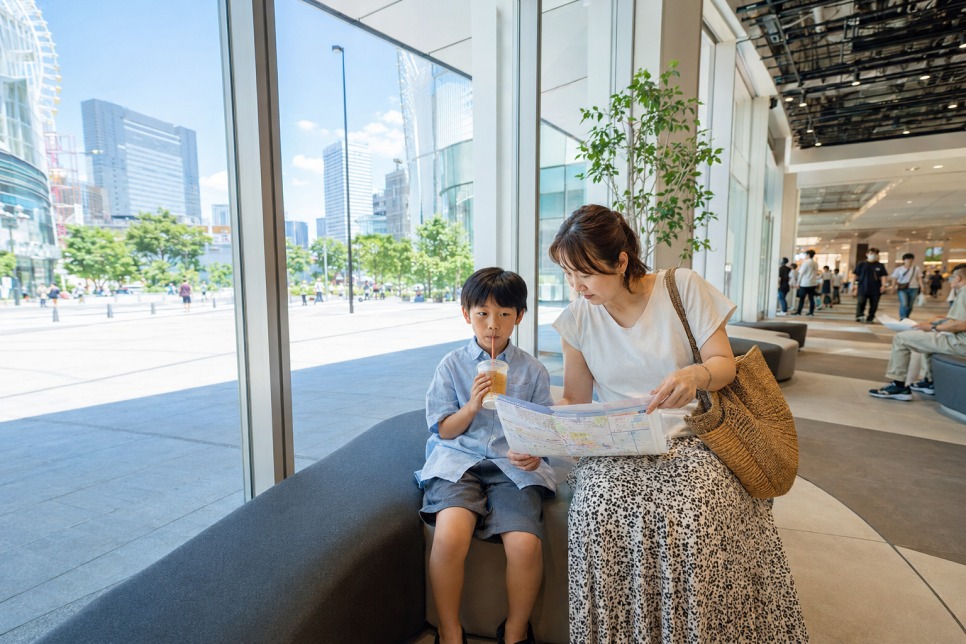
With kids, stringing attractions together from morning to evening isn’t recommended. Japan summer travel is about rearranging time slots, not cutting sights.
How to Plan Japan Summer Travel in a Heat Wave
Plan outdoor sights like shrines, parks and markets from 8 to 11 a.m.; malls, museums, aquariums and lunch from 11 a.m. to 3 p.m.; hotel rest or a cafe from 3 to 5 p.m.; and observation decks, night views and busy districts after 5 p.m.
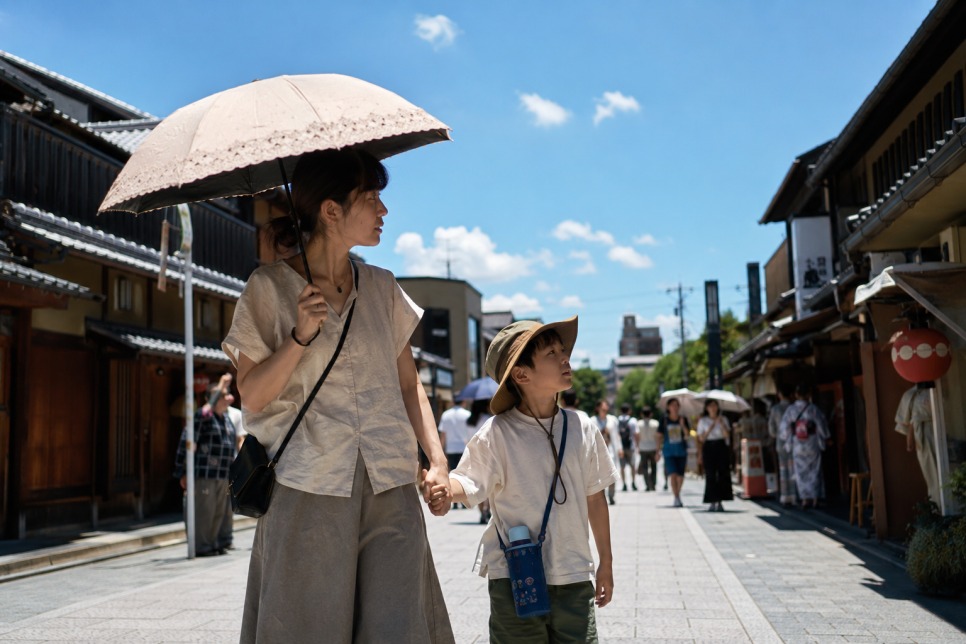
In Tokyo, visit outdoor spots like Asakusa and Meiji Jingu in the morning, and choose malls or museums over Shibuya Sky at midday.
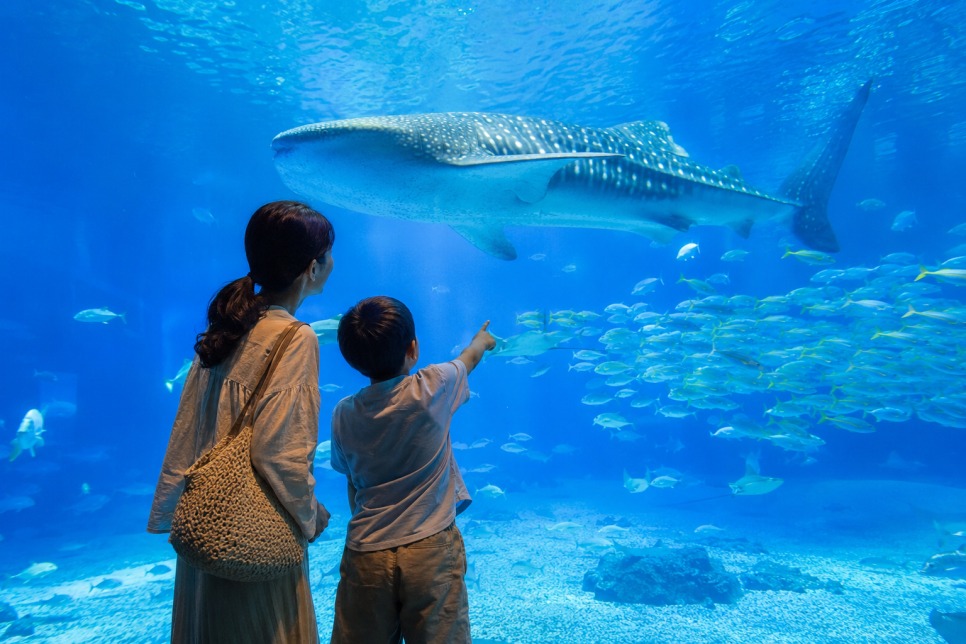
Osaka is the same: visit Osaka Castle Park and Shinsekai in the morning or late afternoon, and spend midday at the Kaiyukan aquarium or malls in Namba and Umeda.
Check the WBGT, Not Just the Temperature
Japan’s Ministry of the Environment publishes the WBGT heat index, which factors in humidity and radiant heat as well as temperature.
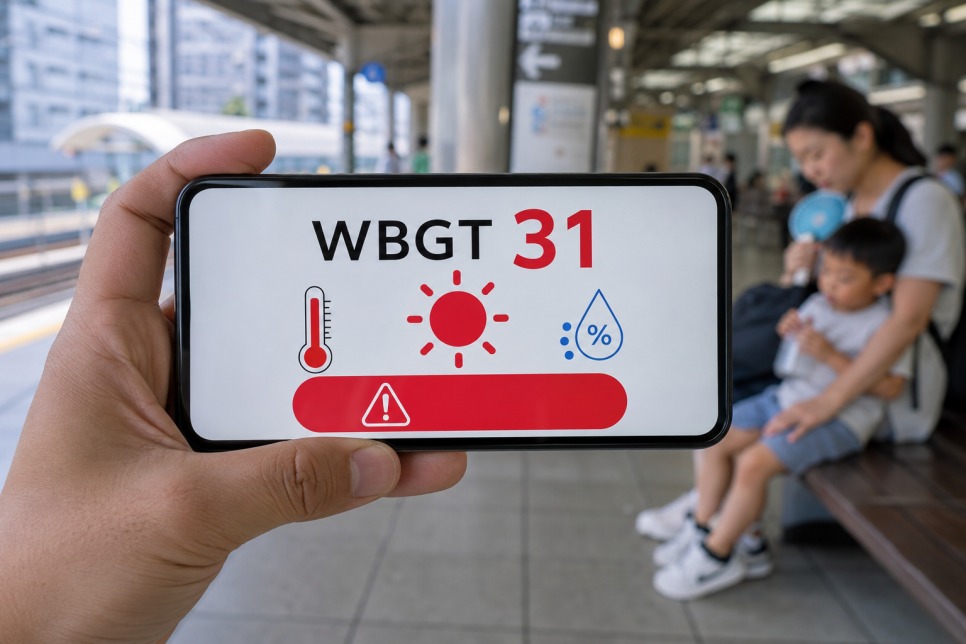
At a WBGT of 28 or higher, strenuous exercise should stop, and at 31 or higher, exercise should generally be avoided. There’s a Korean-language page too, handy to check each morning.
With kids, “they can still walk” isn’t the benchmark. If they get quieter, flushed, or complain of headache, nausea, dizziness or severe fatigue, move somewhere cool right away.
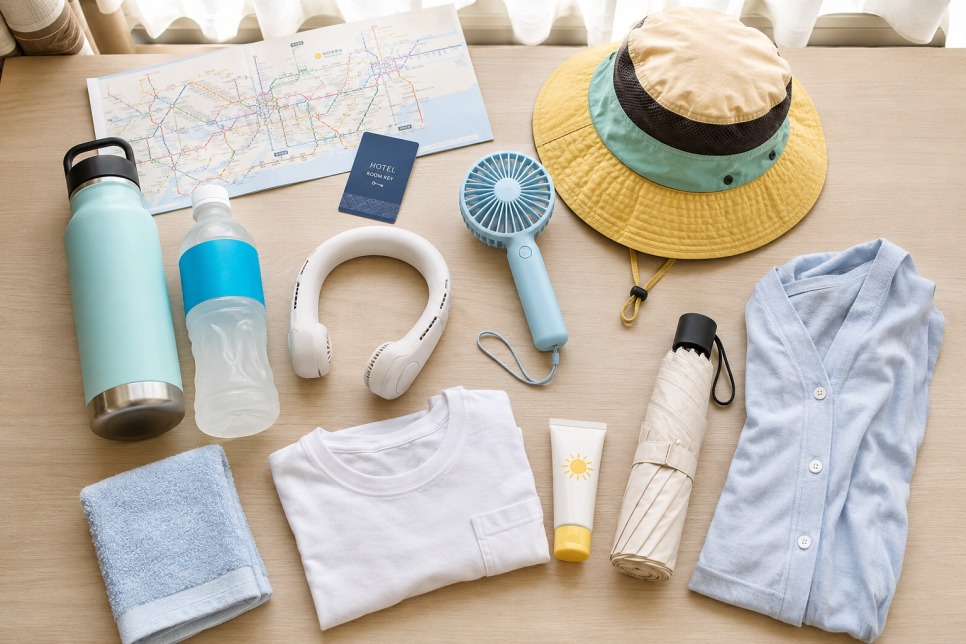
What to Pack for the Heat
Pack an insulated water bottle, sports or electrolyte drinks, a handheld fan, neck-cooling products, a wide-brimmed hat, a small sweat towel, a spare T-shirt, sunscreen, a folding parasol and a light layer for strong indoor air conditioning.
Use a handheld fan to help cool down in the shade or air conditioning, rather than for long stretches outdoors in hot air.
Convenience Stores Aren’t Rest Stops
Japan has convenience stores everywhere, but many have no seating. If you plan to duck into one whenever you’re tired, finding a place to rest can be harder than expected.
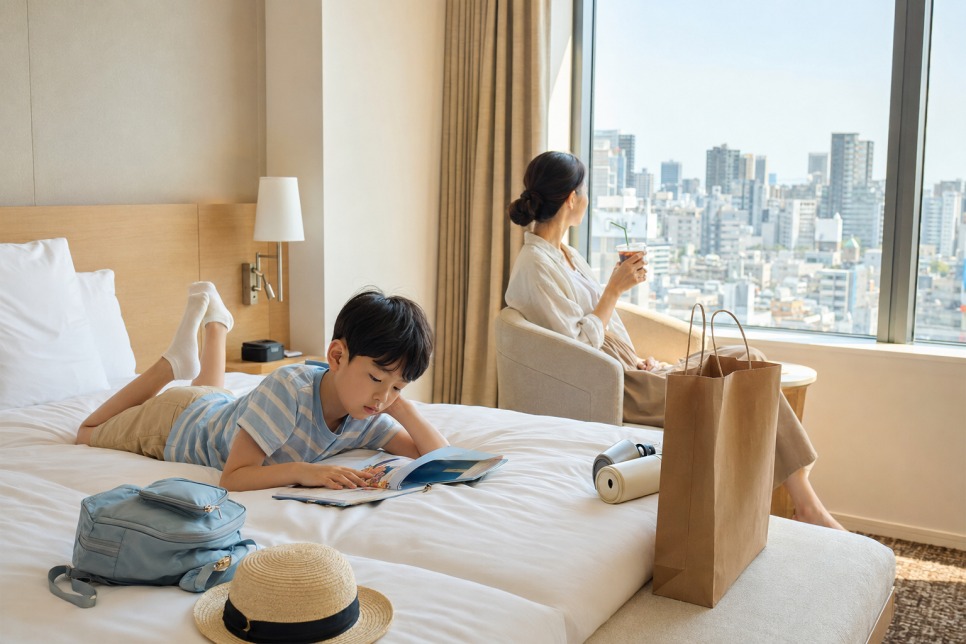
Save your next rest stop when planning routes: department stores and large malls, station shopping areas, museums and galleries, aquariums, large cafes with seating, and your hotel lobby or room.
Two sights and two reliable rest stops beat four sights with kids.
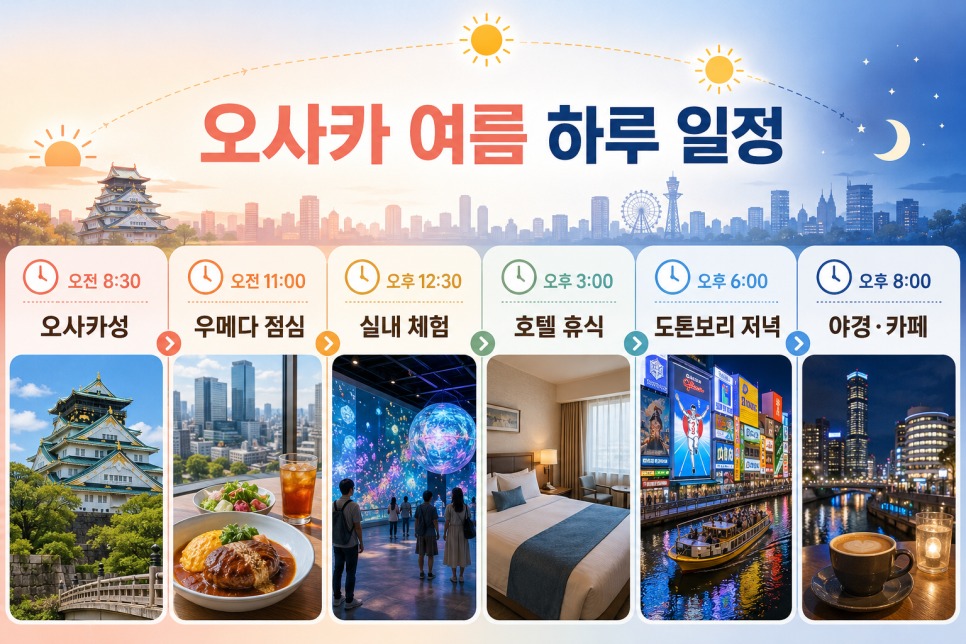
Sample Day in Osaka
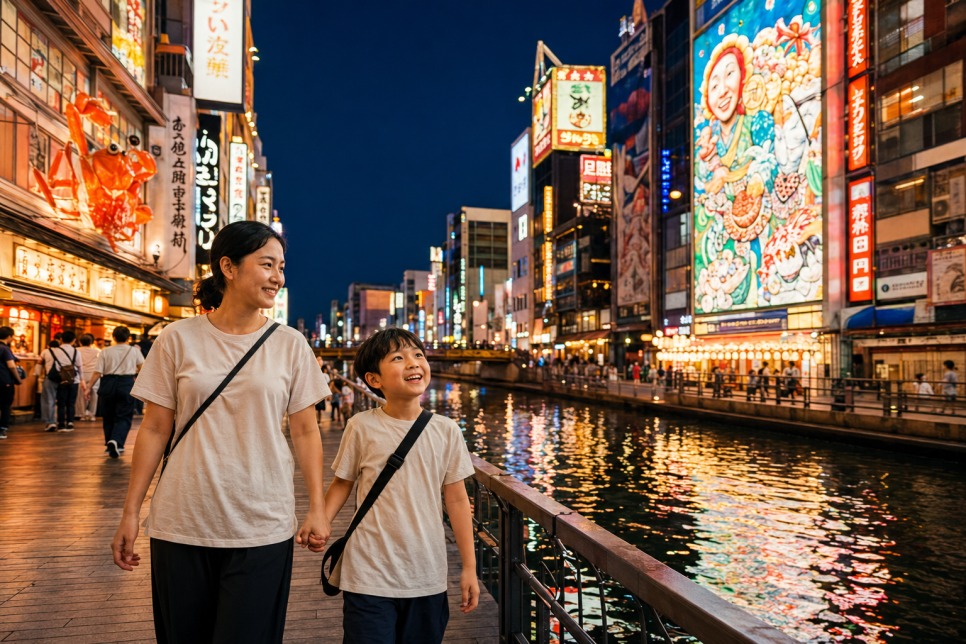
Osaka Castle area at 8:30 a.m., move to Umeda for lunch at 11, malls or indoor activities at 12:30 p.m., hotel rest at 3, dinner in Dotonbori at 6, and a night view or cafe at 8.
In summer, hotel location matters too. A hotel connected to a subway station or within 3–5 minutes of one beats a 10-minute walk.
If You Suspect Heat Illness
Move to air conditioning or shade, loosen clothing and cool the neck, armpits and groin. If your child is alert and can drink, give fluids and electrolytes.
If they become confused, can’t walk properly, vomit or can’t drink, stop the trip. Japan’s emergency number is 119.
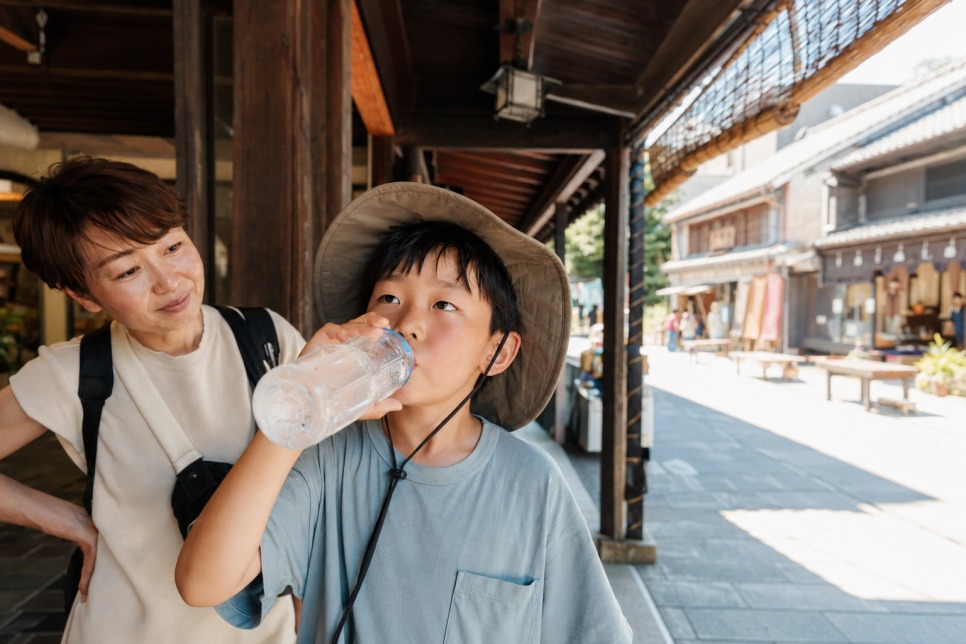
You don’t have to avoid Japan in July and August. But reusing a spring or autumn itinerary will wear out kids and adults fast.
Outdoors in the morning, indoors at midday, hotel rest in the afternoon, night views in the evening: these four rules alone make Japan summer travel much less tiring.
FAQ
- When is it hottest? It varies, but cutting outdoor plans from noon to around 3 p.m. is a good rule.
- Are cooling sheets enough? They’re only a supplement. Resting in air conditioning and replenishing water and electrolytes come first.
- How many places a day with kids? In summer, two or three main sights is realistic.
Rules and details in this guide are as of July 2026. Check the latest official information before you travel.
More Family Trips on Yans World
- Tips for Visiting Universal Studios Japan with Kids: Complete Guide to Popular Attractions and Areas
- Kyoto Travel + Kiyomizu-dera + Gyukatsu
- Free Cafe Menu Coupons for Korean Tourists in Nagoya, Japan This November
Schedules and prices can change, so check the Japan National Tourism Organization site before you go.