On an April 2024 trip to Osaka, we tried a local-style day route that many Japanese travelers love. Japan has plenty of rail passes, but one worth knowing about is the Kintetsu Rail Pass.
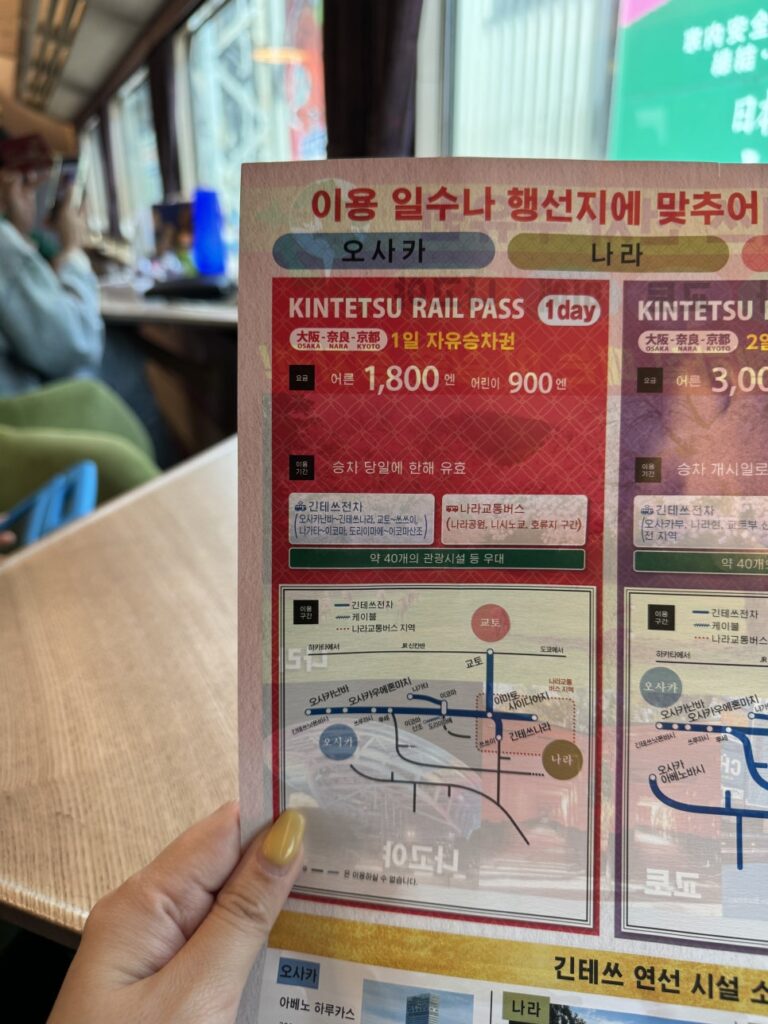
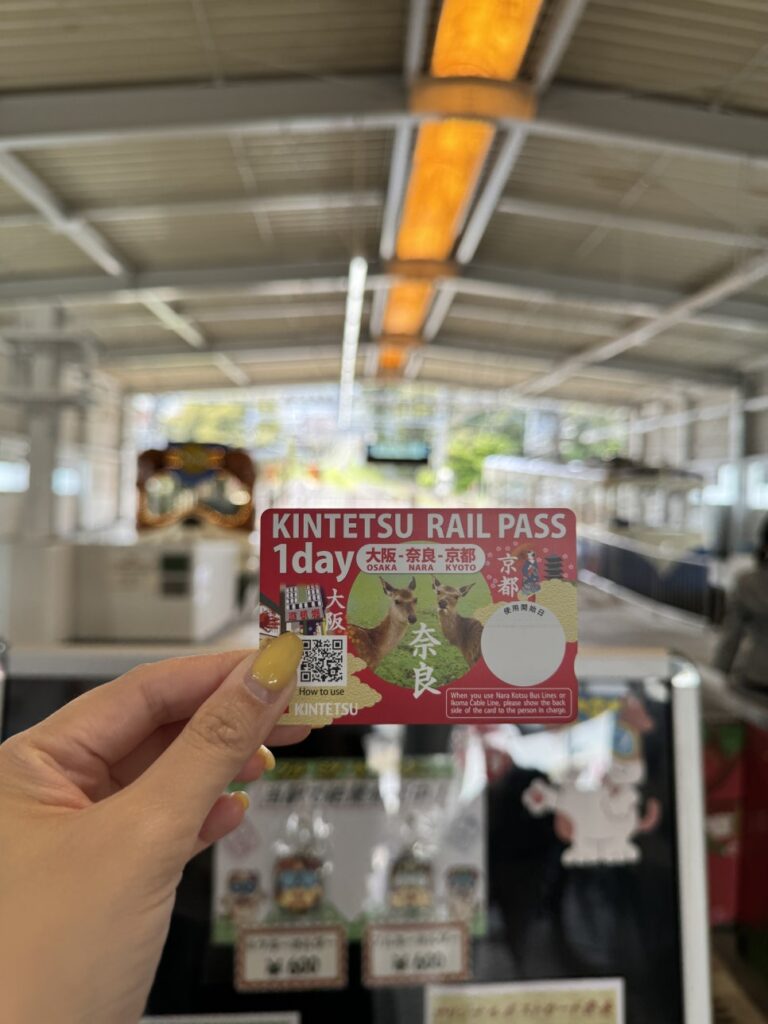
The Kintetsu Rail Pass comes in 1-day, 2-day, 5-day and 5-day Plus versions. The 1-day pass covers Osaka Namba, Nara and Kyoto, while the 2-day pass adds Tennoji and Yoshino, all at reasonable prices.
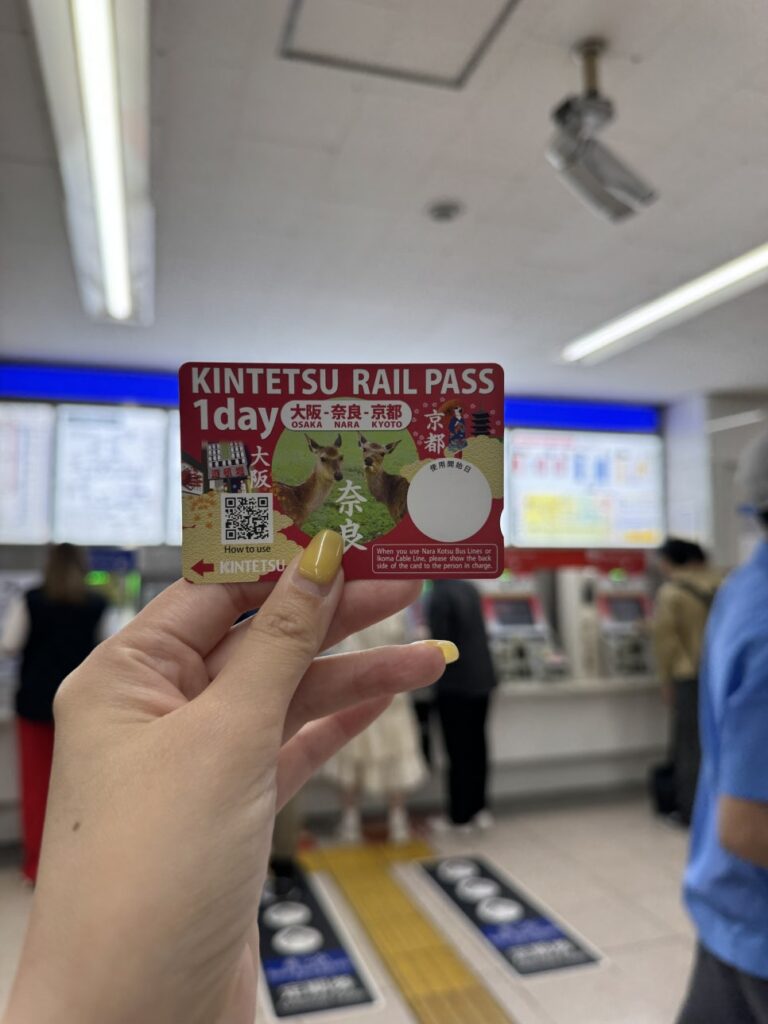
I used the 1-day Kintetsu Rail Pass to travel from Osaka Namba to Nara, Ikoma and Hozanji. As of 2024, the 1-day pass cost 1,800 yen for adults and 900 yen for children. If you buy online, you exchange your voucher for a physical pass in Japan: show your passport and tell staff your start date, and validity counts from that date. I’ve summarized the benefits of each pass type at the end of this post.
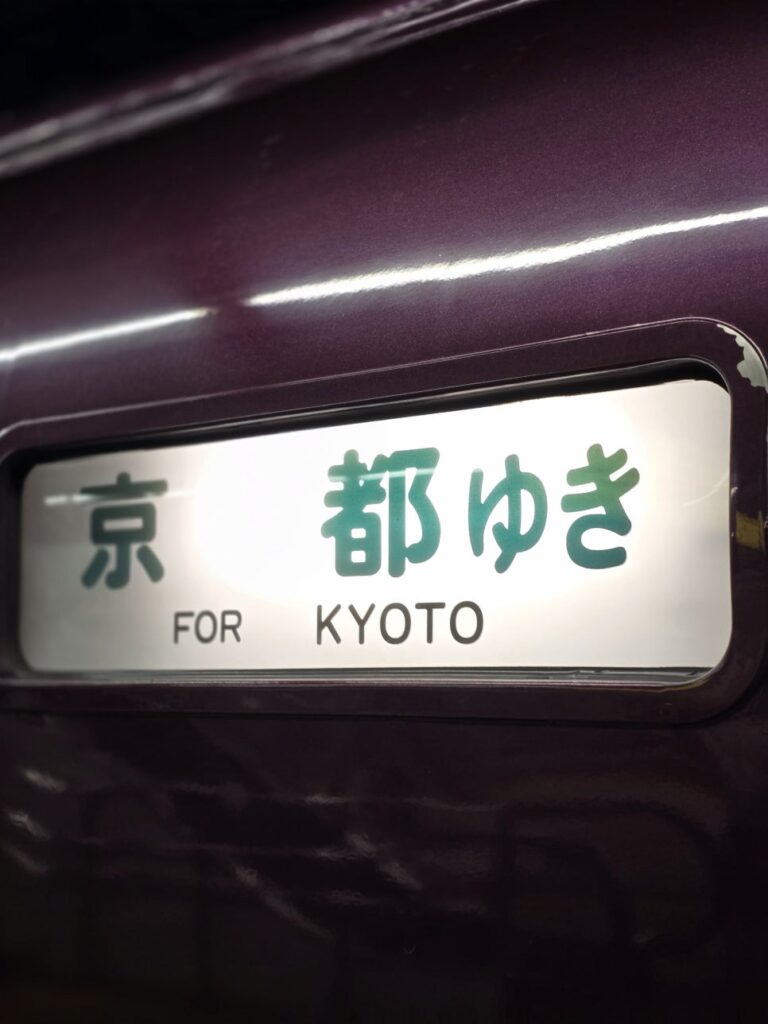
1. The Aoniyoshi Sightseeing Limited Express on the Kintetsu Rail Pass
We rode the Aoniyoshi to Nara Park. Regular Kintetsu trains also go to Nara, but if you want a more special ride, I recommend this sightseeing limited express.
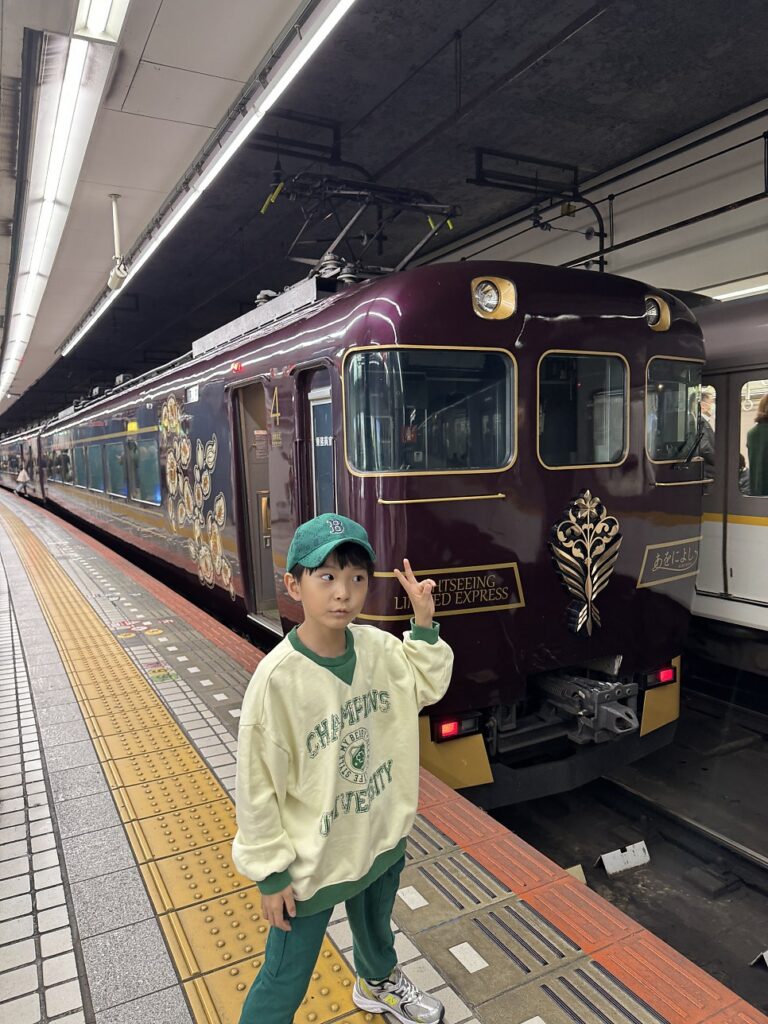
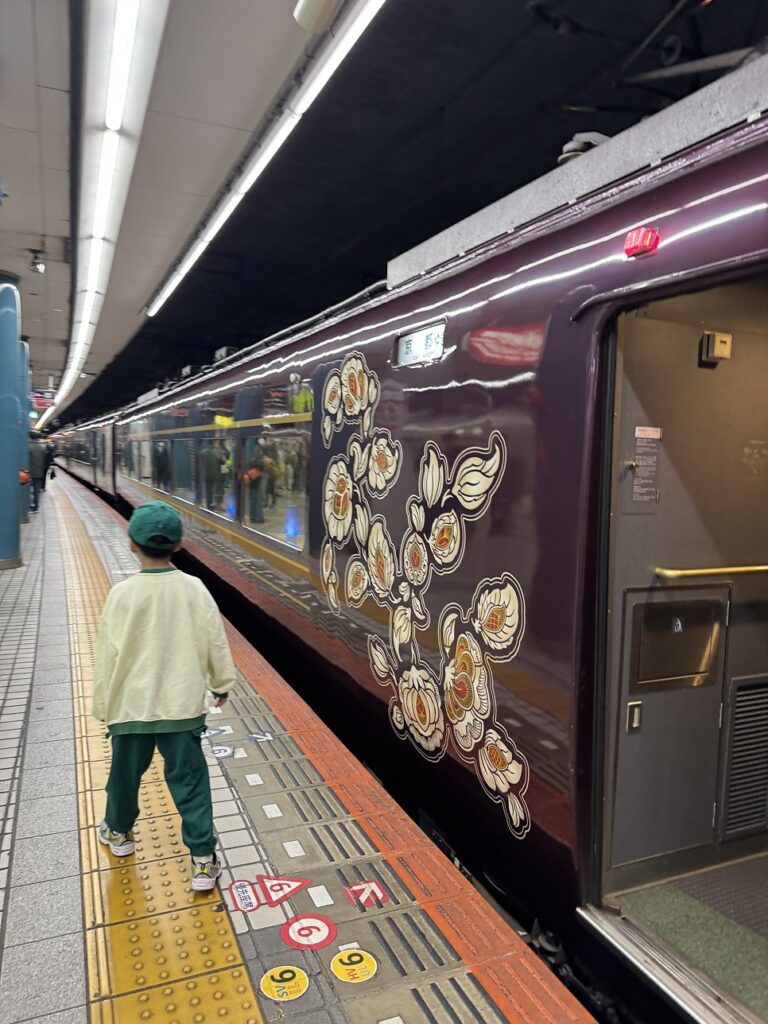
The purple train runs on a fixed timetable, so check departure times in advance. We caught the 9:10 train from Osaka Namba Station. As of 2024, the one-way surcharge to Nara was about 730 yen for adults and 370 yen for children.
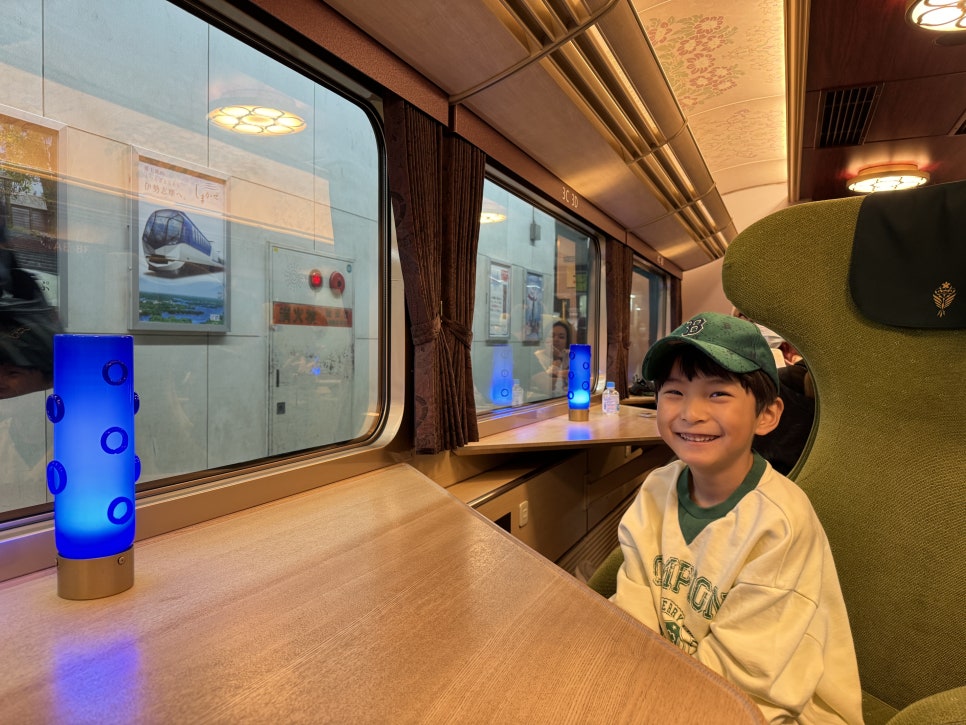
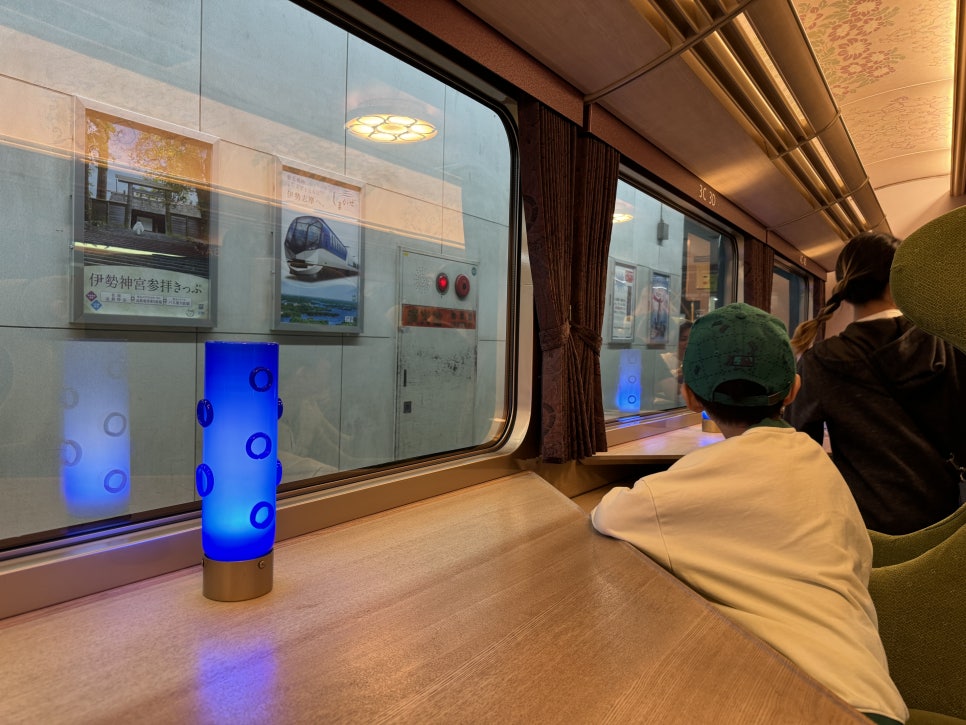
Launched in April 2022, the Aoniyoshi links Osaka, Nara and Kyoto. The seats are comfortable and the scenery is lovely, making it a special experience worth trying once if you’re planning a trip to these three cities.
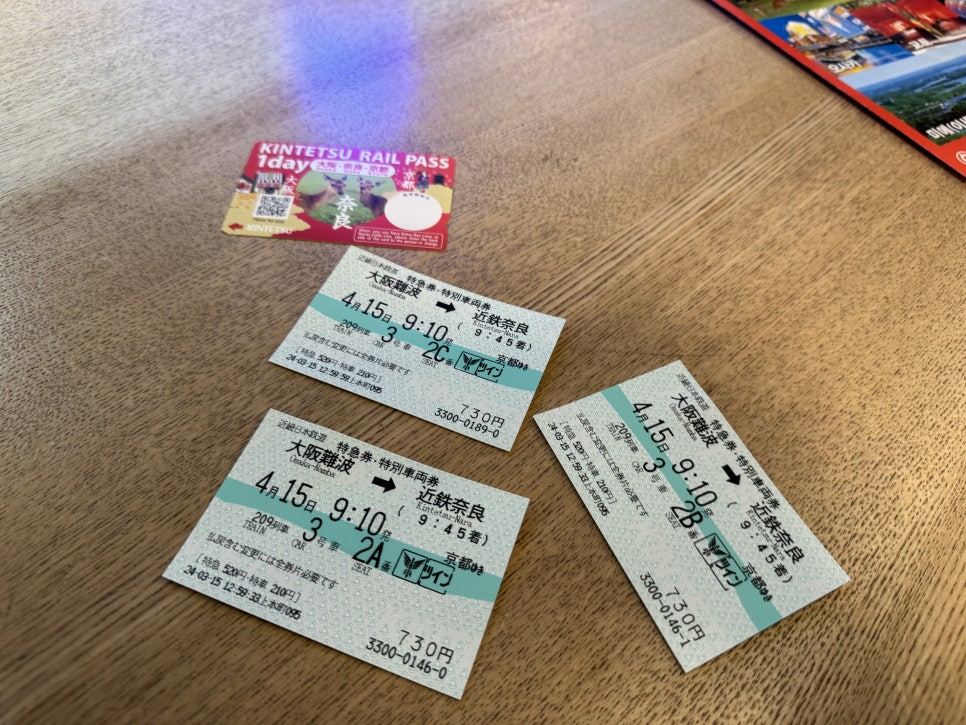
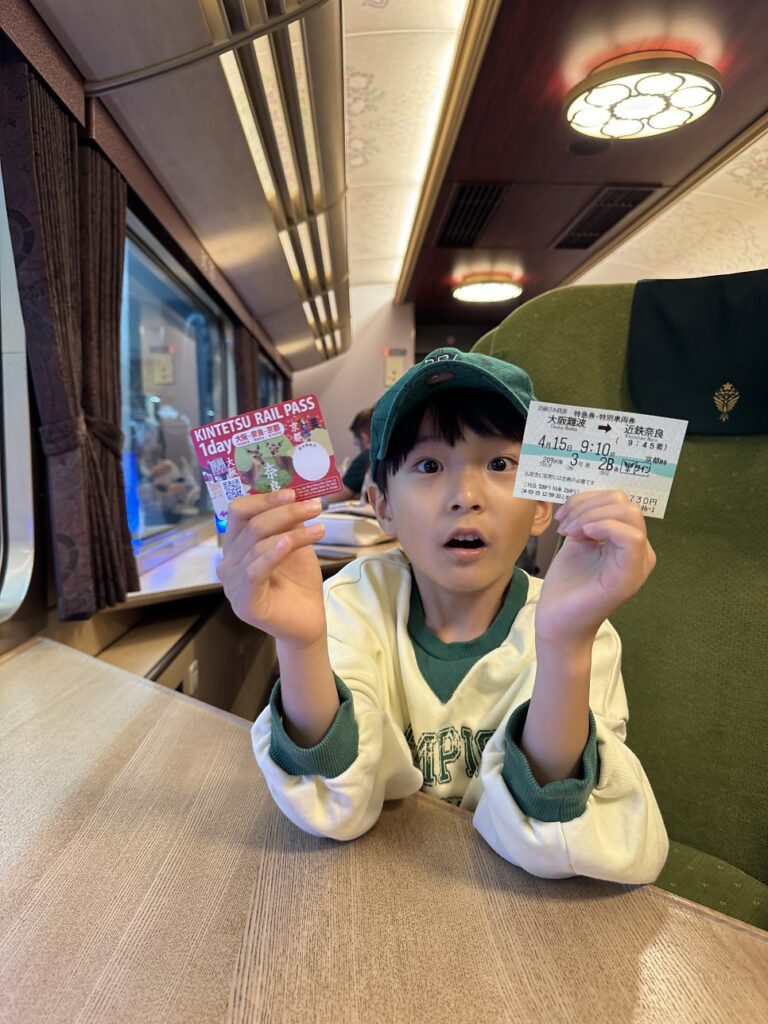
Reserve seats in advance if you can. We sat in car 3, close to the cafe, which was handy.
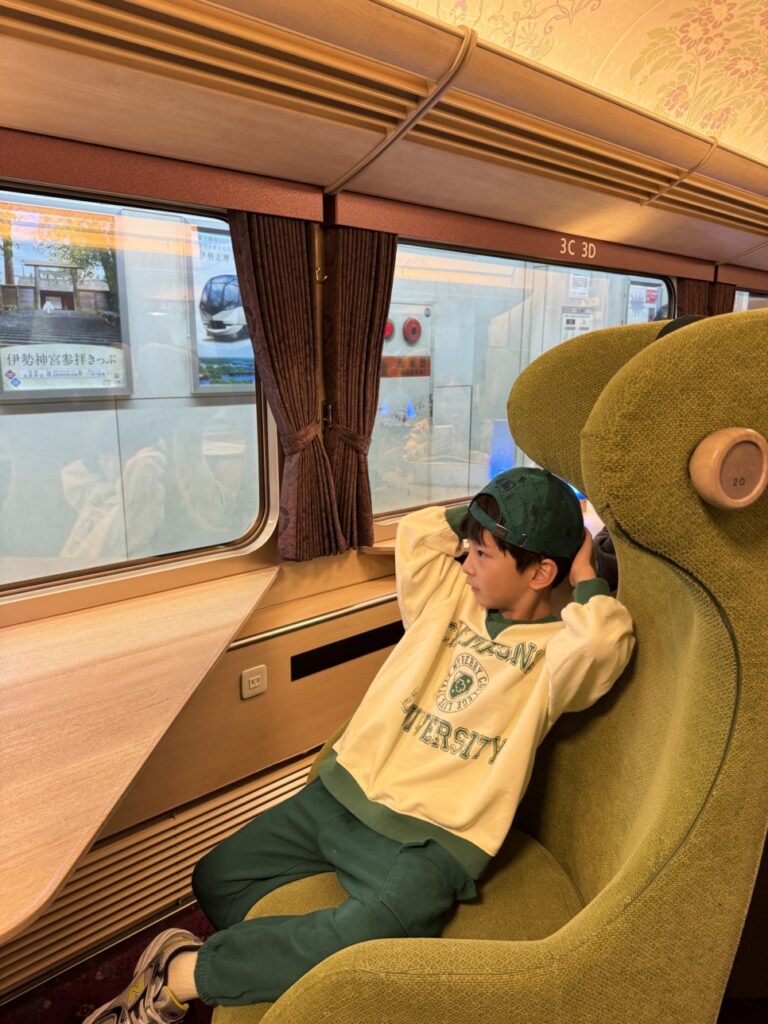
Our twin seats were roomy and comfortable, and the whole cabin felt very upscale.
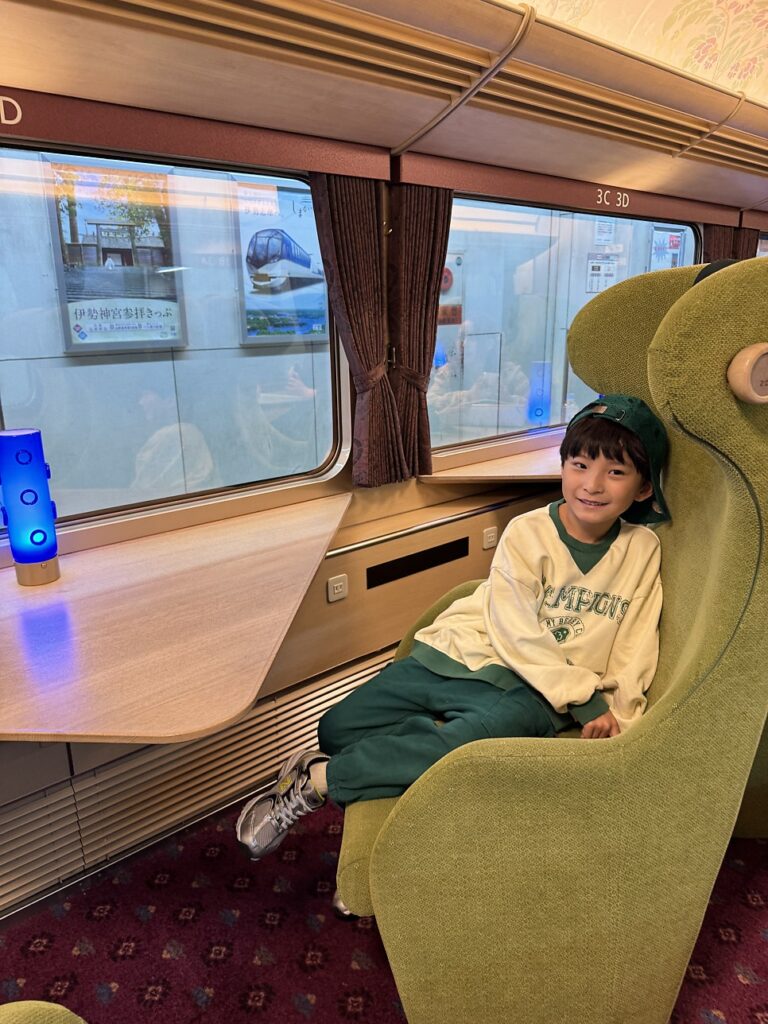
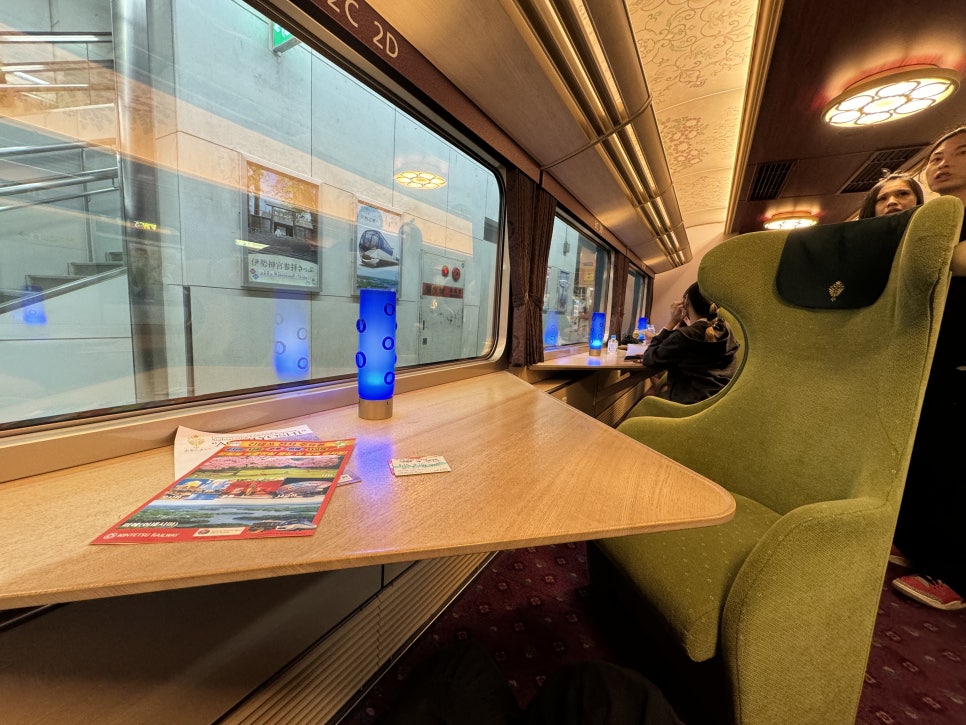
There are also salon seats for groups of three or four, divided by partitions so they feel like a private room.
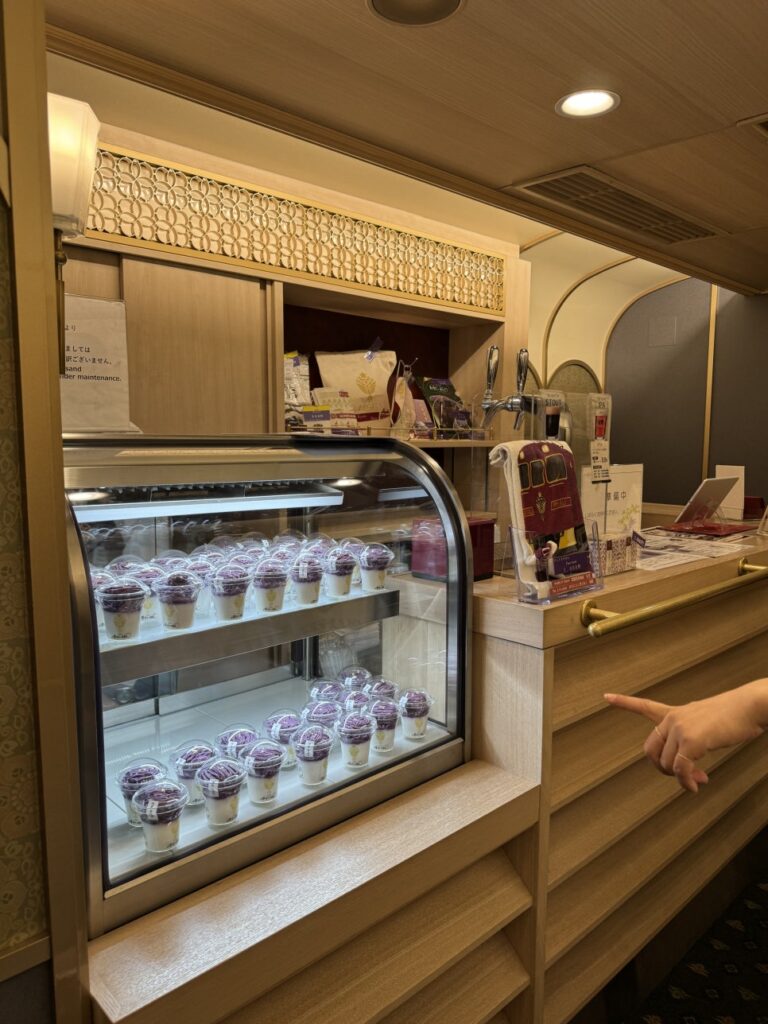
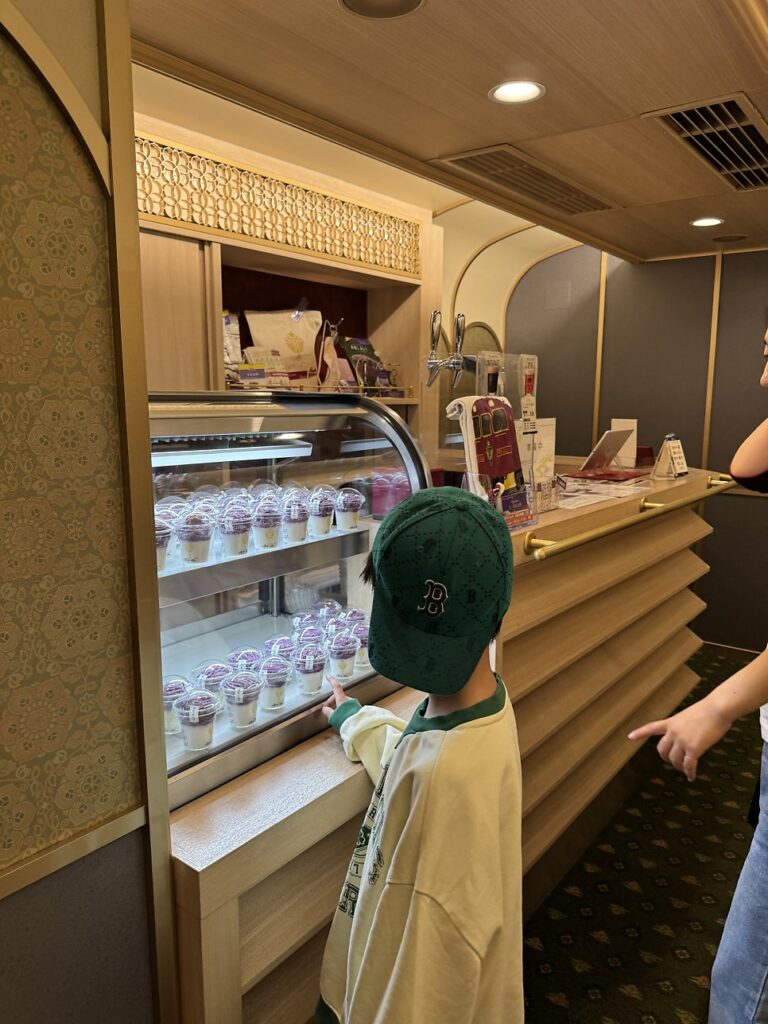
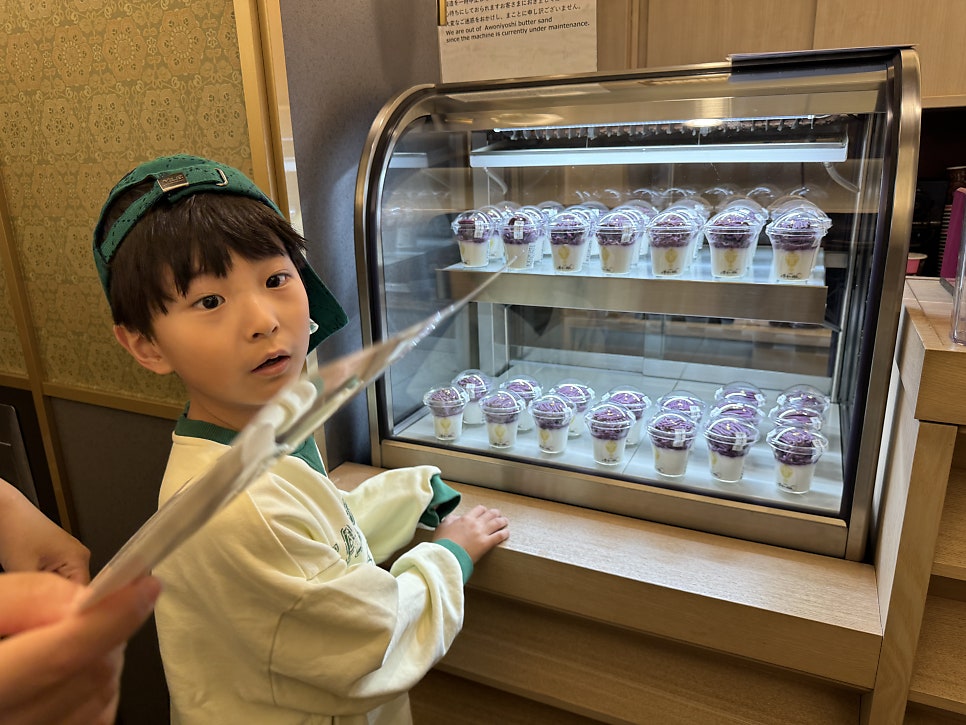
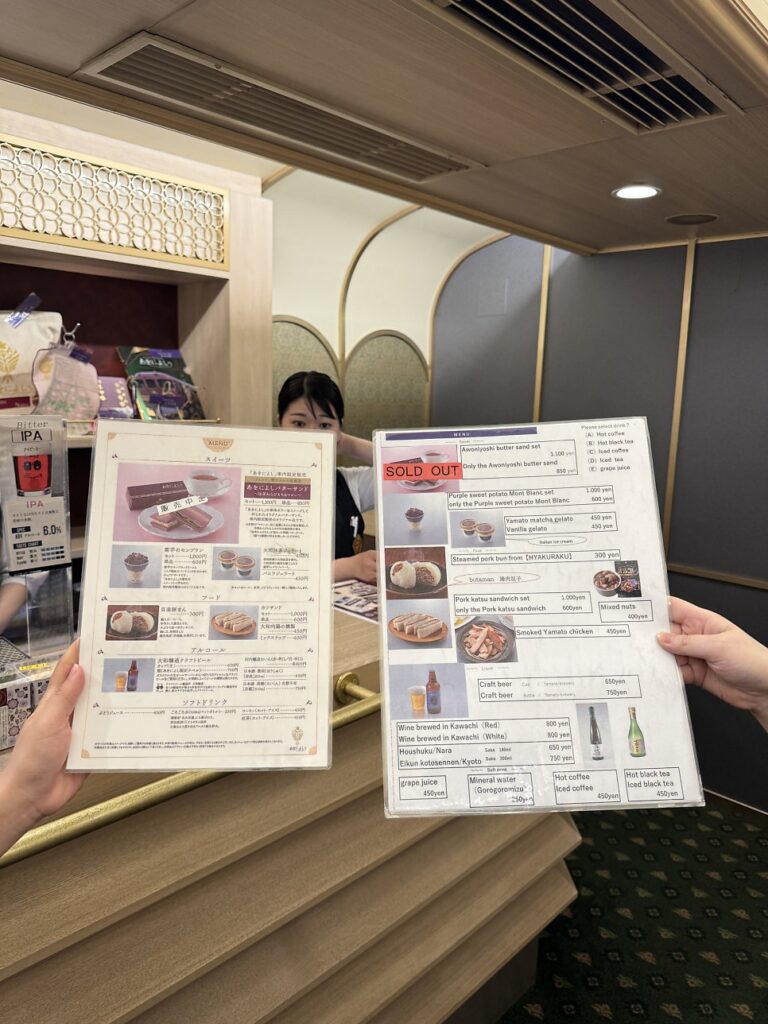
The train has a staffed cafe counter selling desserts made with Nara specialties, train-exclusive goods, drinks, snacks and bar bites.
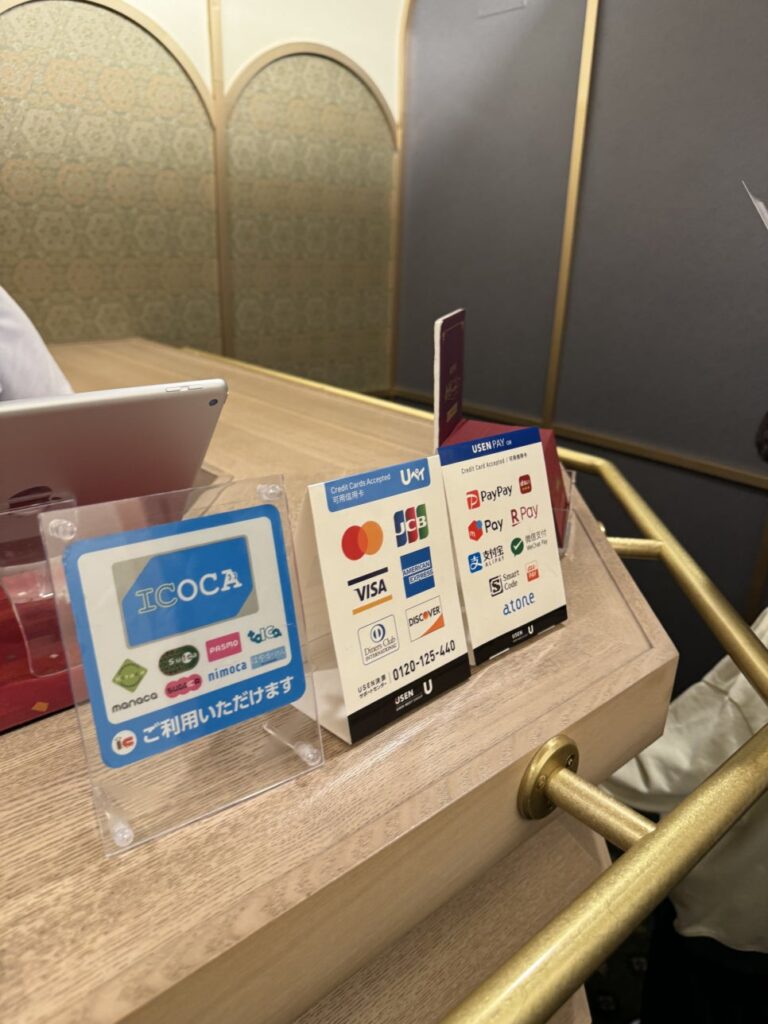
Card payment is accepted, which made things easy.
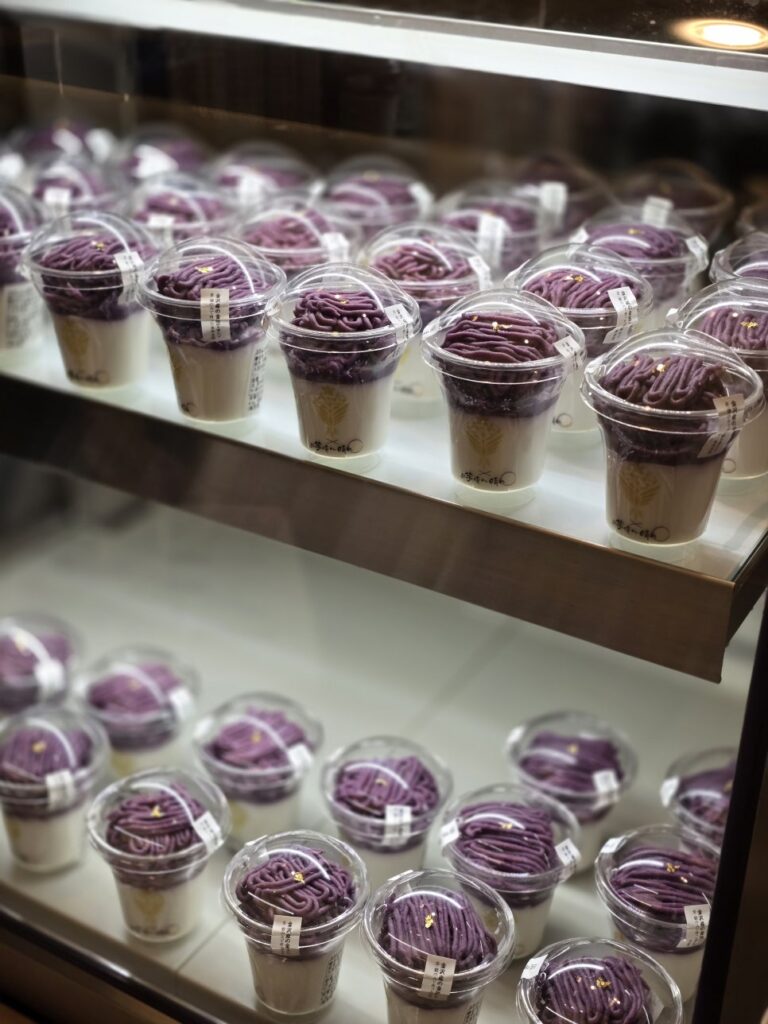
If you ride the Aoniyoshi, be sure to order the purple pudding that matches the train’s color.
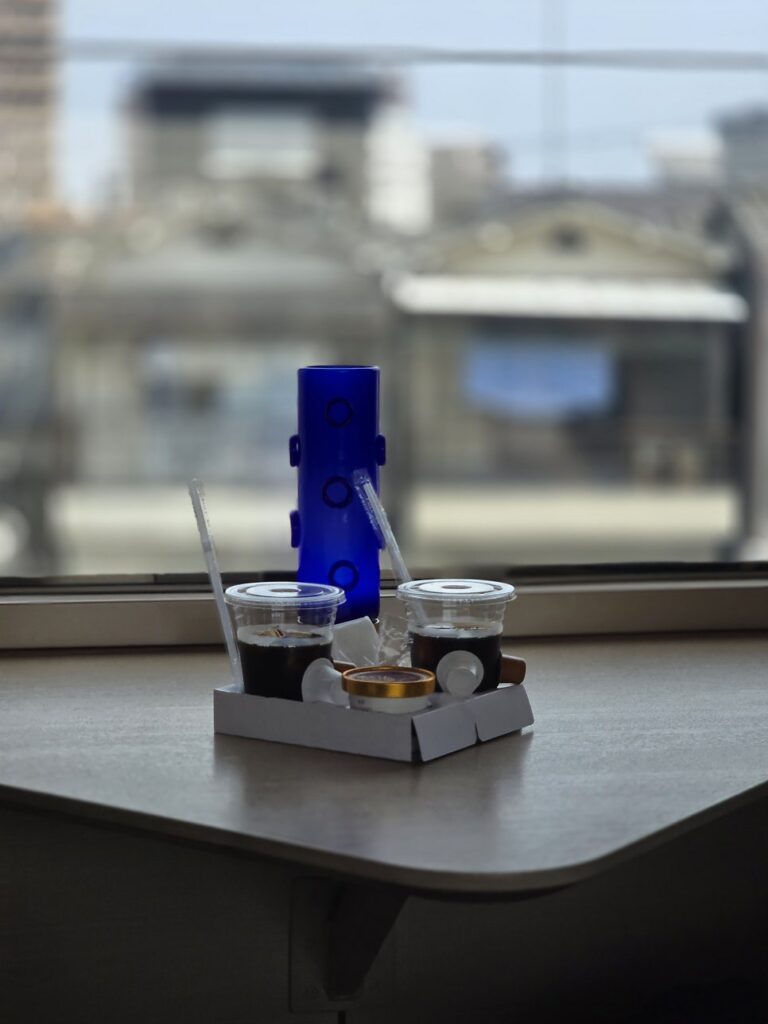
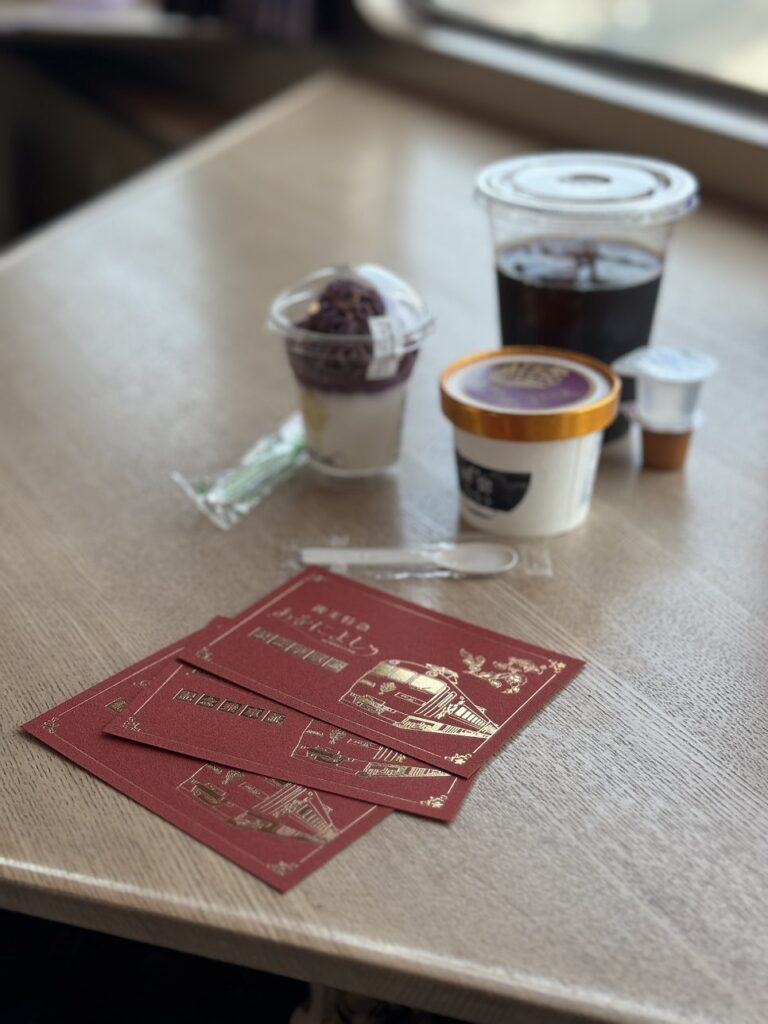
They also sell coffee and craft beer with an Aoniyoshi label, so my husband had a morning beer while I had coffee. Yans ordered vanilla ice cream and I tried the train-only pudding.
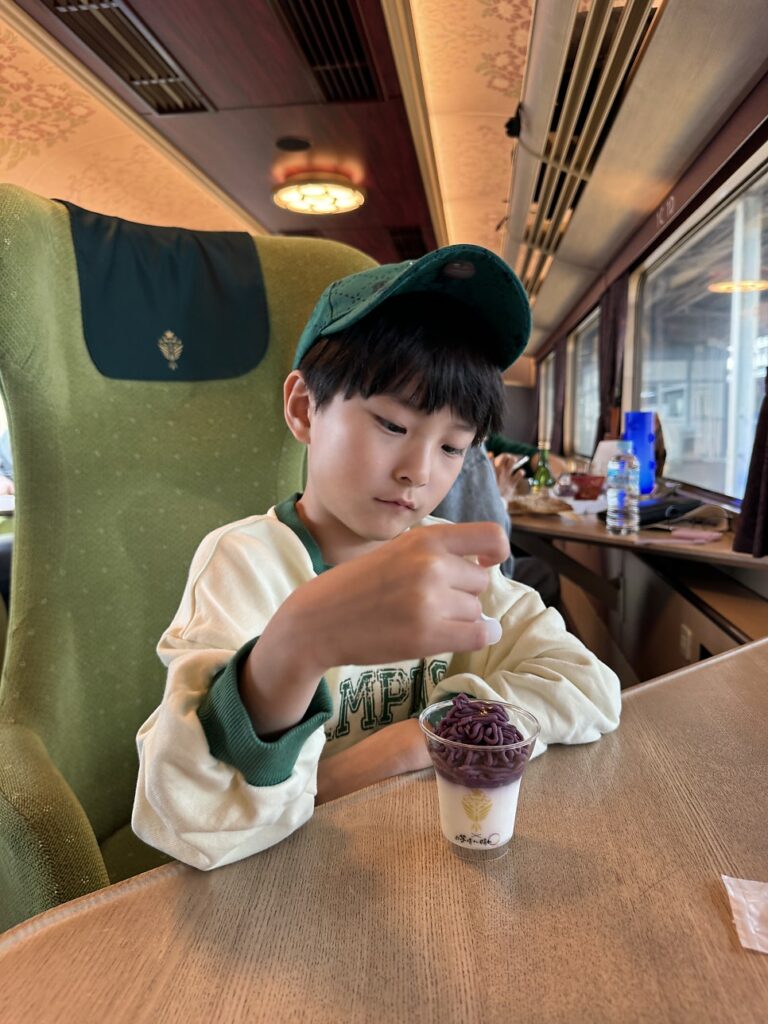
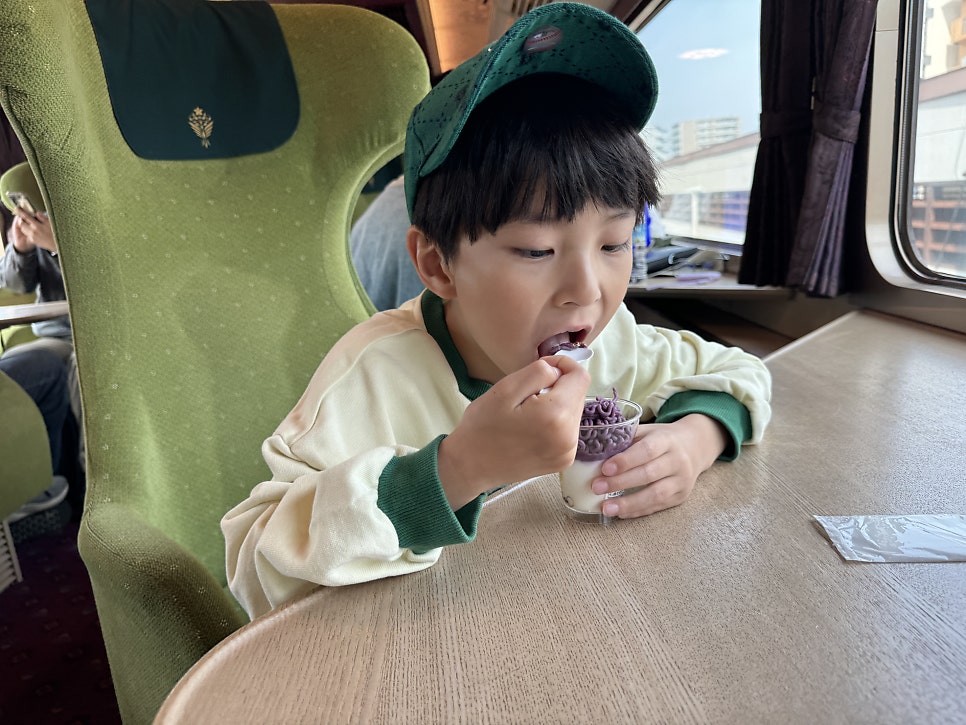
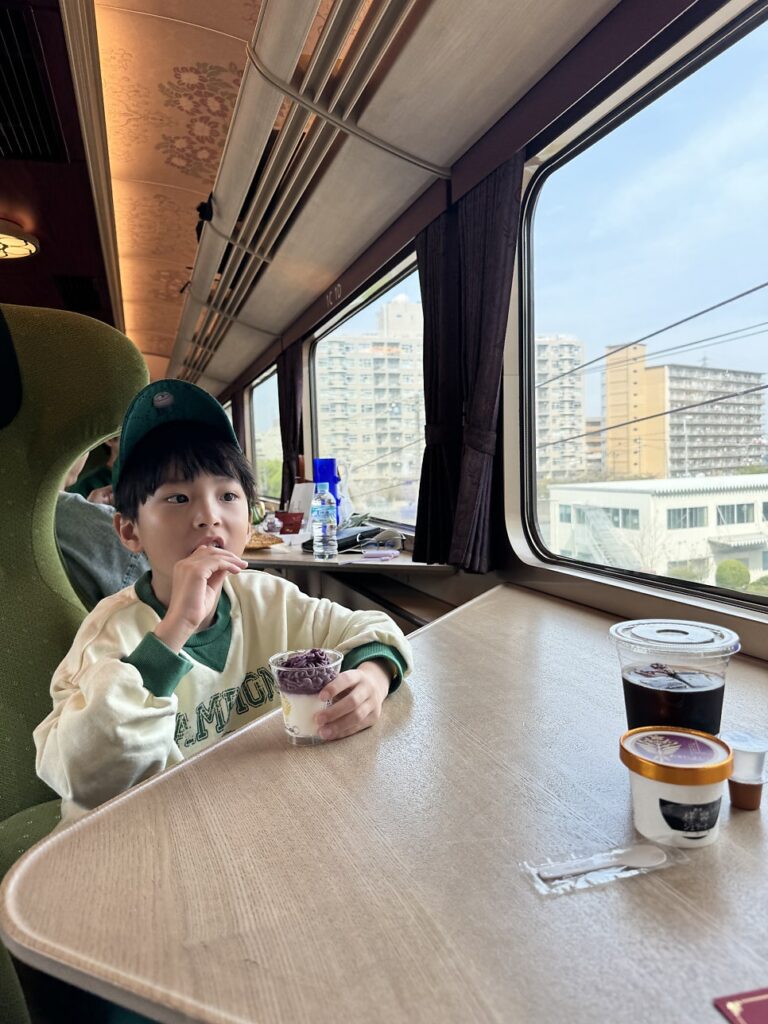
The purple cream on top tasted like sweet potato paste, known as taro in Japan. It wasn’t too sweet and was delicious.
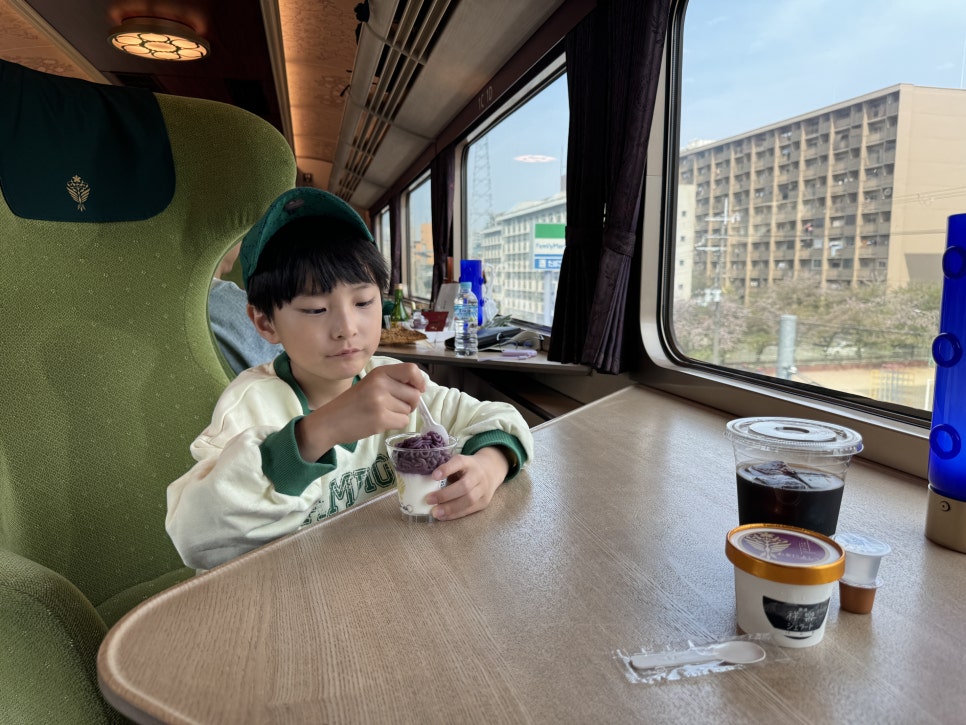
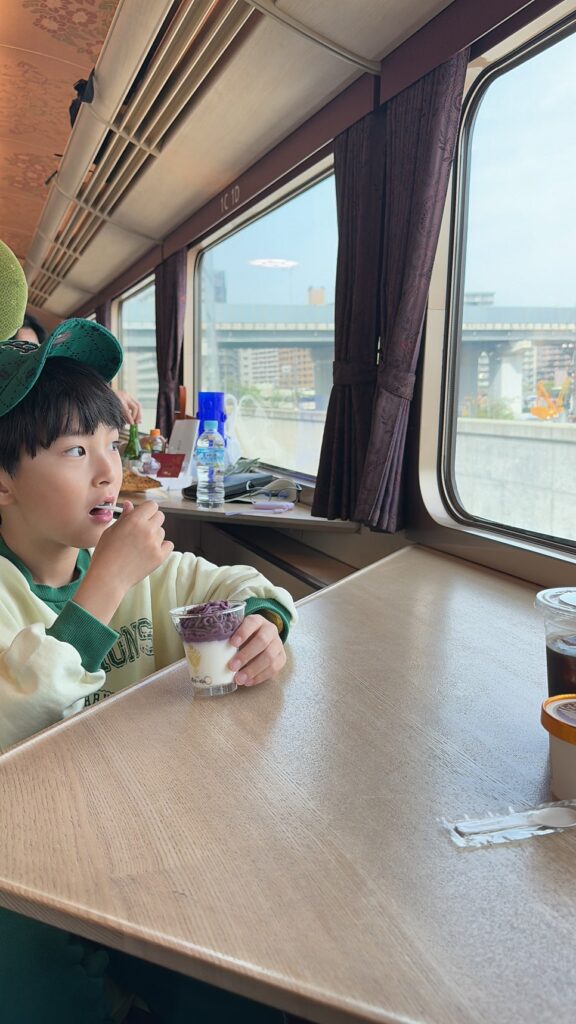
We ate while watching the scenery roll by. The windows are huge, perfect for taking in the views on the way to Nara. The train also passes the Heijo Palace site, the old imperial capital, a nice glimpse of Nara’s history and culture.
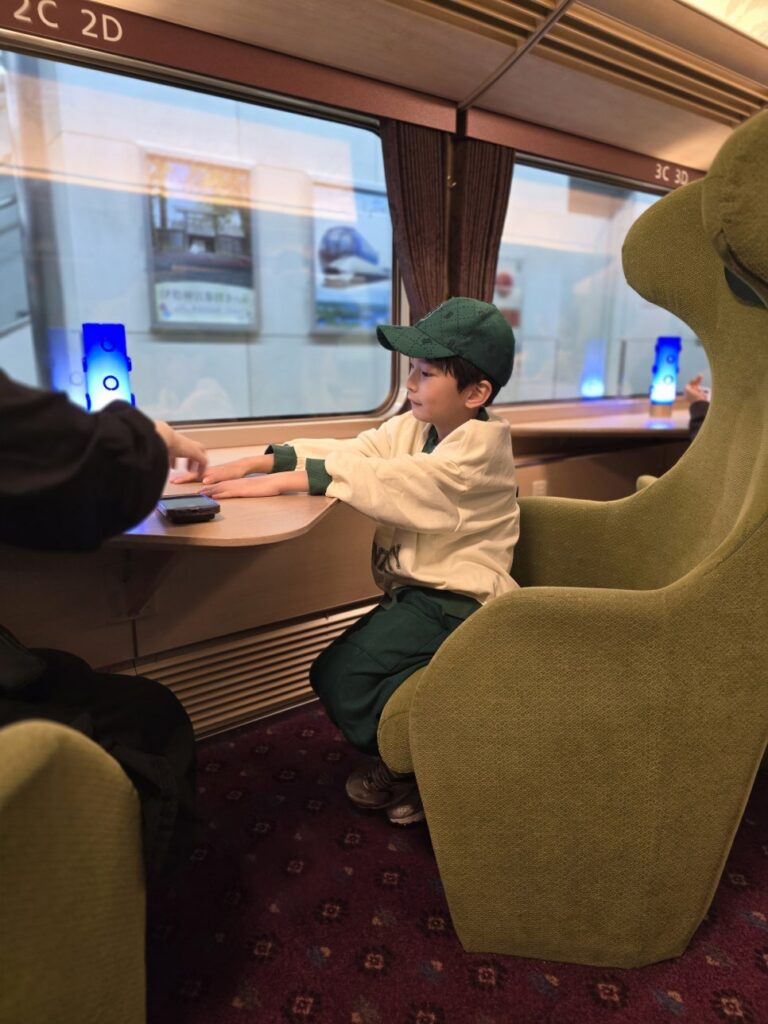
The interior is special too. The floor is carpeted and the ceiling features a unique pattern used in the Nara capital 1,300 years ago.
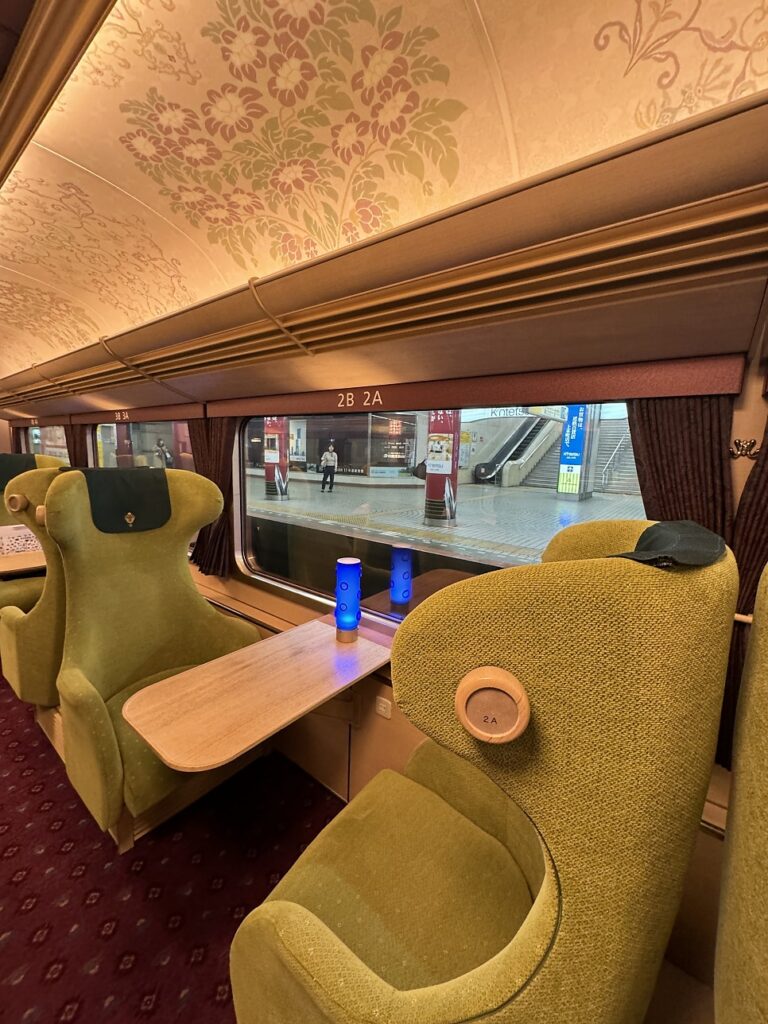
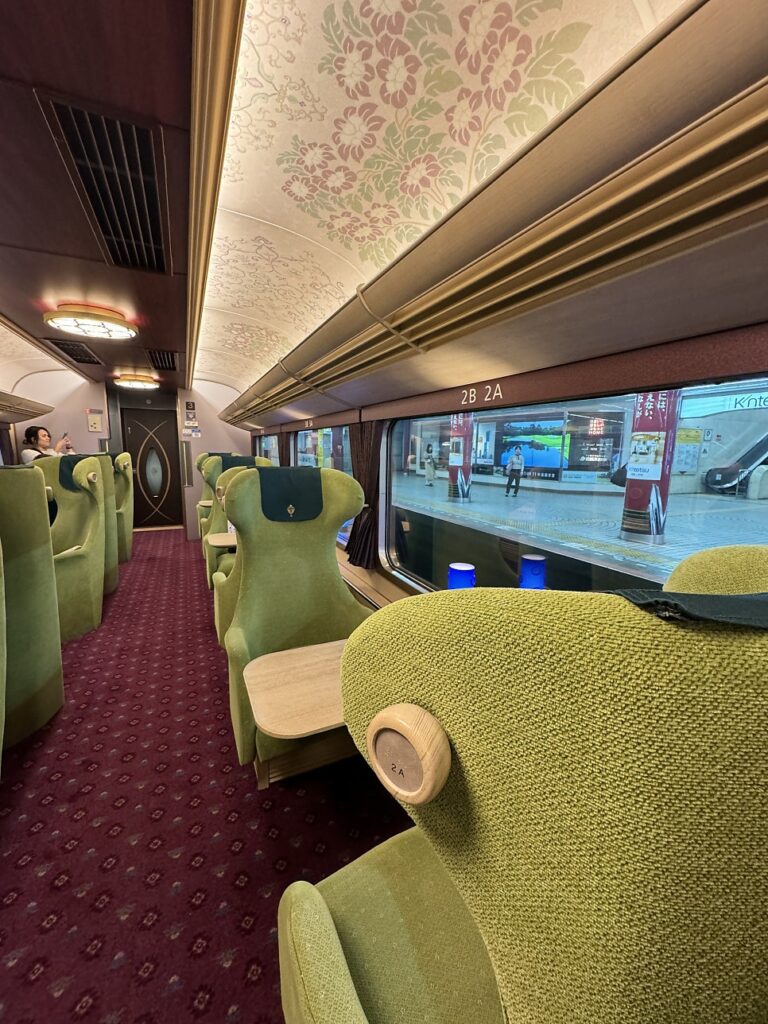
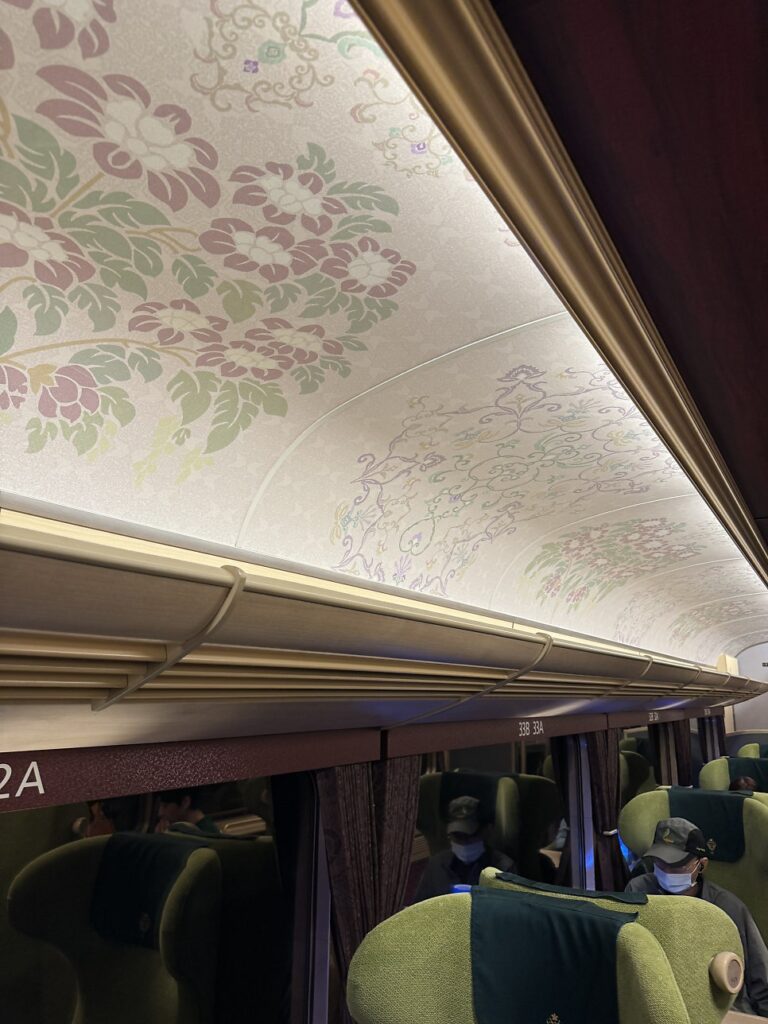
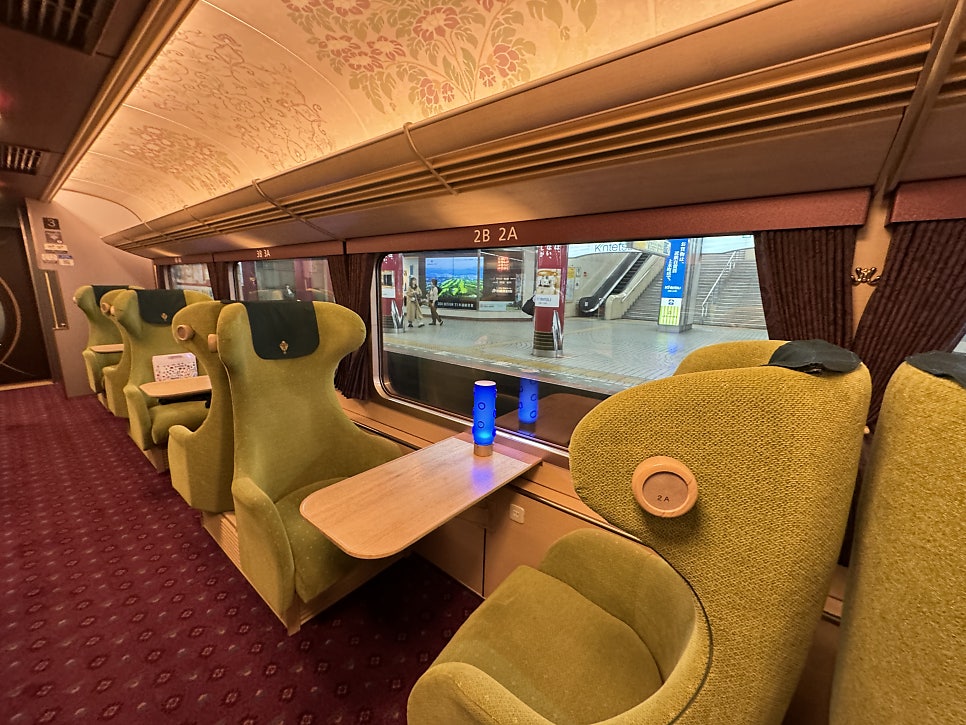
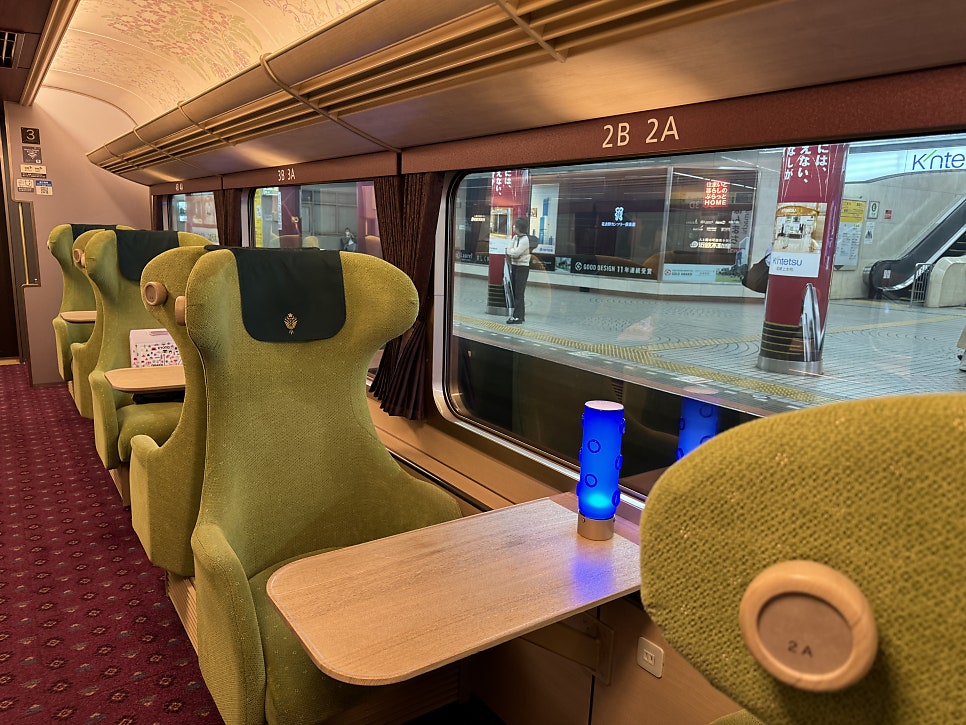
The train is designed to express Nara’s beauty and elegance, and the ride was relaxing the whole way. Yans said it was the most memorable train of our Osaka trip. We reached Nara in about 40 minutes.
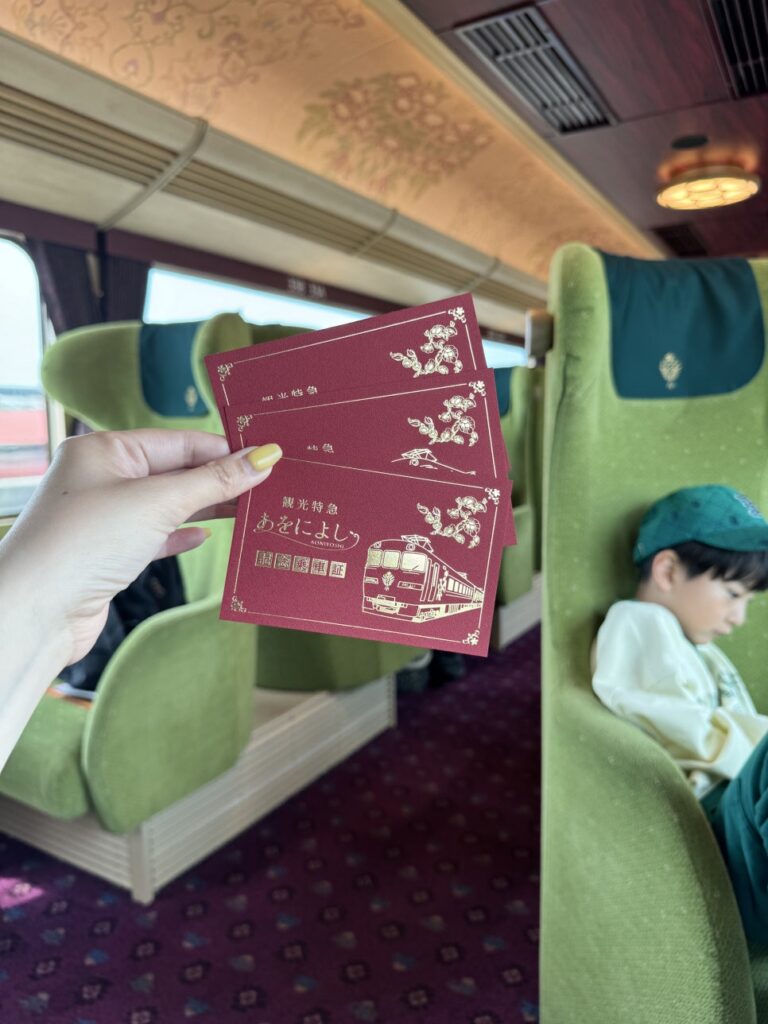
If you’re using the Kintetsu Rail Pass, ride the Aoniyoshi at least once. As of 2024, the Aoniyoshi surcharge from Namba to Kyoto was 1,000 yen for adults and 500 yen for children.
2. Nara Itinerary
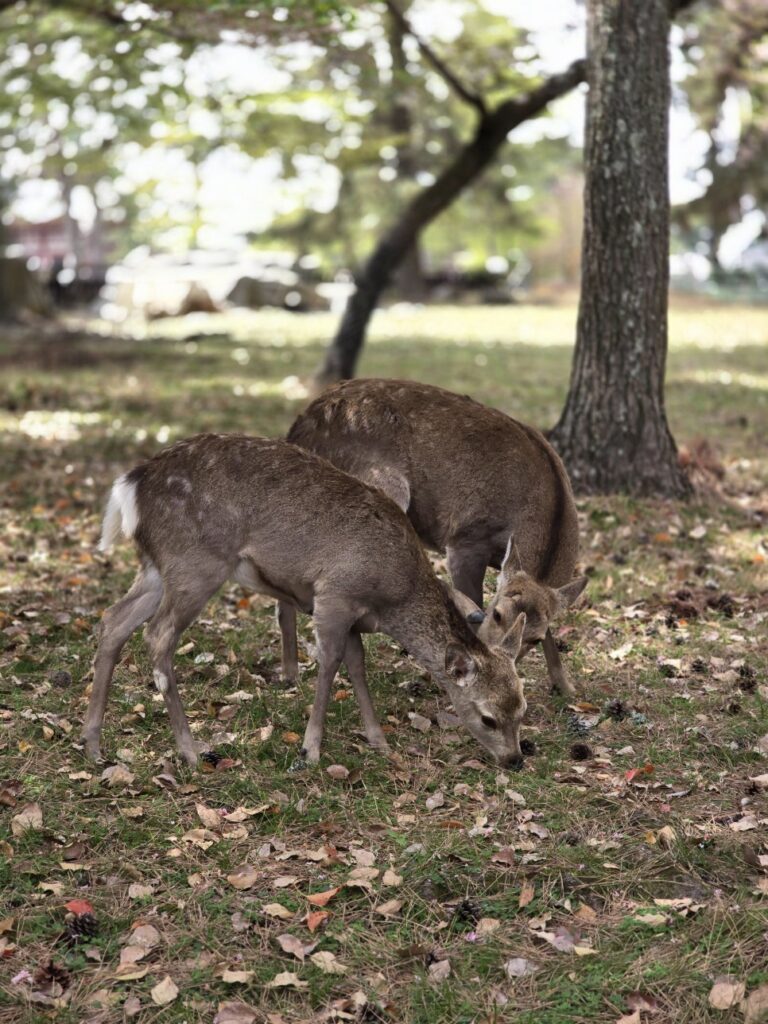
Nara welcomed us with deer souvenirs and deer sculptures, the city’s mascot.
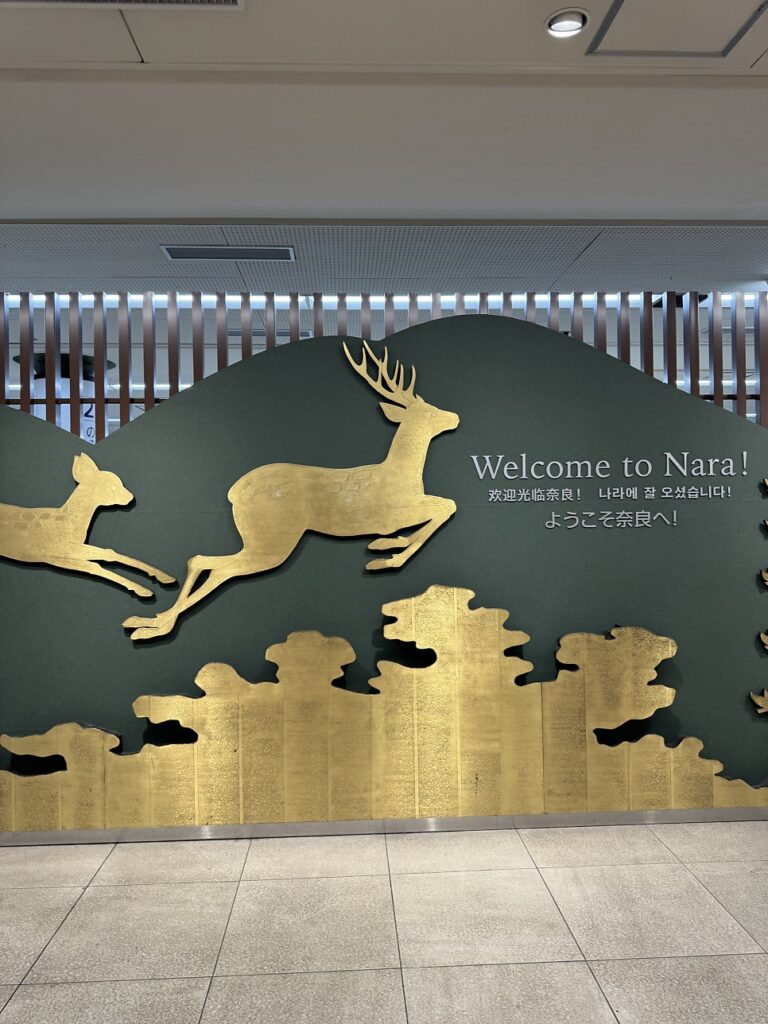
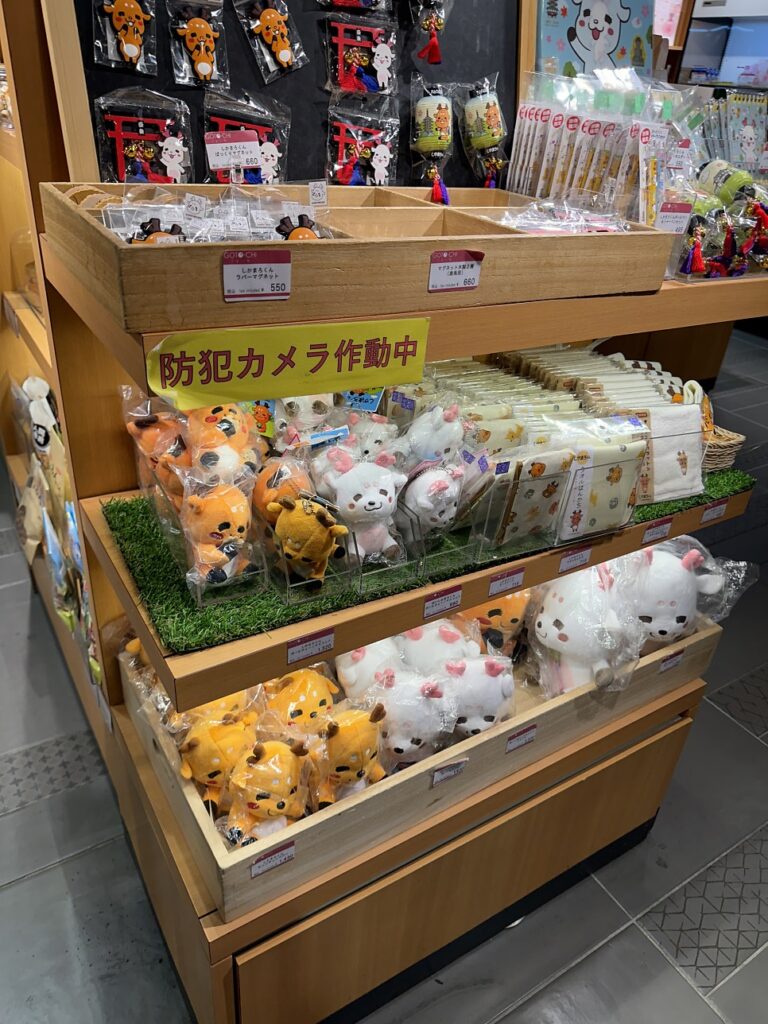
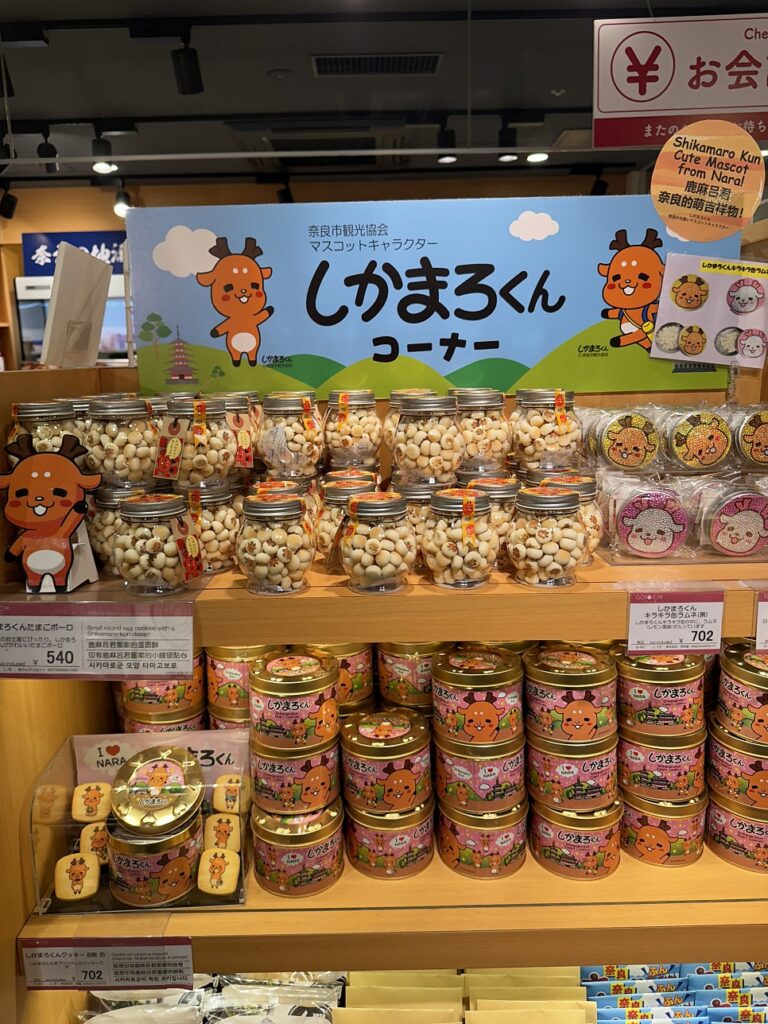
Nara was our first stop on the Kintetsu Rail Pass. The 1-day pass reaches Osaka Namba, Nara and Kyoto; the 2-day pass adds Tennoji and Yoshino; and the 5-day and 5-day Plus passes cover the wider Kintetsu network, including Nagoya, Mie and Ise-Shima. Nara is about 40 minutes from Osaka, Kyoto about an hour and Nagoya about two hours, so next time I’d love to go as far as Nagoya. Each pass differs in area, days and price, so choose one that fits your itinerary.
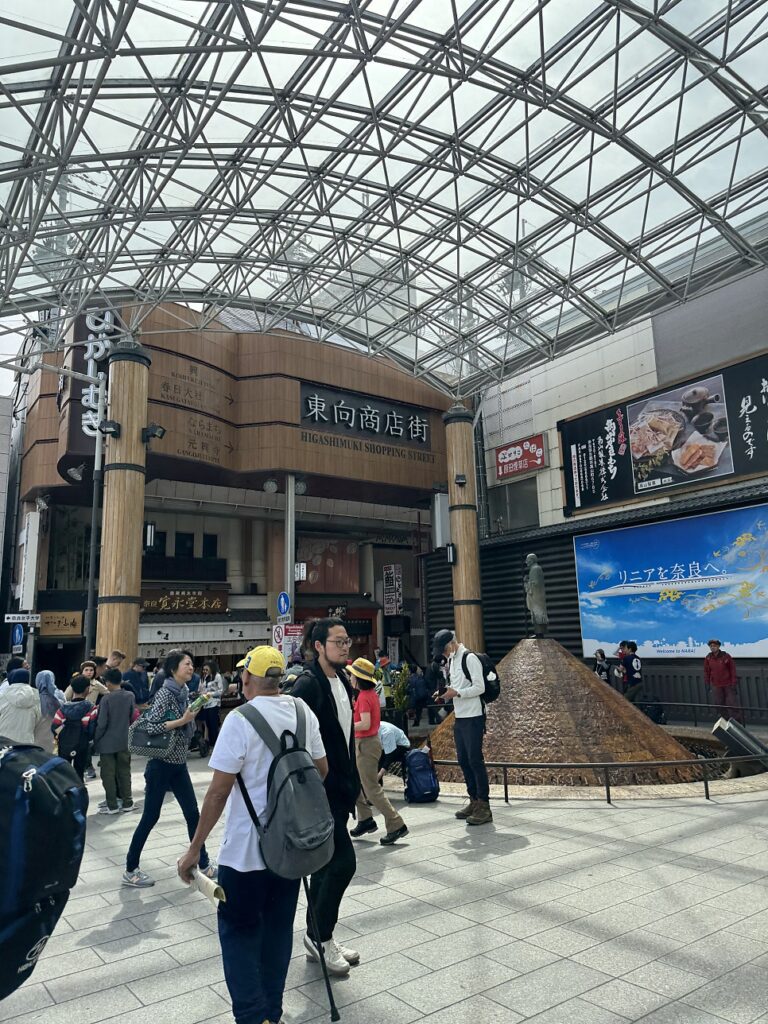
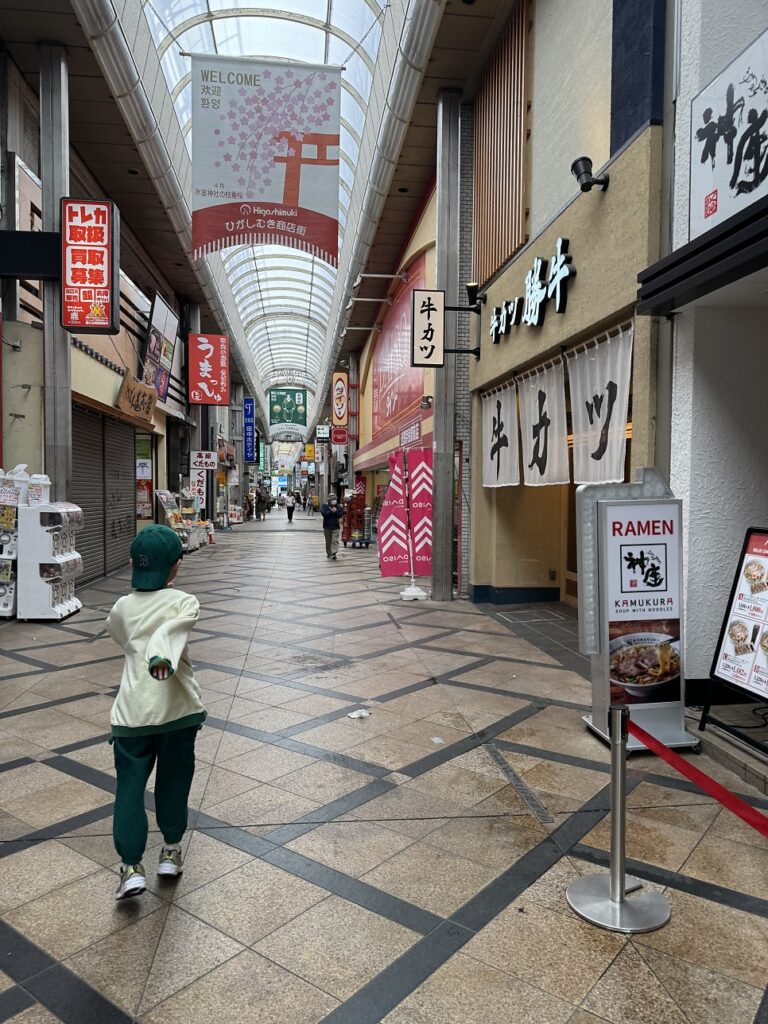
Right outside Nara Station is a shopping arcade. We headed to the dango shop Yans had most wanted to try on this trip.
Manshodo, a Dango Shop in Nara
- Hours: 10 a.m. to 6 p.m.
This is a dango spot I had looked up back in Korea.
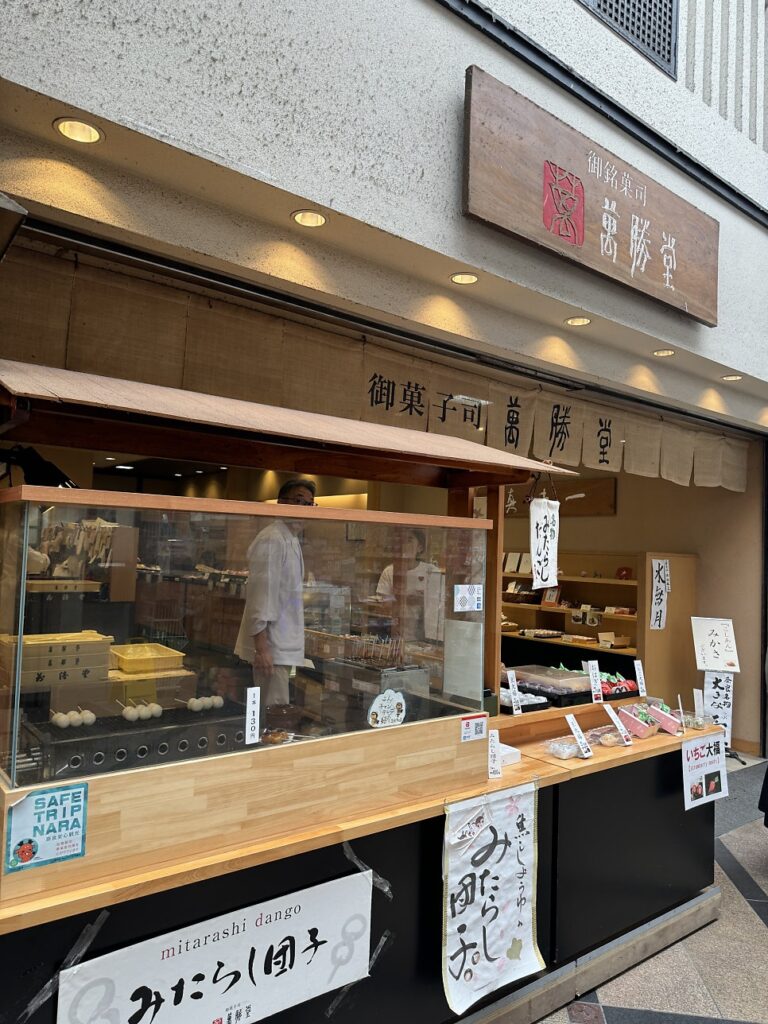
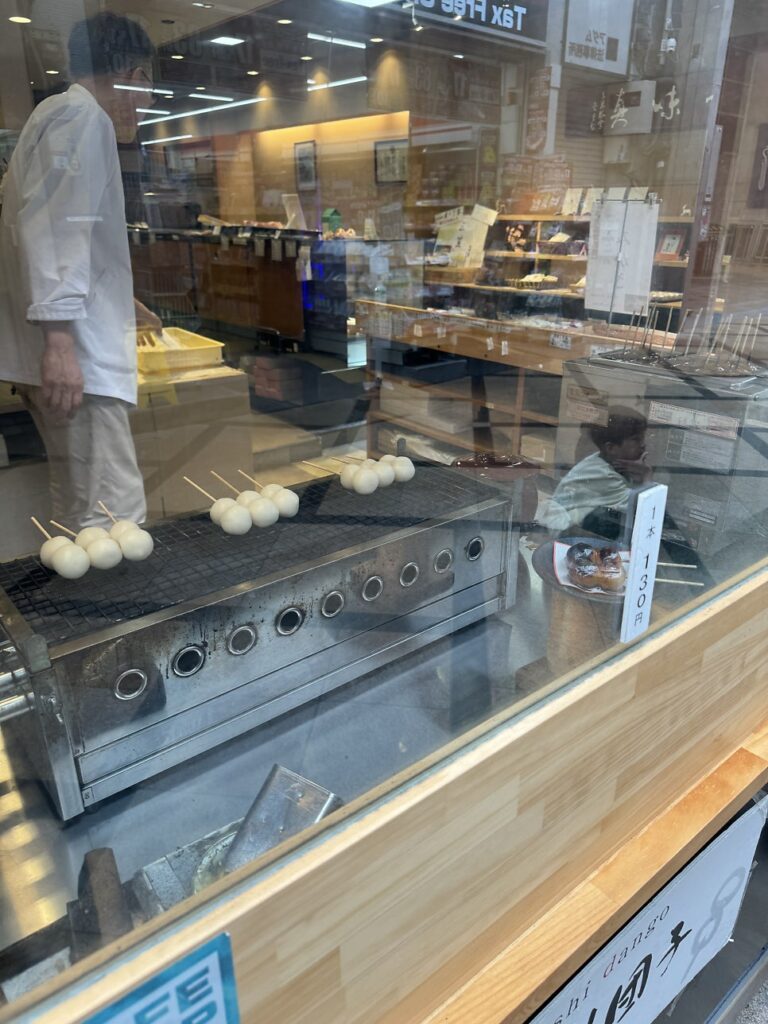
Yans had only ever had convenience-store dango, so a shop that grills them and brushes on sauce had him excited.
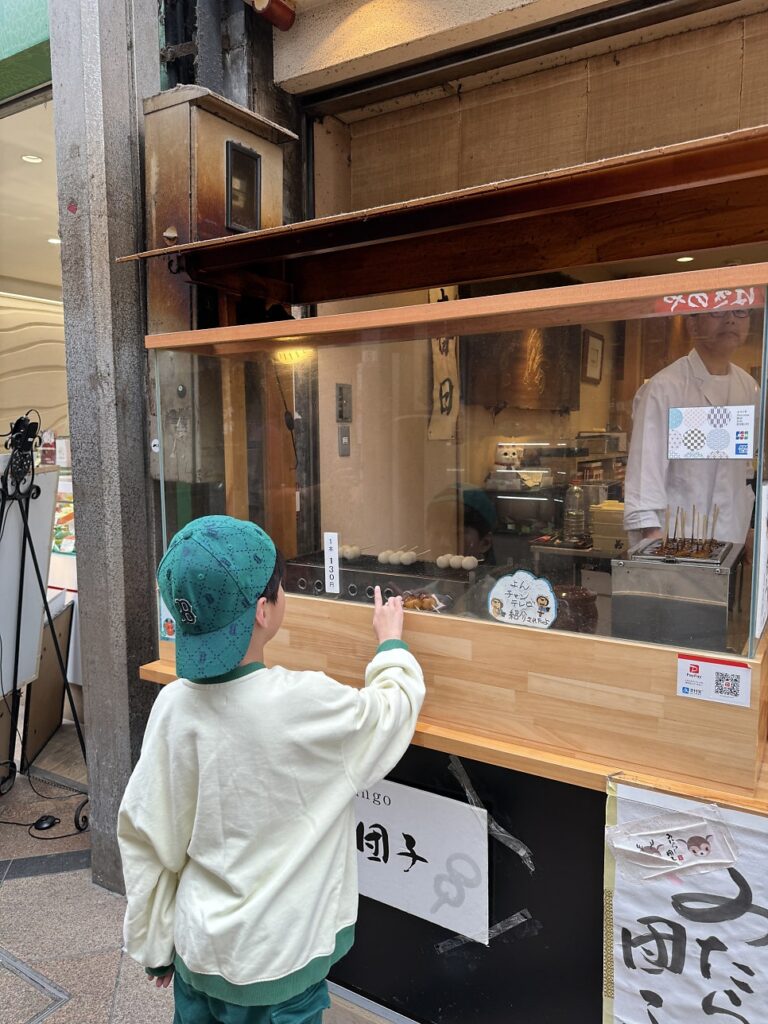
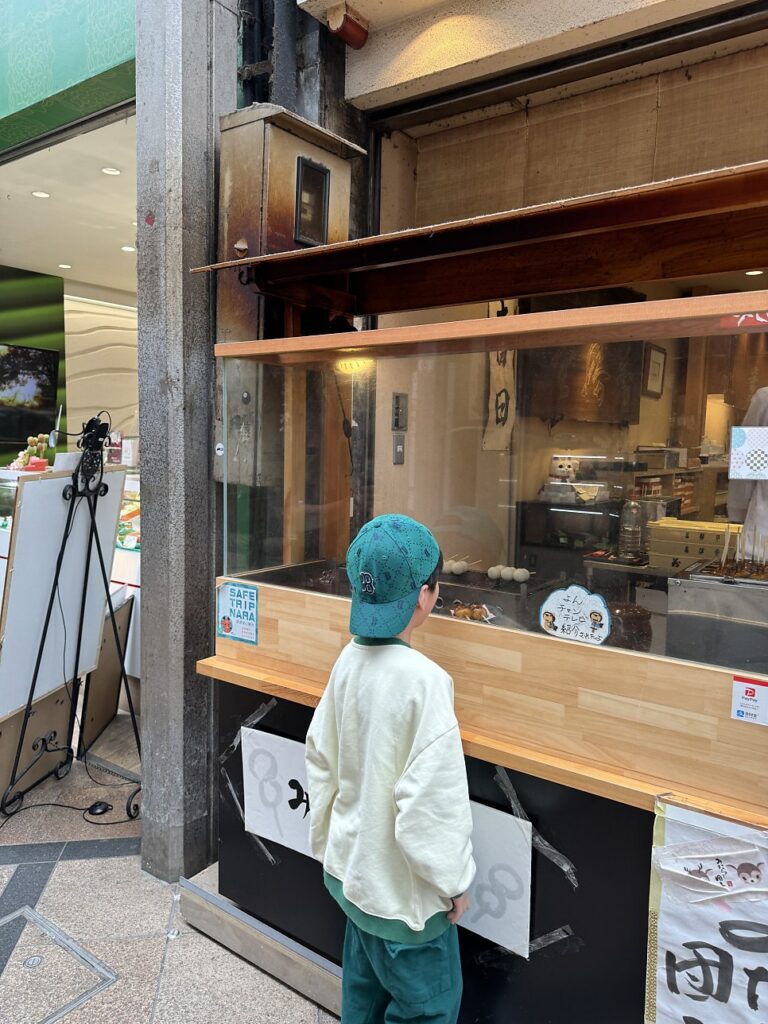
Japanese people really love rice cakes. Both places we visited in Nara were famous rice cake shops, and Manshodo is one of them.
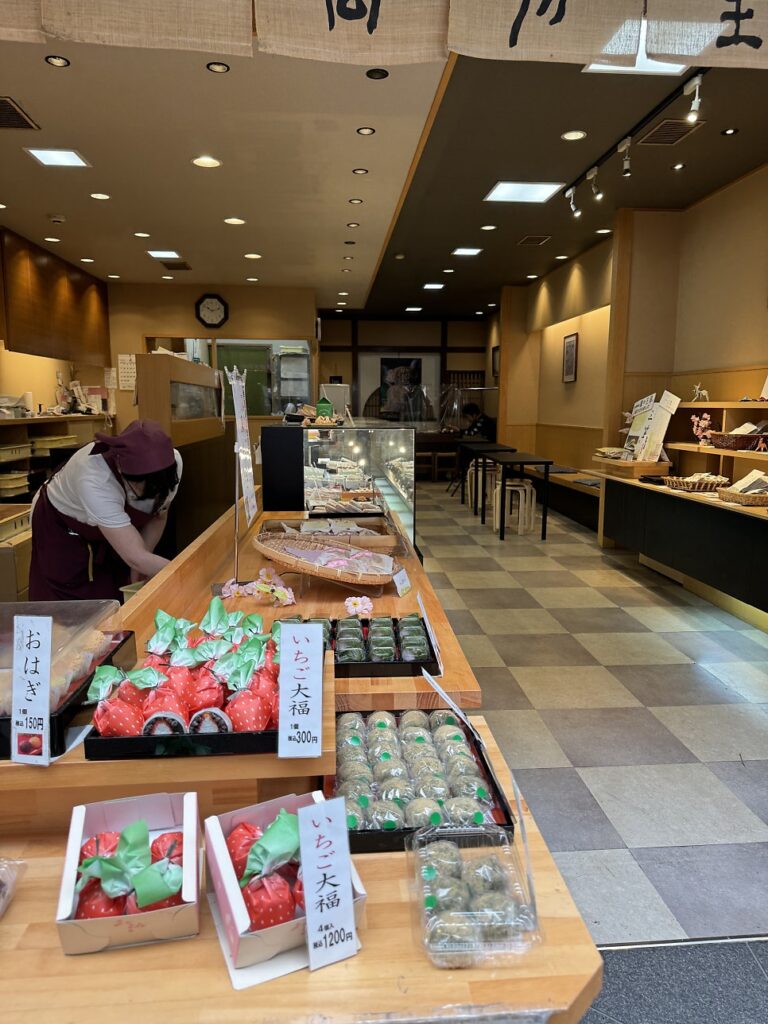
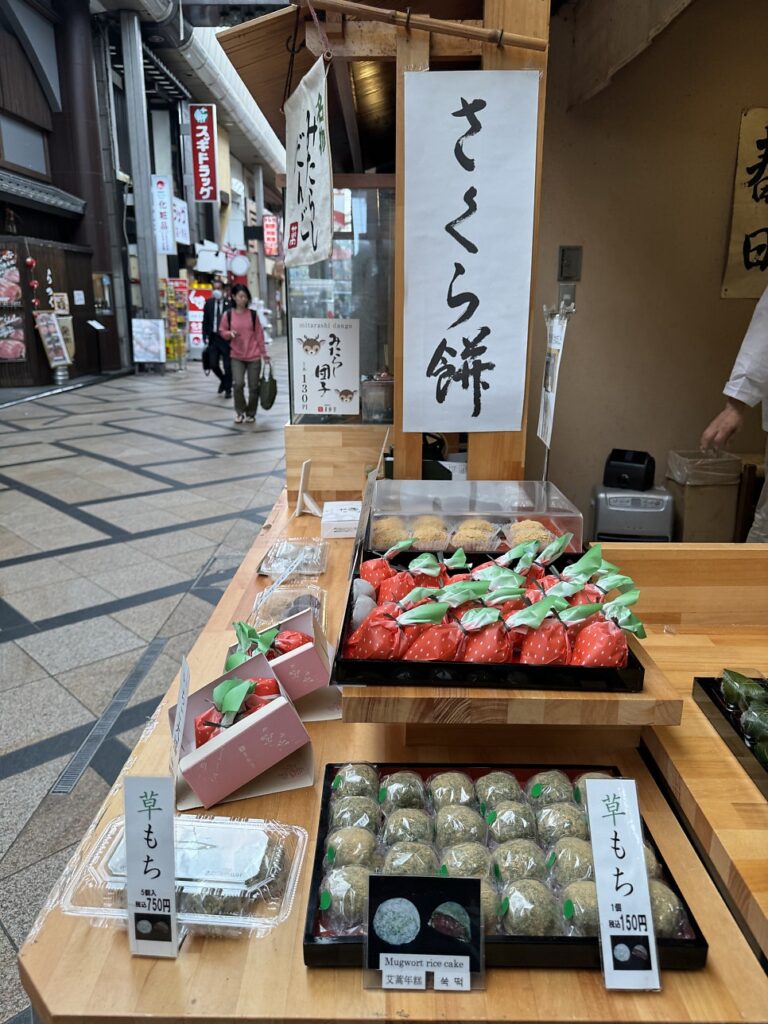
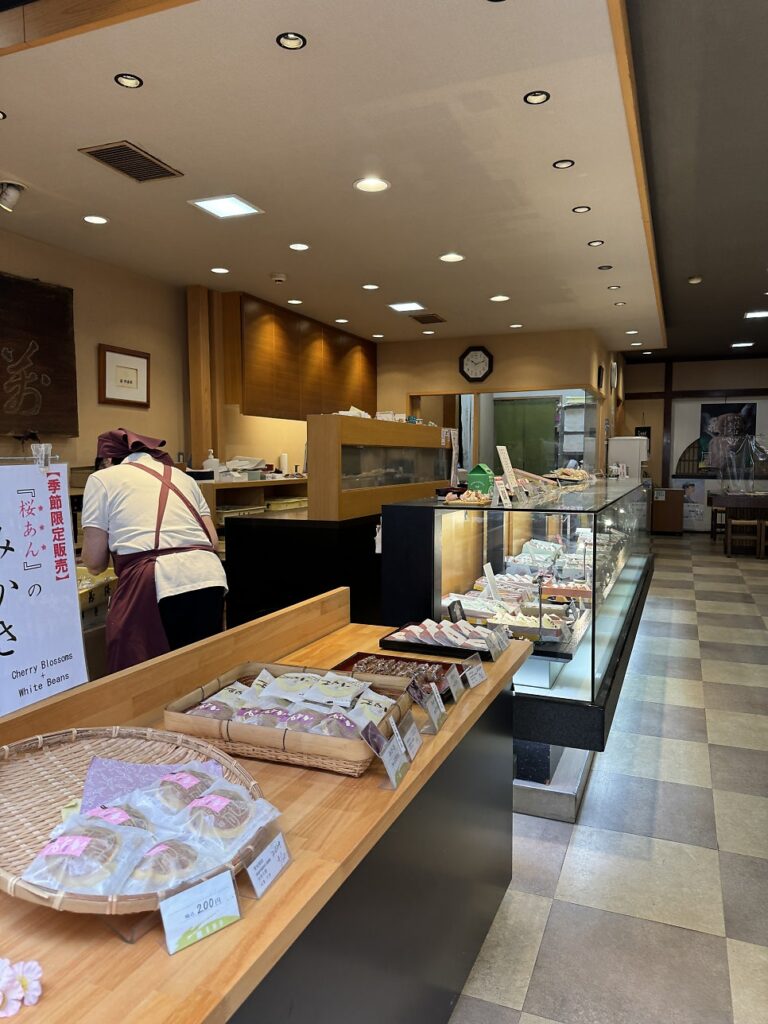
Besides dango, Manshodo sells a variety of rice cakes.
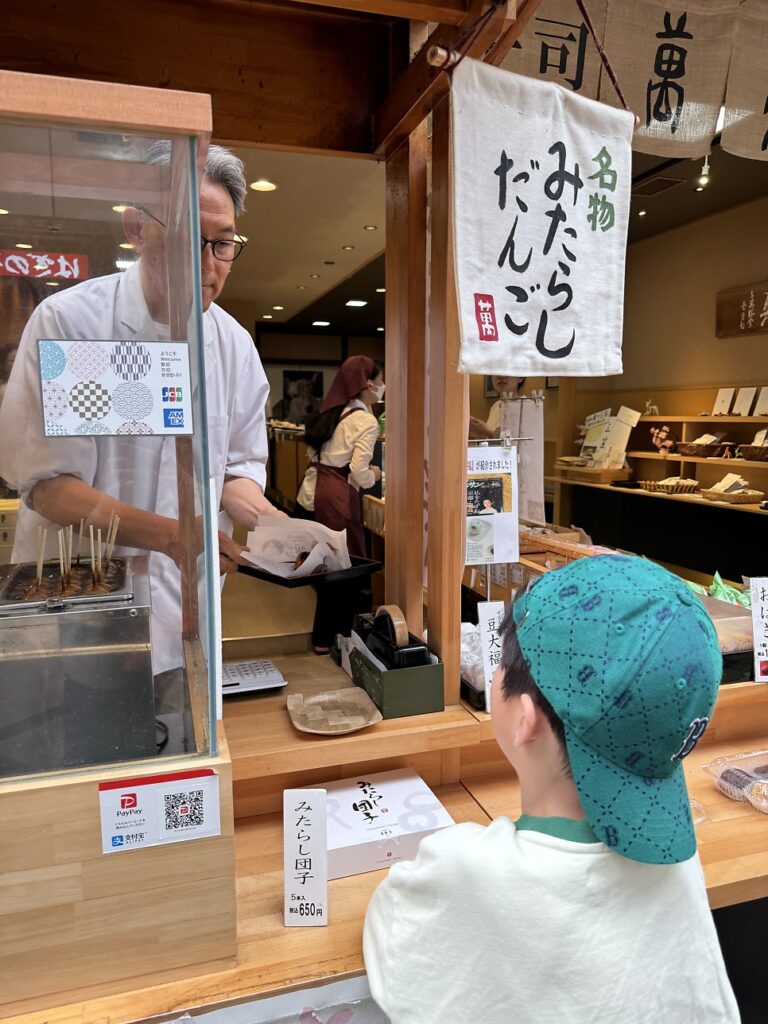
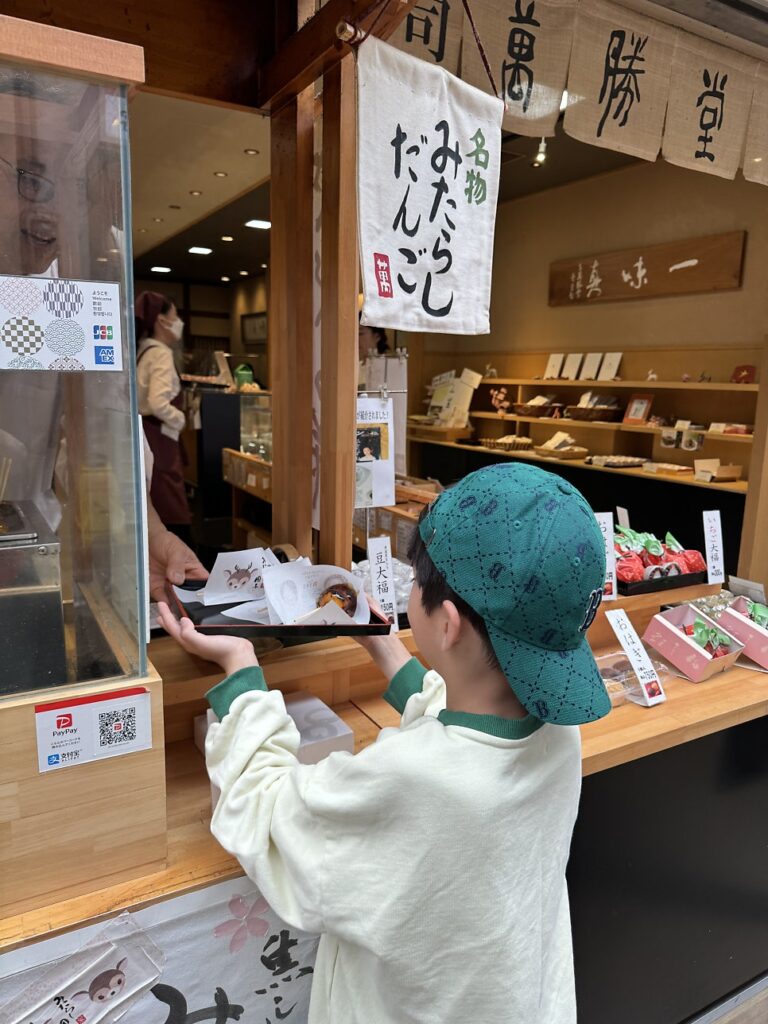
They grill rice dumplings over charcoal and top them with a Japanese syrup sauce. As of 2024, each skewer was 130 yen, and we ordered three.
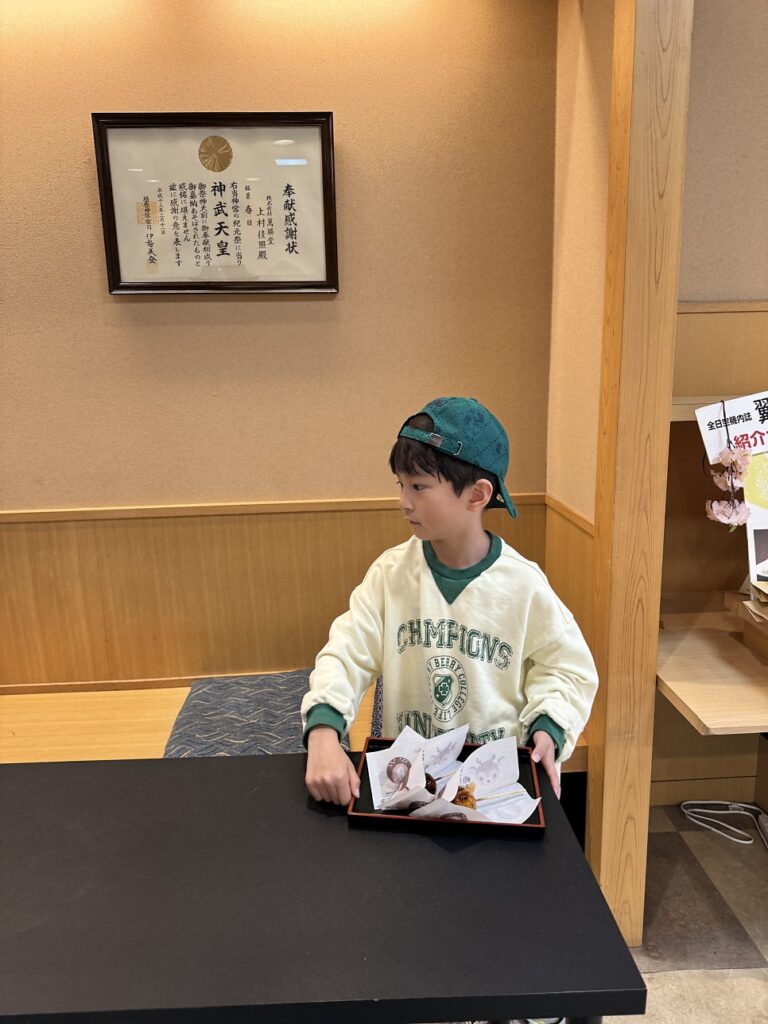
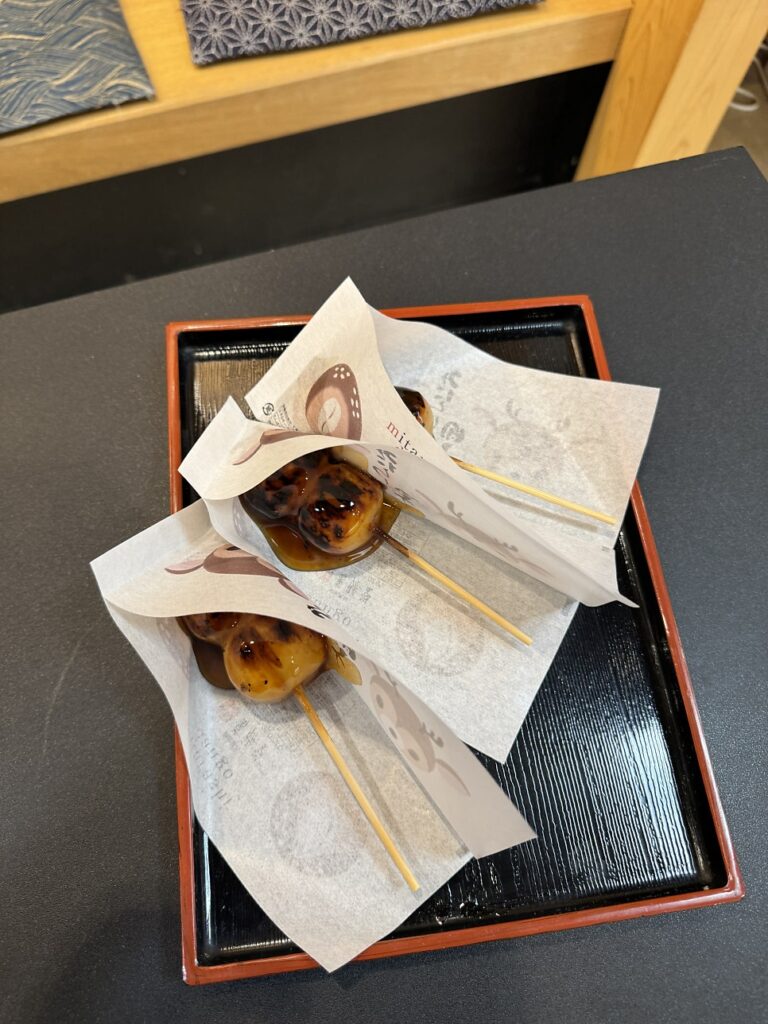
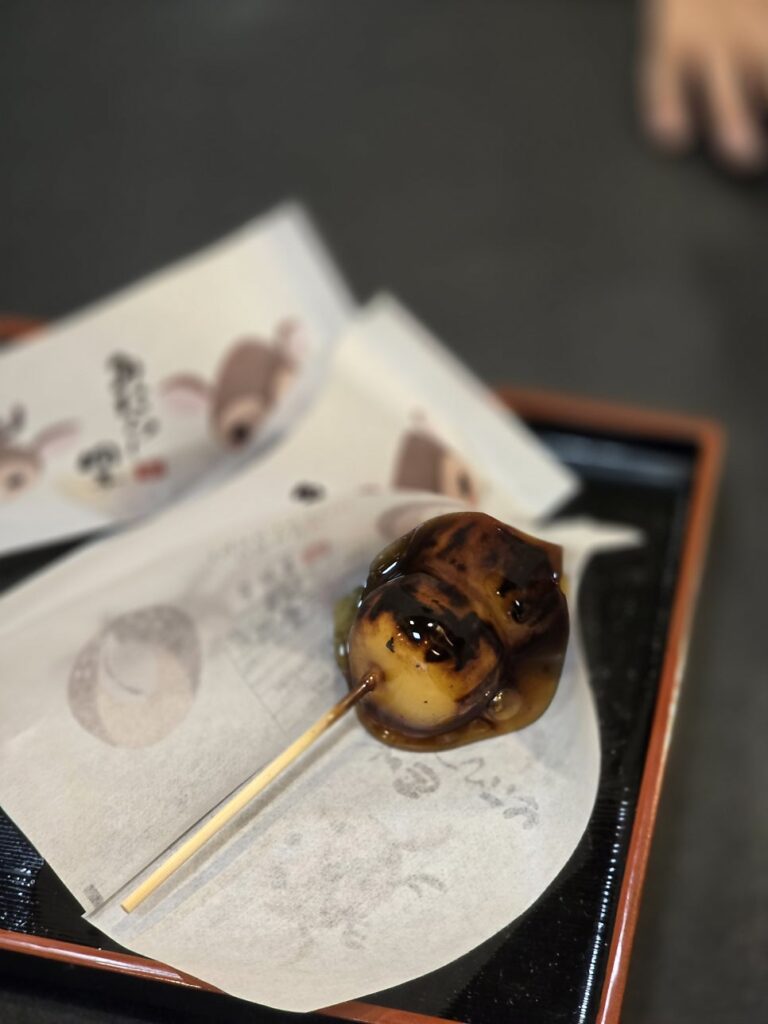
We ate inside so we wouldn’t drip the syrup, and the shop was clean and spacious.
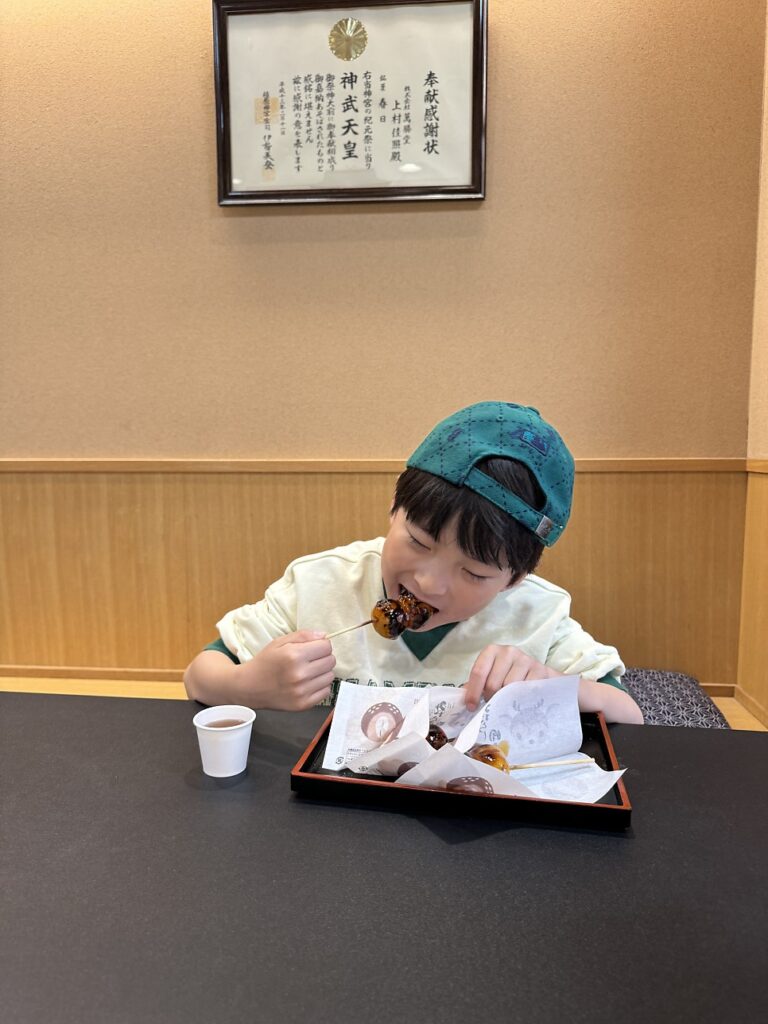
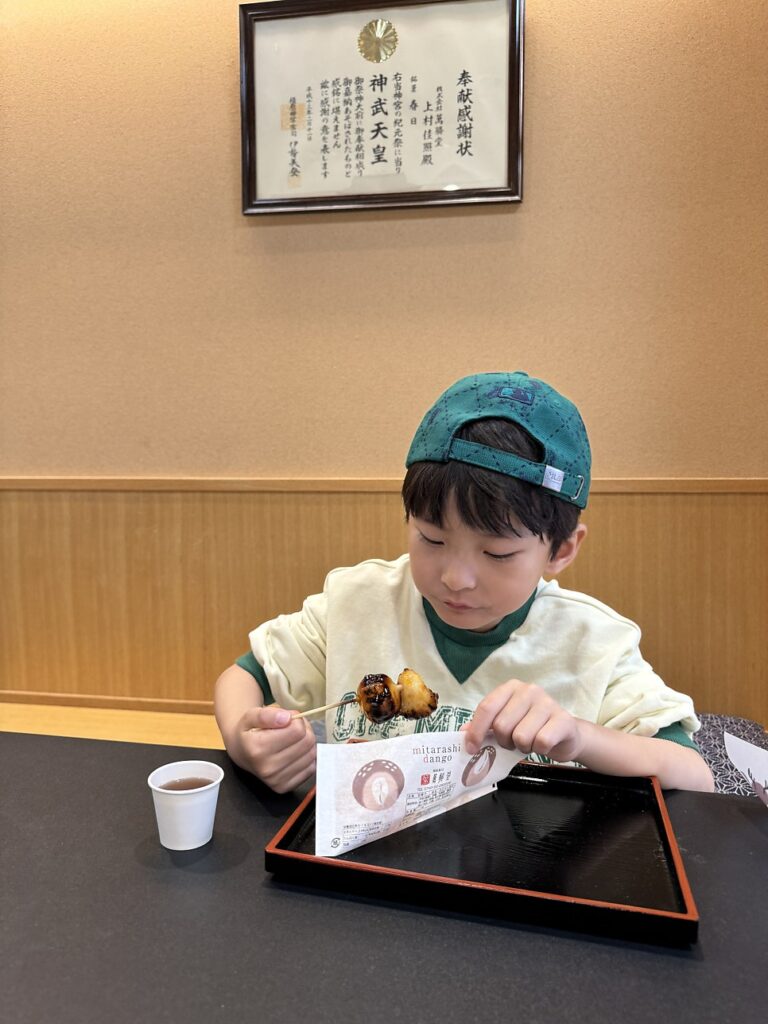

Yans gave it a big thumbs-up. There’s free green tea inside too. The syrup wasn’t too sweet and the dango were chewy and delicious. When I told the owner they were nothing like convenience-store dango, he laughed and said that would be a disaster.
Nara Deer Park
This is Nara’s most famous deer park. I’ve been to Osaka many times, but this was my first visit to Nara Park, and I’d give it five stars.
The park is a straight walk up from Nara Station, and we were surprised to see deer on the street before we even reached it.
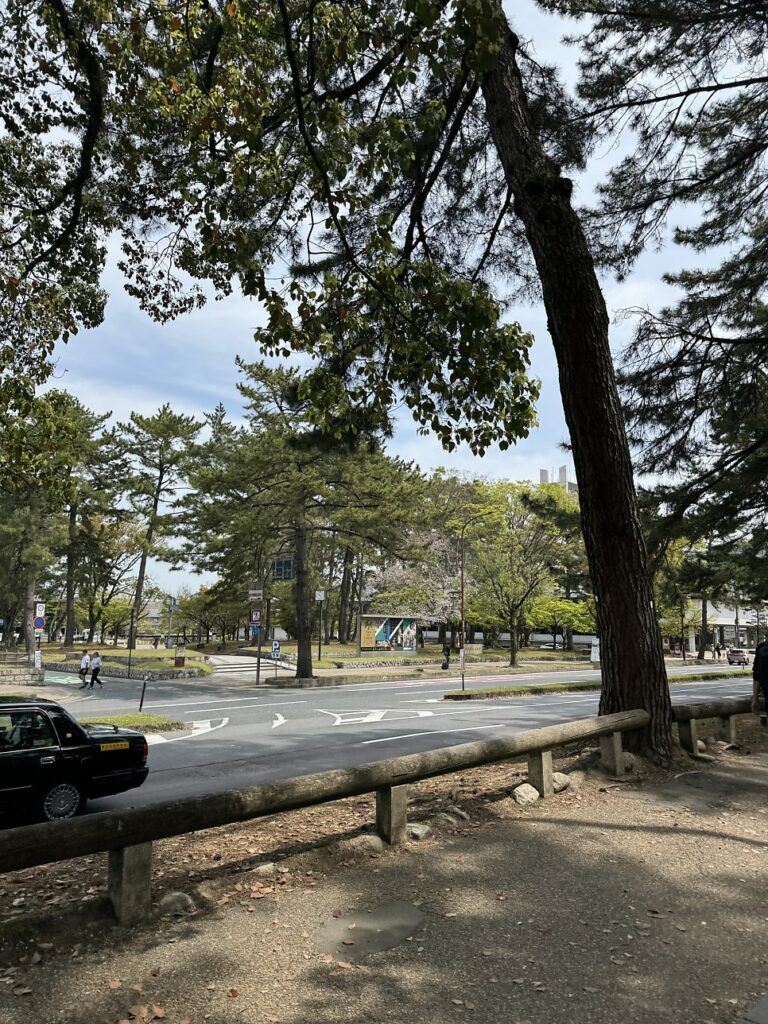
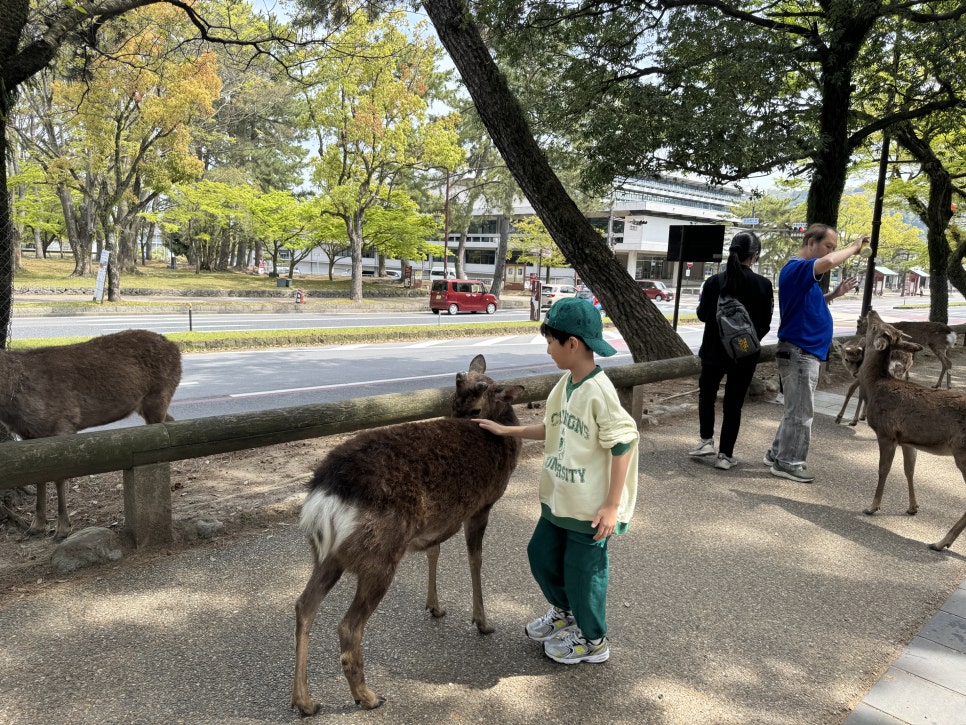
Deer even wander onto the road, which worried me, but they usually avoid crossing and drivers slow down for them.
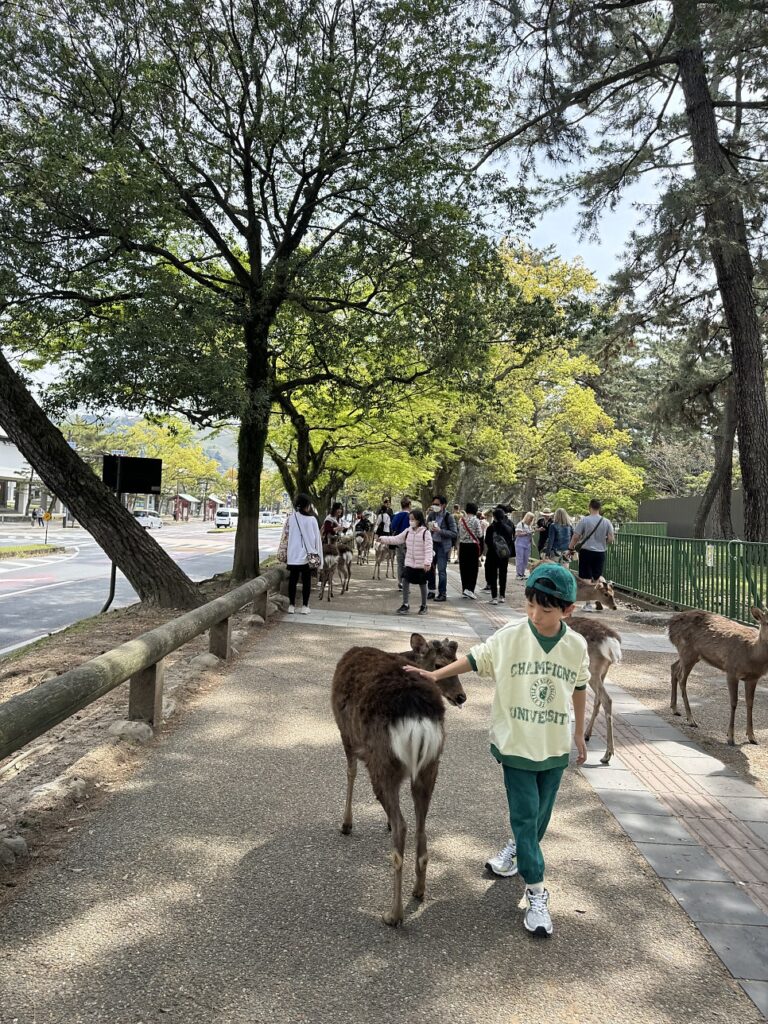
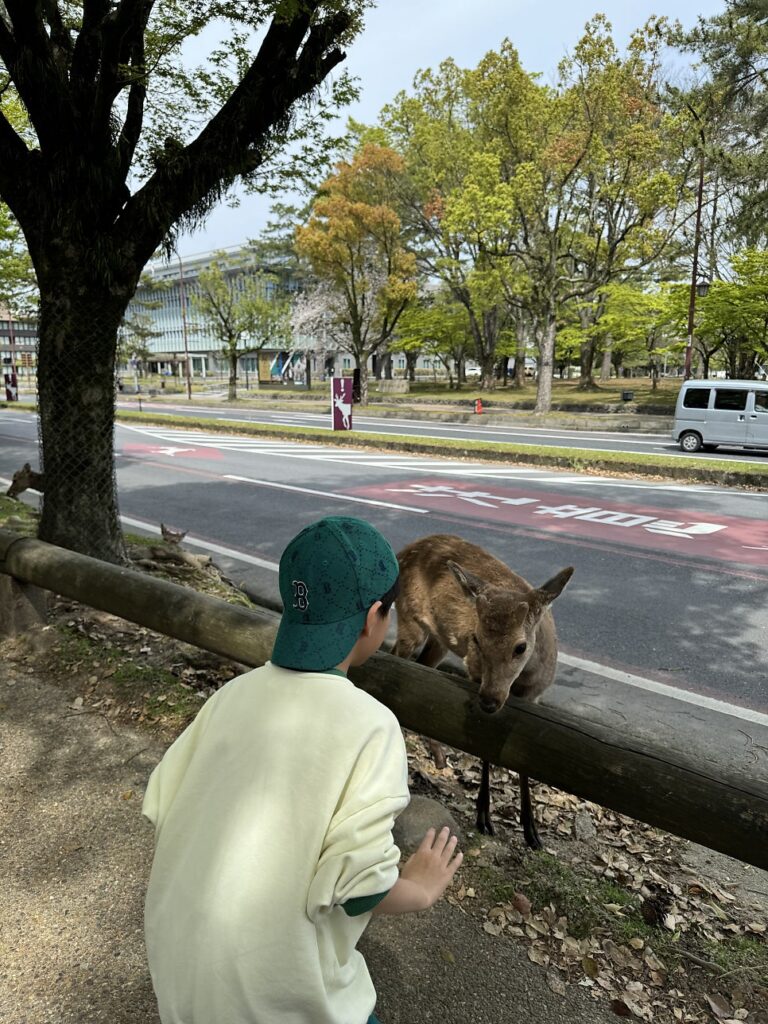
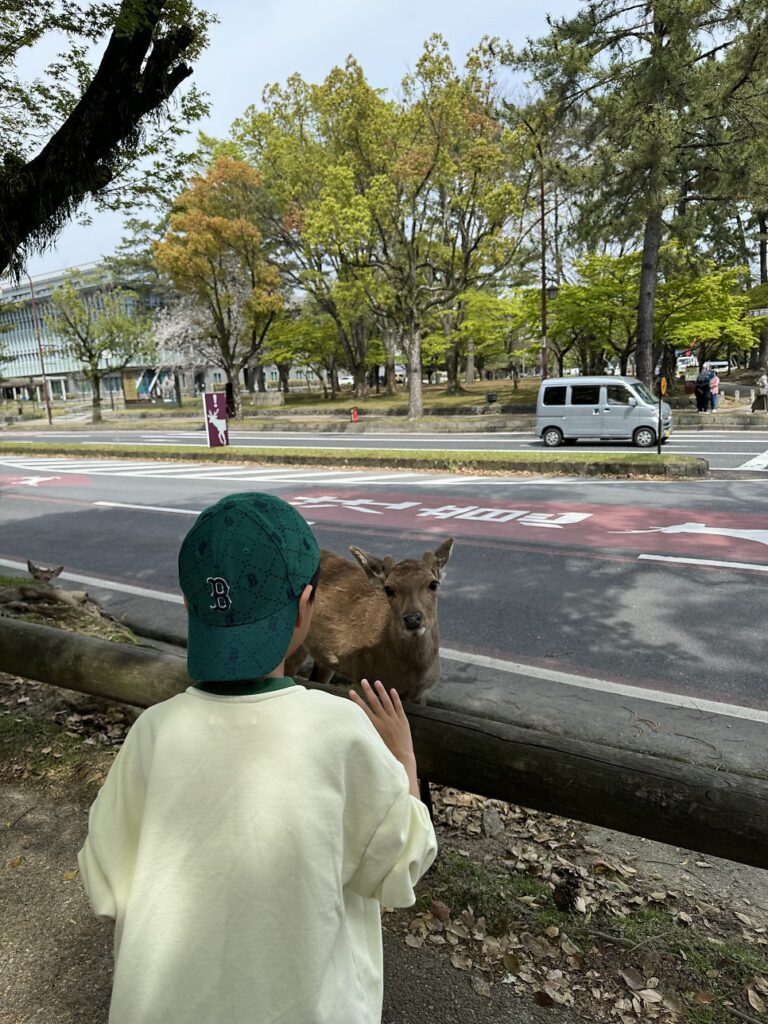
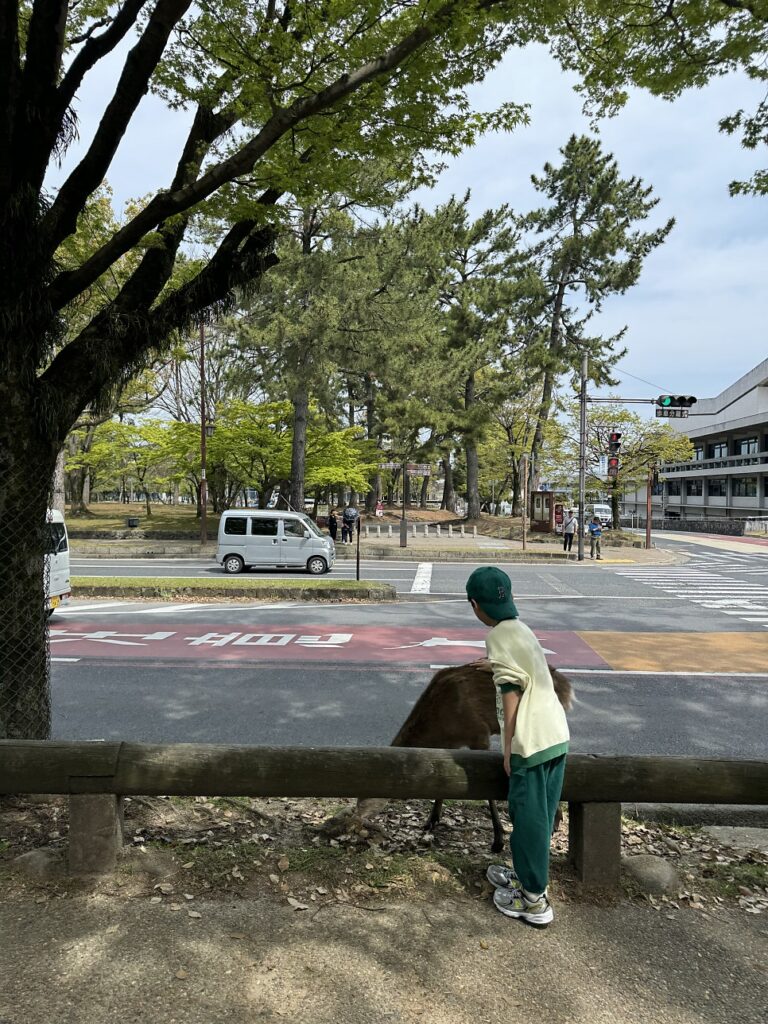
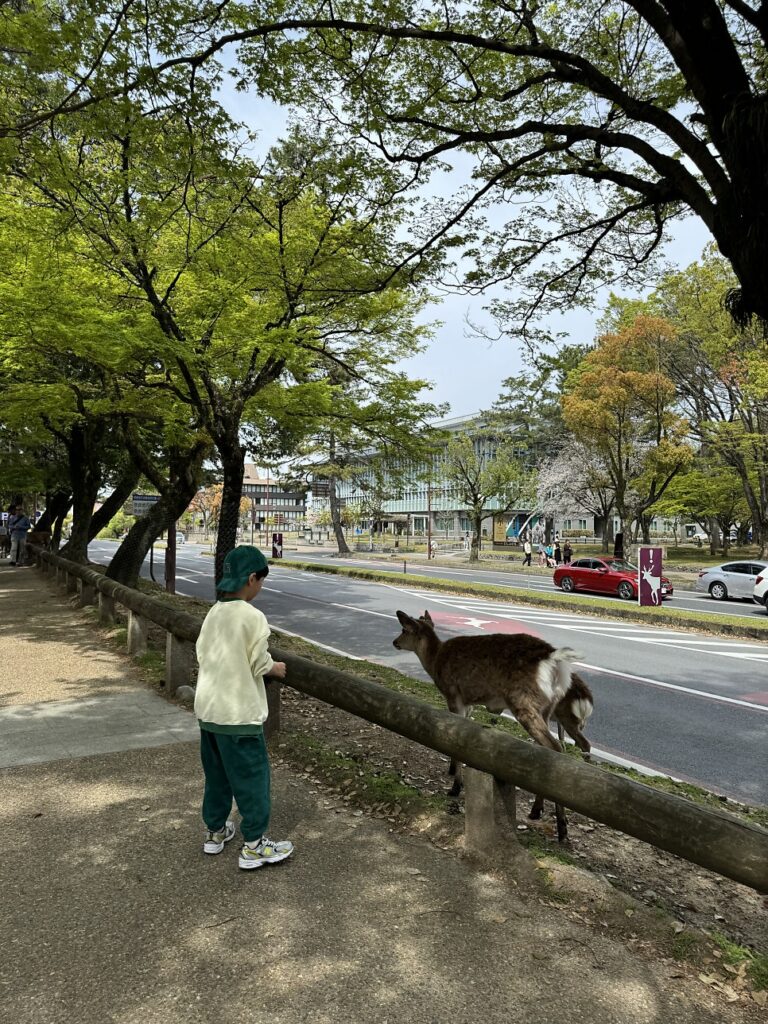
Yans was thrilled the moment he saw the deer. He loves animals, and we had planned to visit a zoo in Japan, so coming to the deer park was a great call.
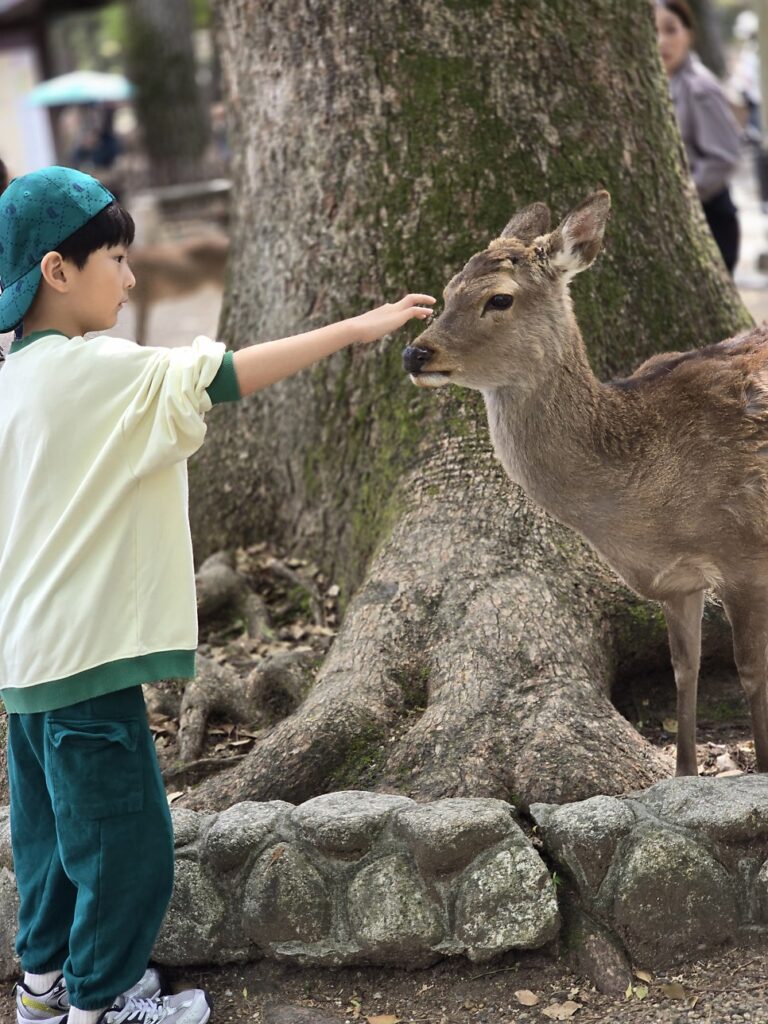
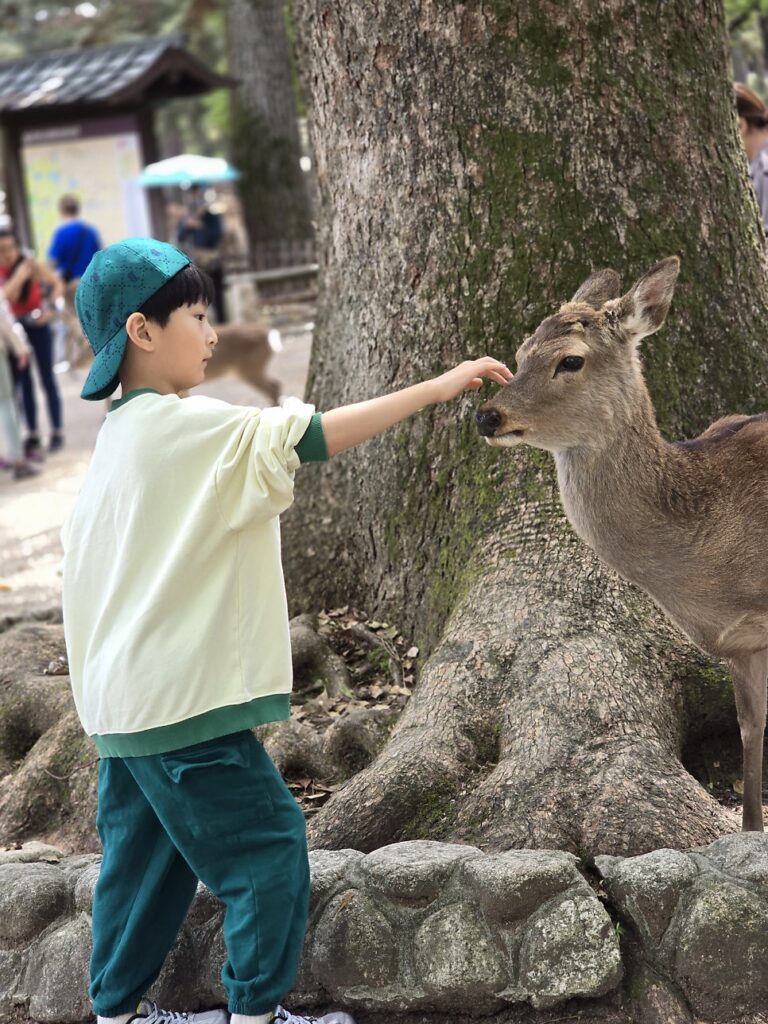
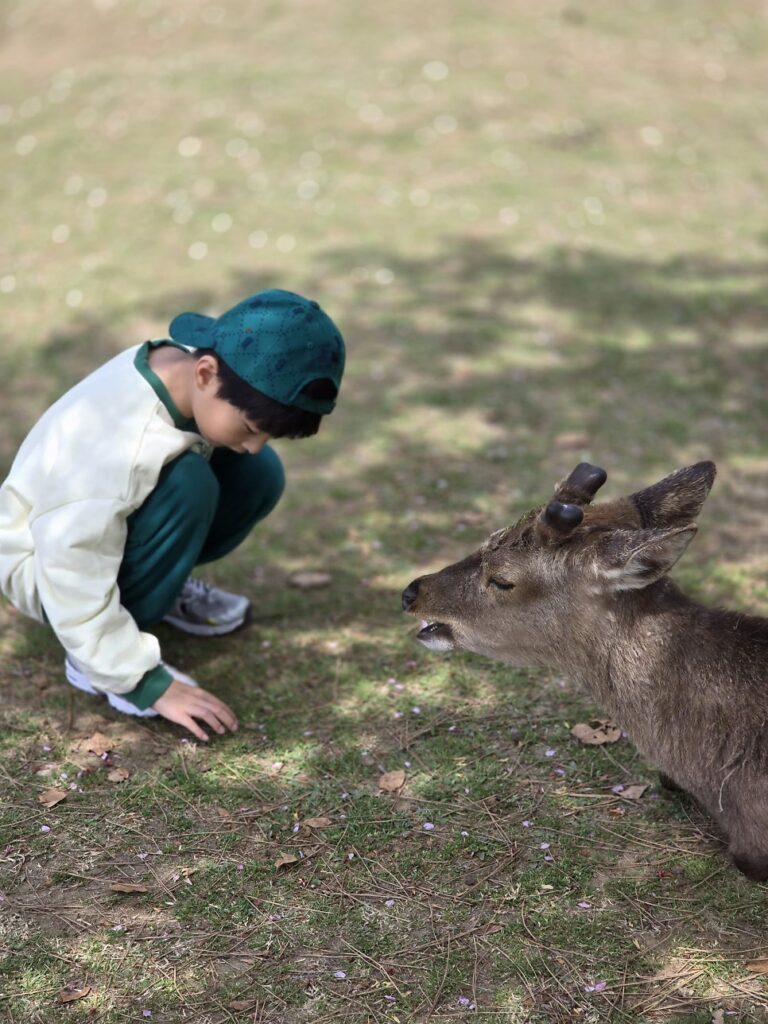
We took lots of great photos of Yans with the deer. Nara Park is free to enter, which made it even better.
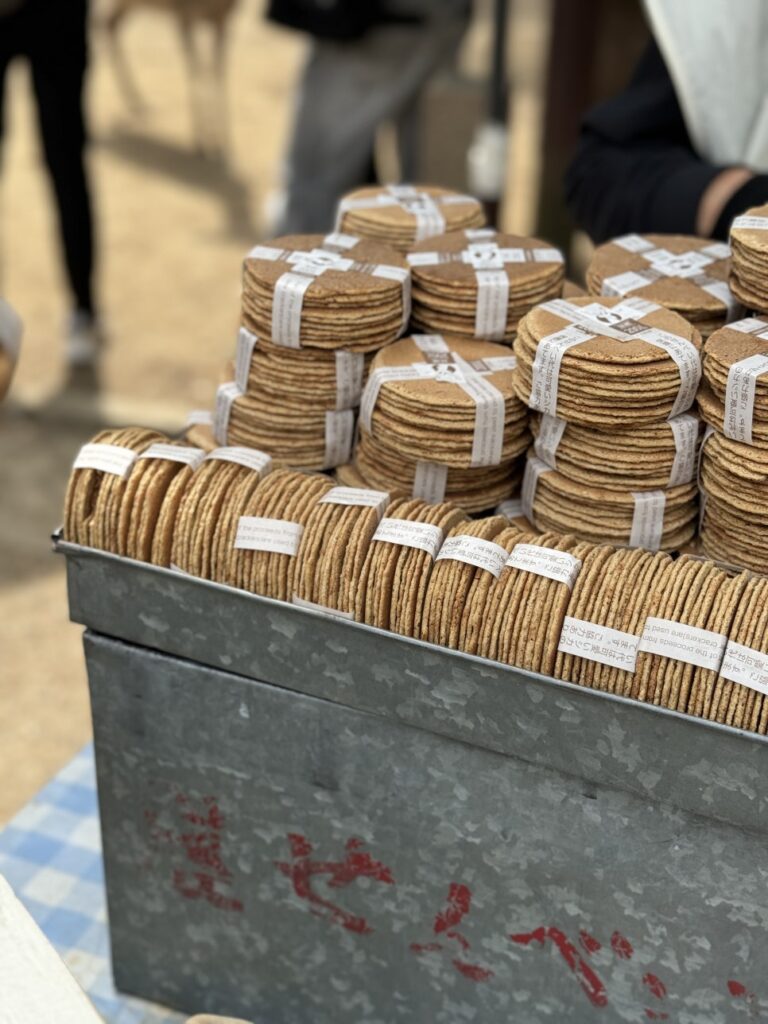
Entry is free, but you buy deer food yourself from stands throughout the park. As of 2024, the deer crackers (shika senbei) cost 200 yen, and one pack goes a long way.
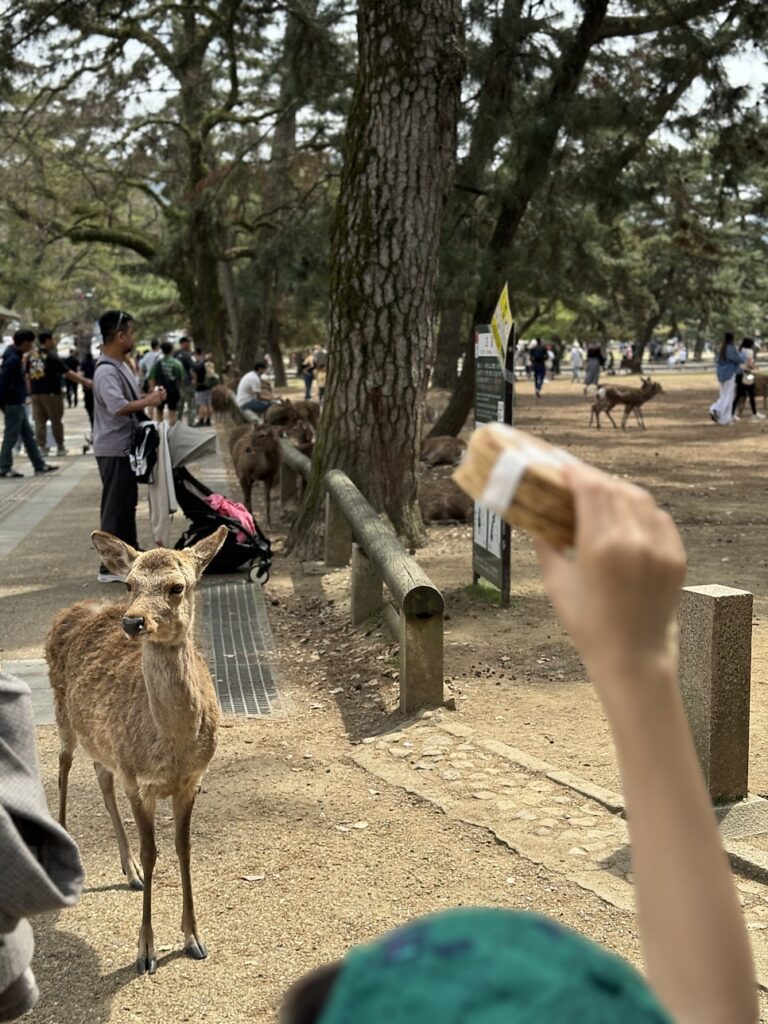
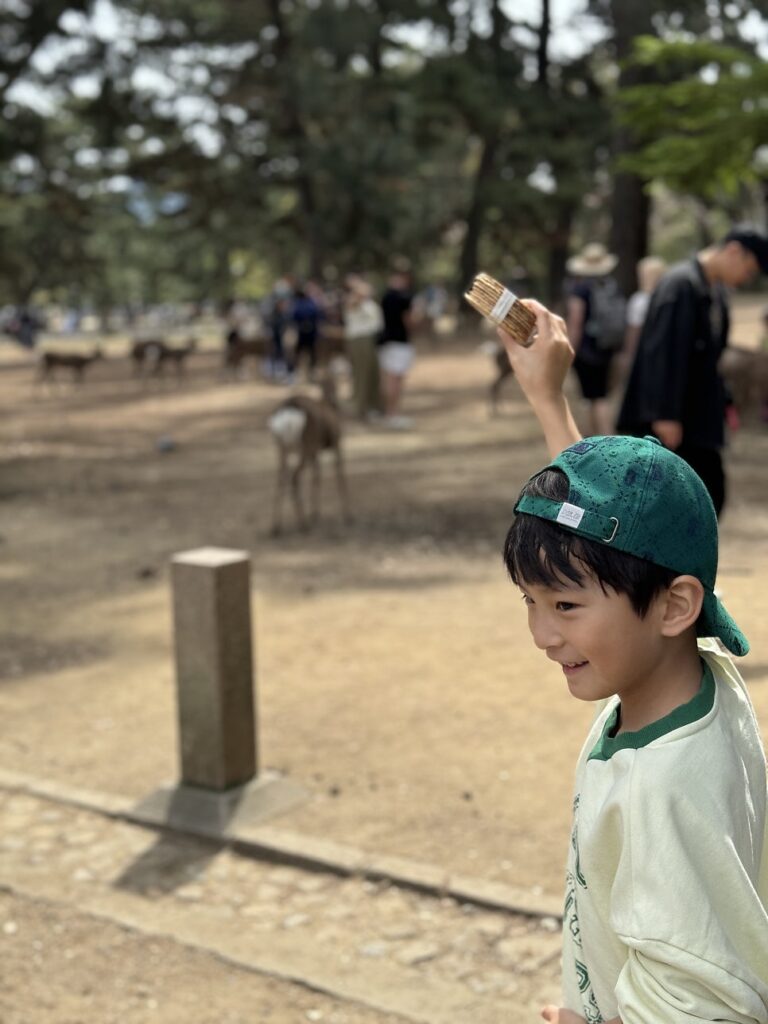
Deer crowd around the moment you buy crackers, so hold them above your head.
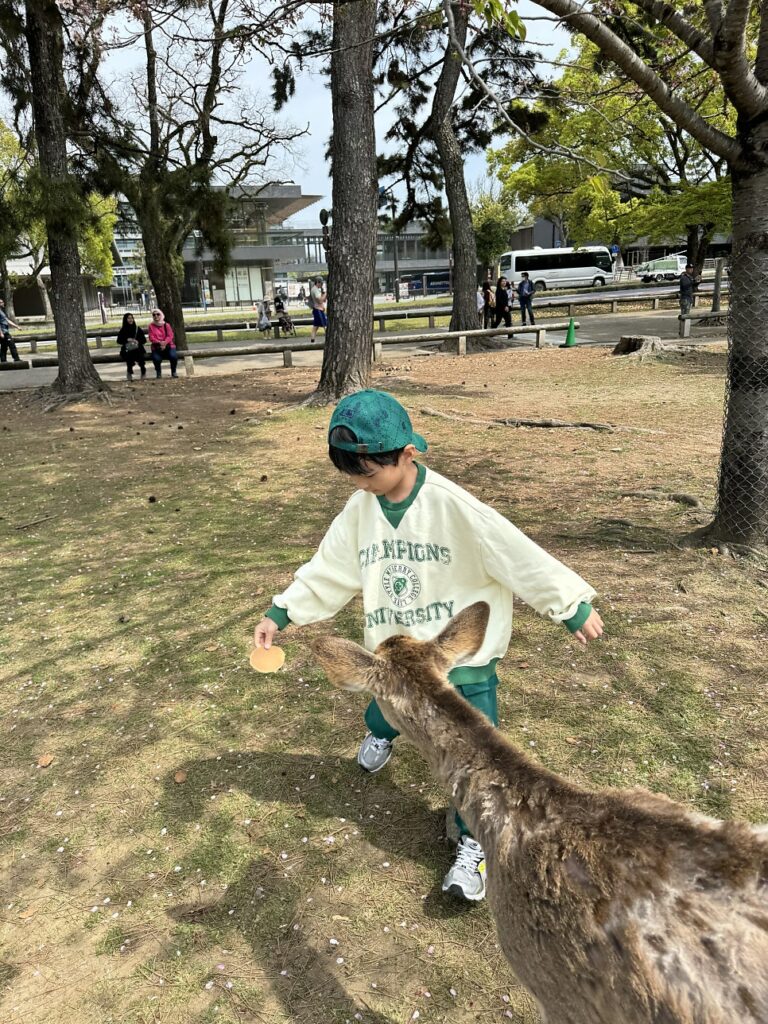
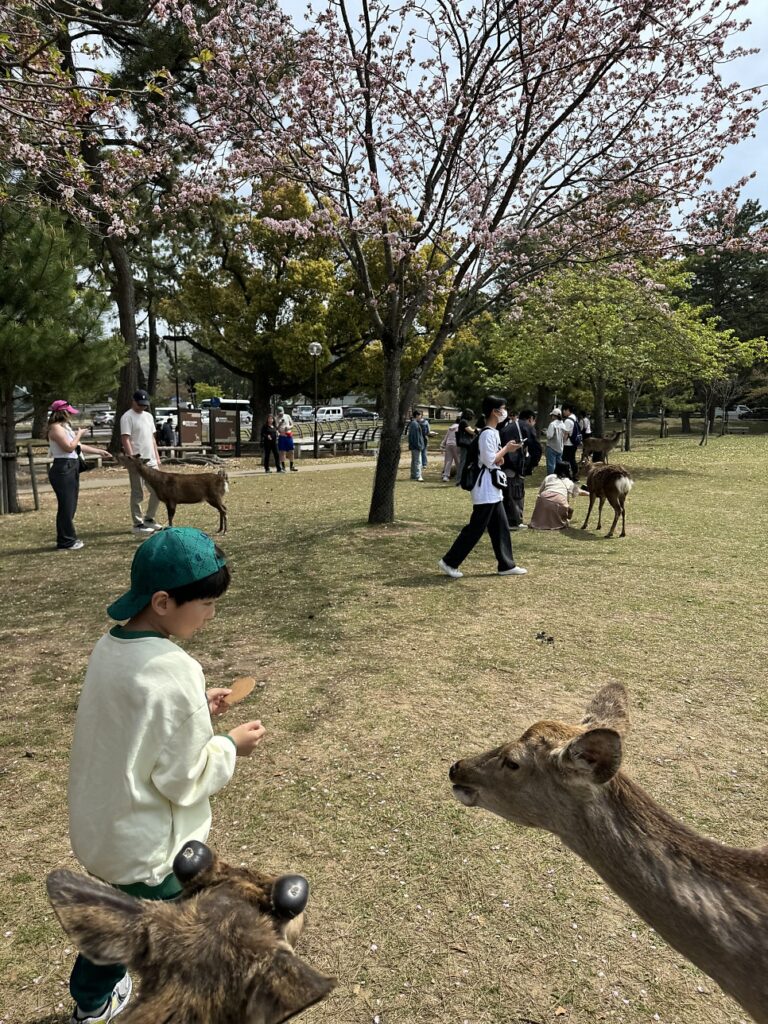
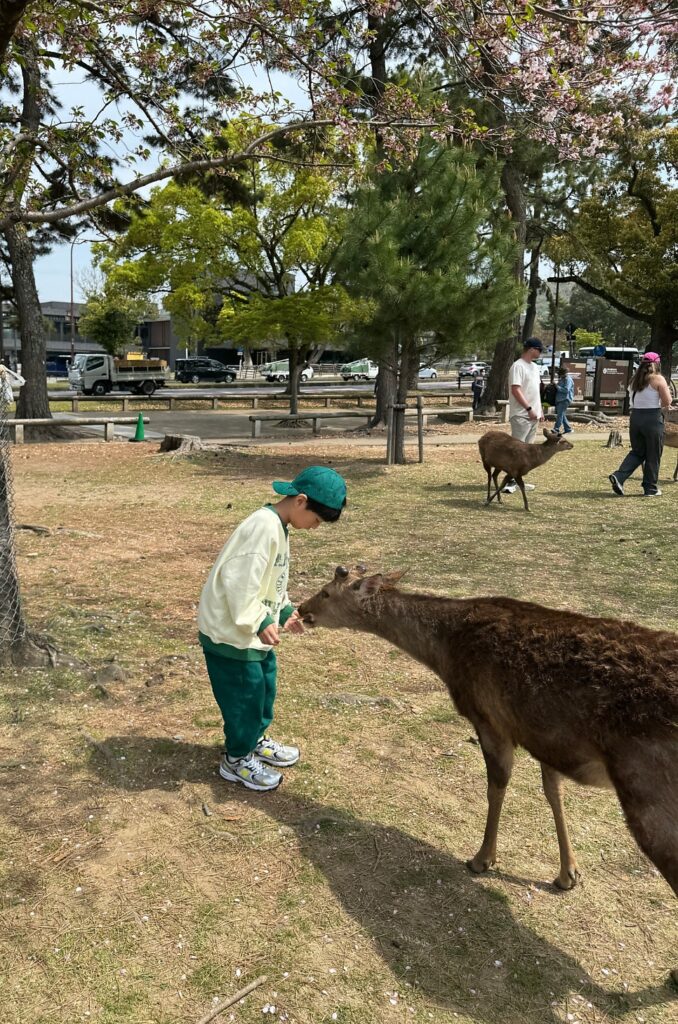
Normally gentle deer get excited around food, and a fun tug-of-war between the deer and Yans began.
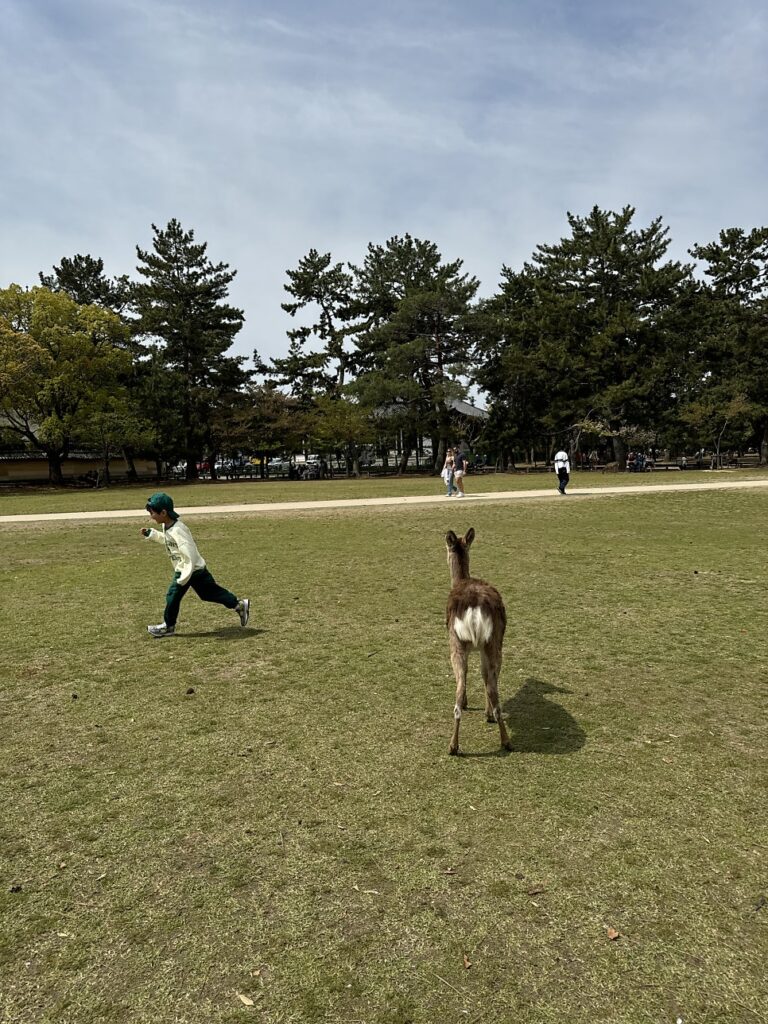
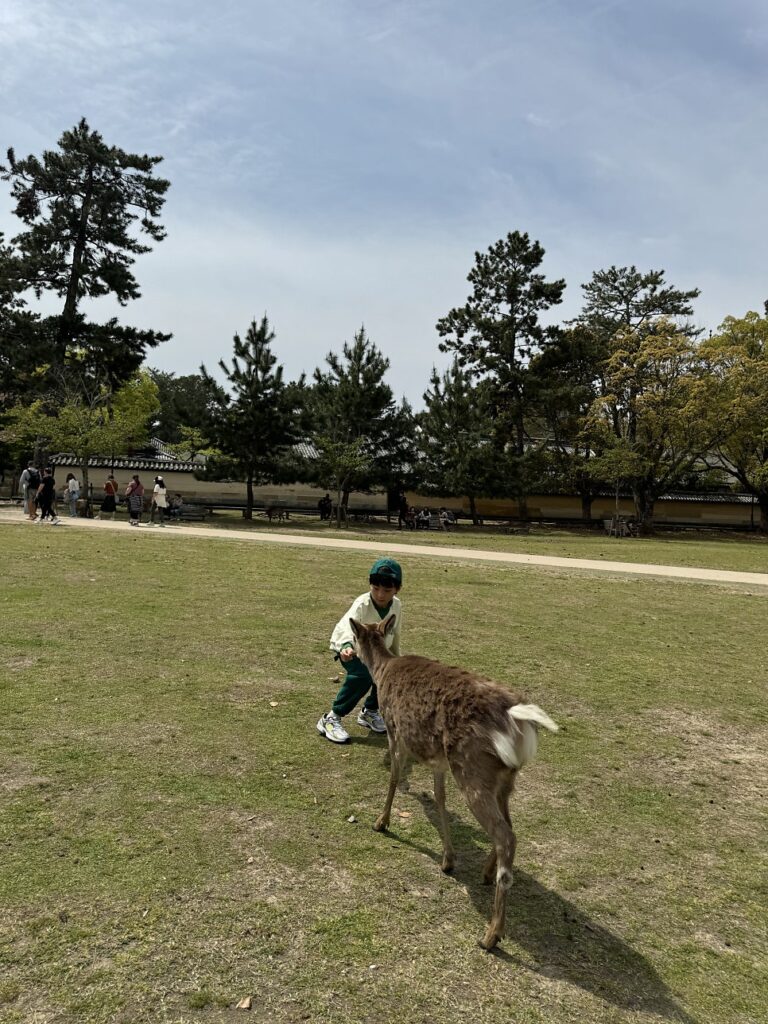
For 200 yen, we had so much fun with the deer. It’s a delightful spot.
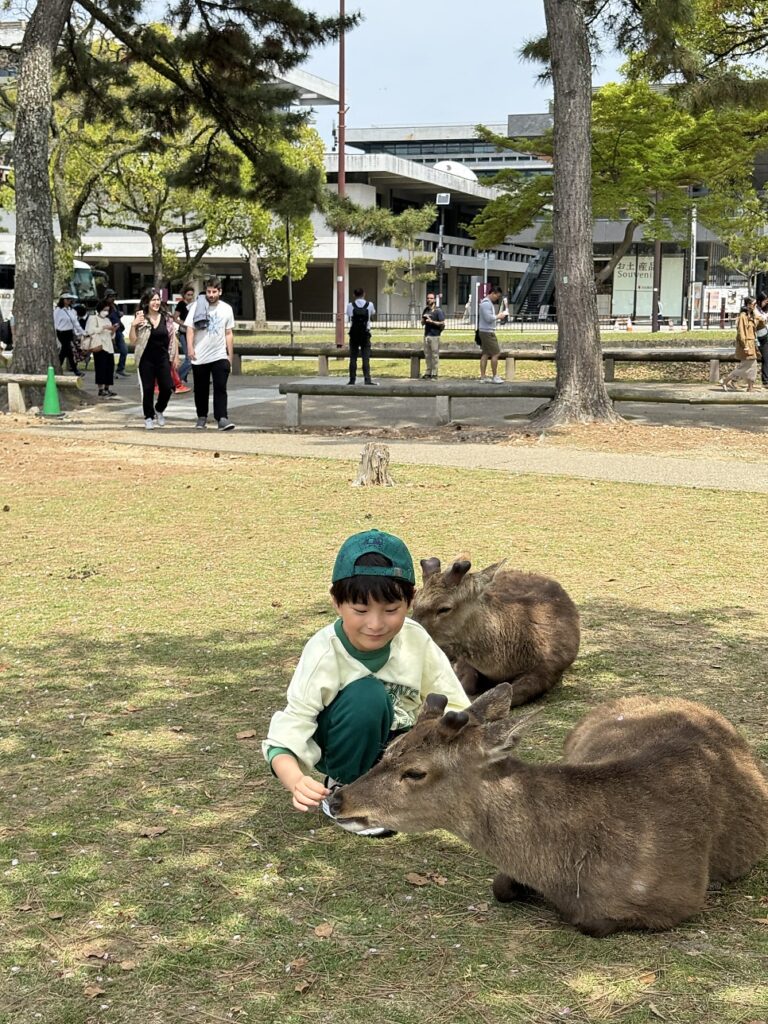
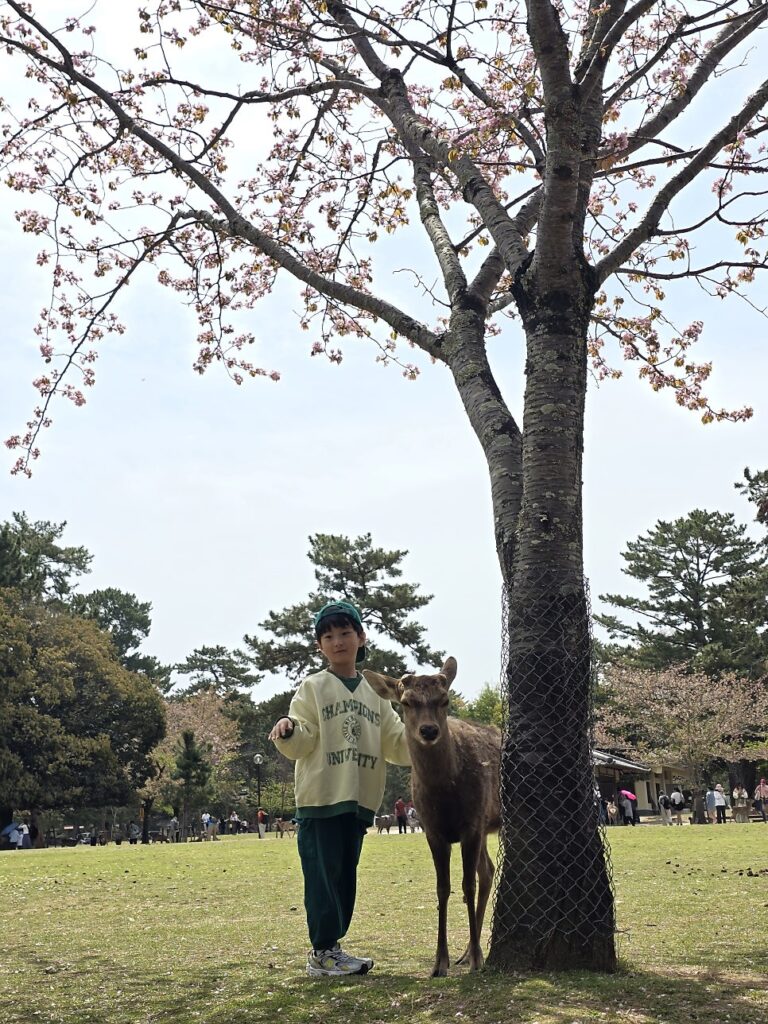
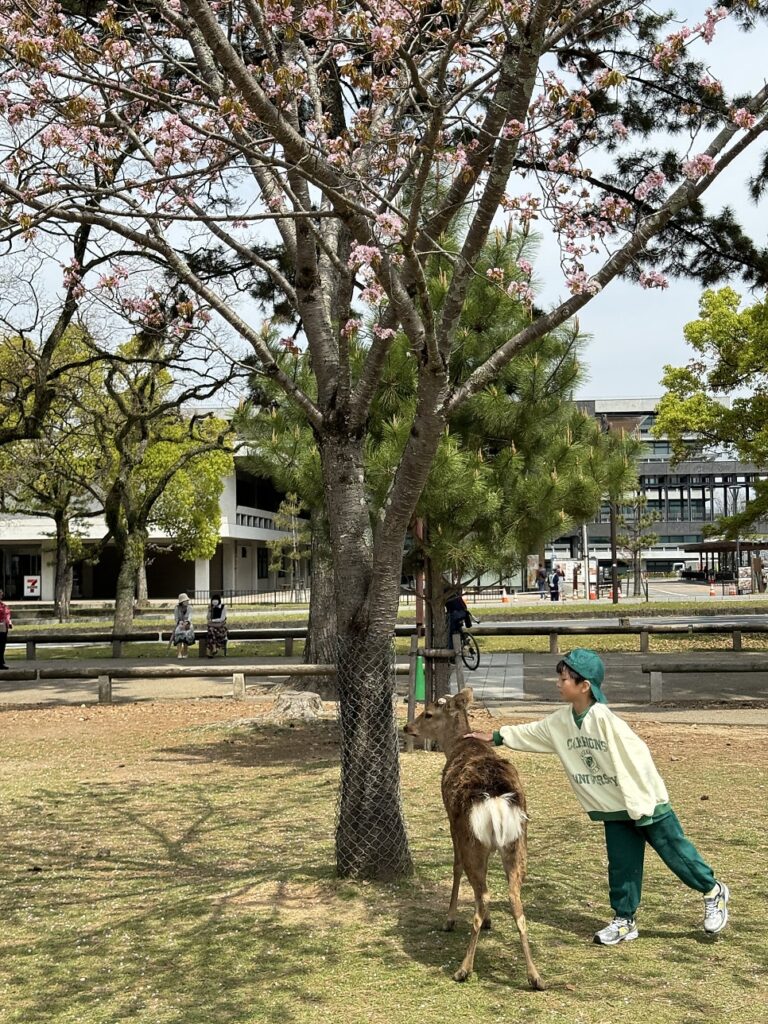
On April 15 most of the cherry blossoms had already fallen. For prettier photos, visit in summer when the grass is green, or from late March to early April when the blossoms are full.
Nakatanidou, Famous for Mugwort Mochi
- Hours: 10 a.m. to 7 p.m.
Walk through the Nara Station arcade to the end and you’ll see a shop with a huge line. It’s a rice cake shop.
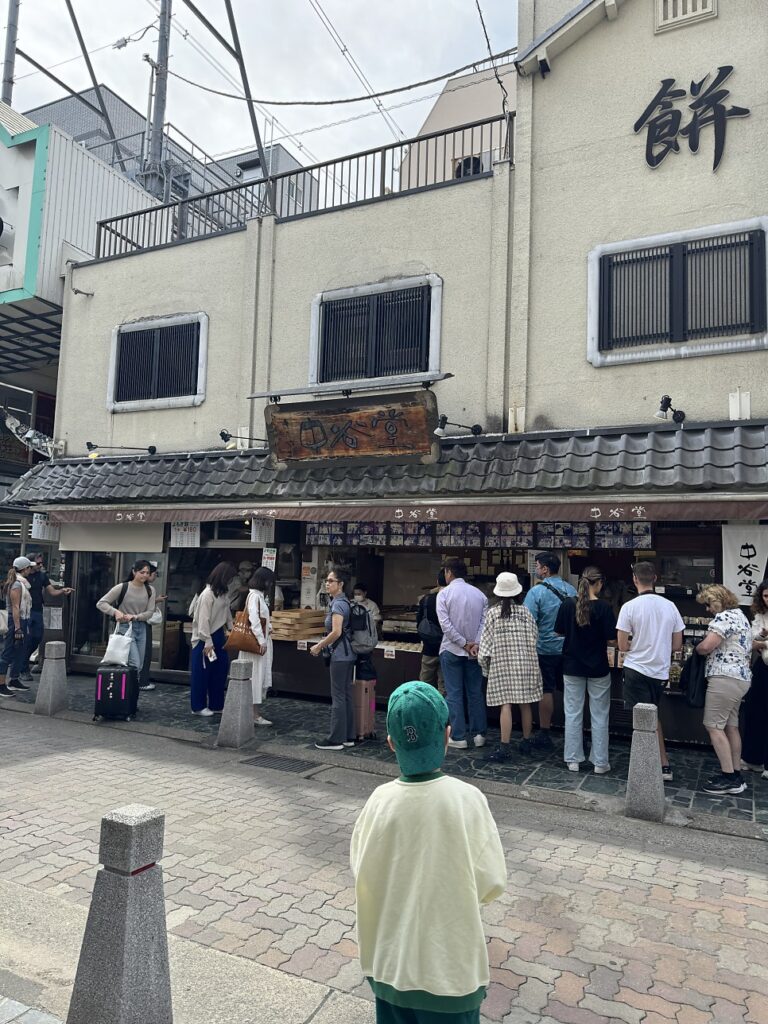
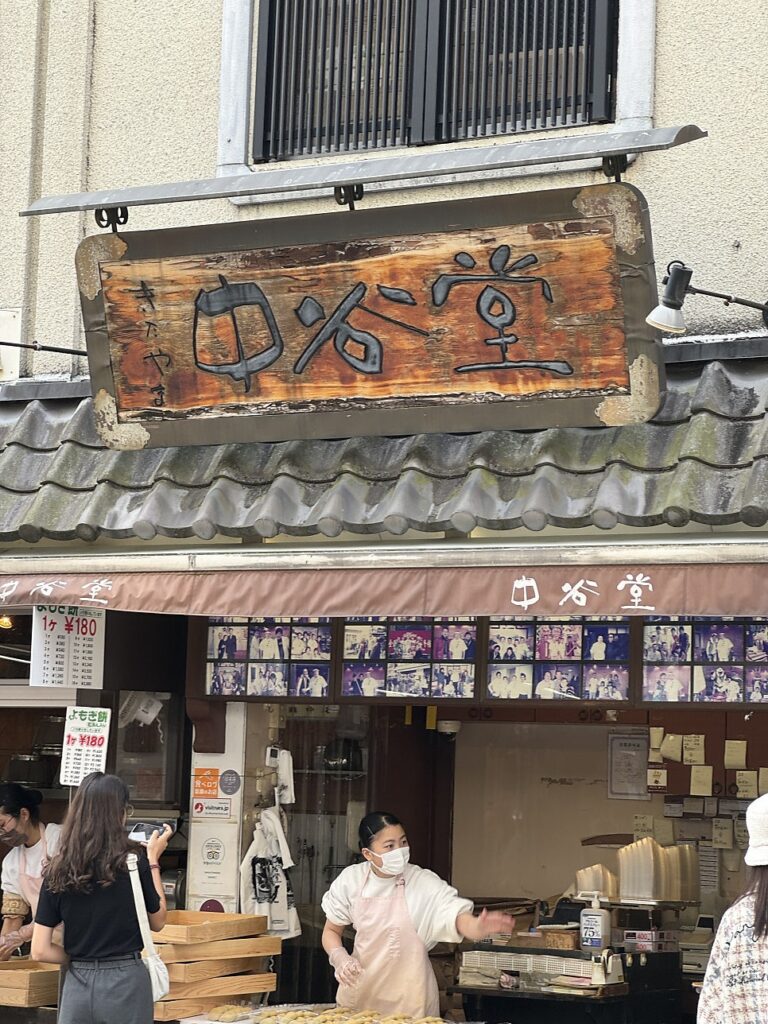
The crowd was enormous.
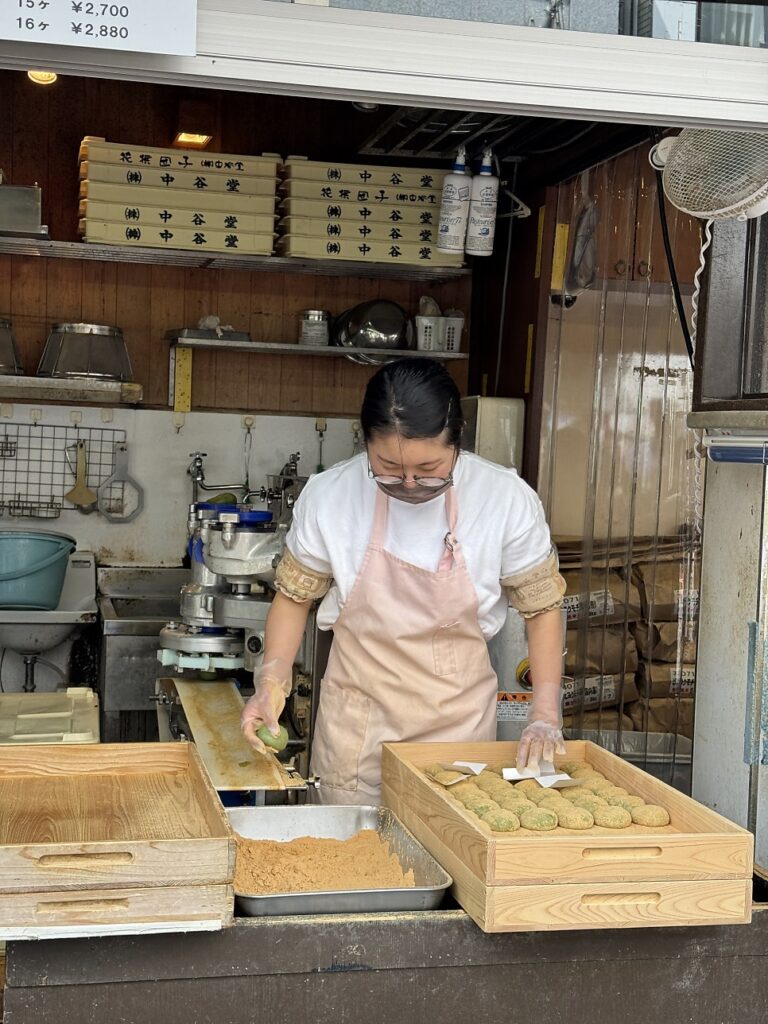
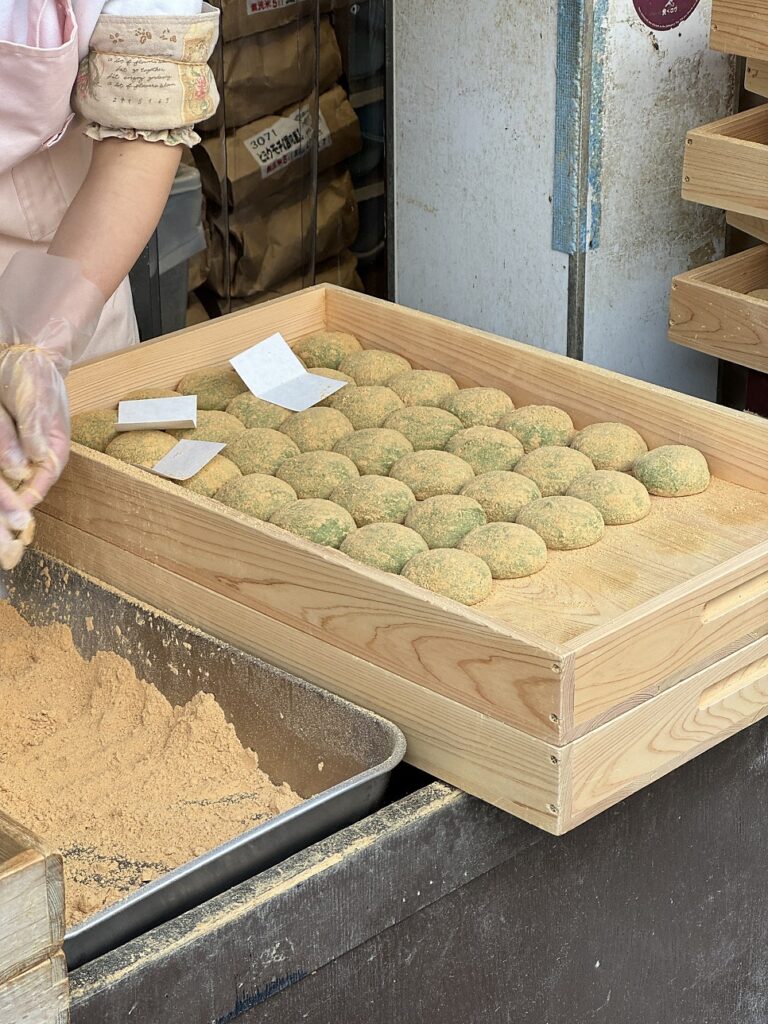
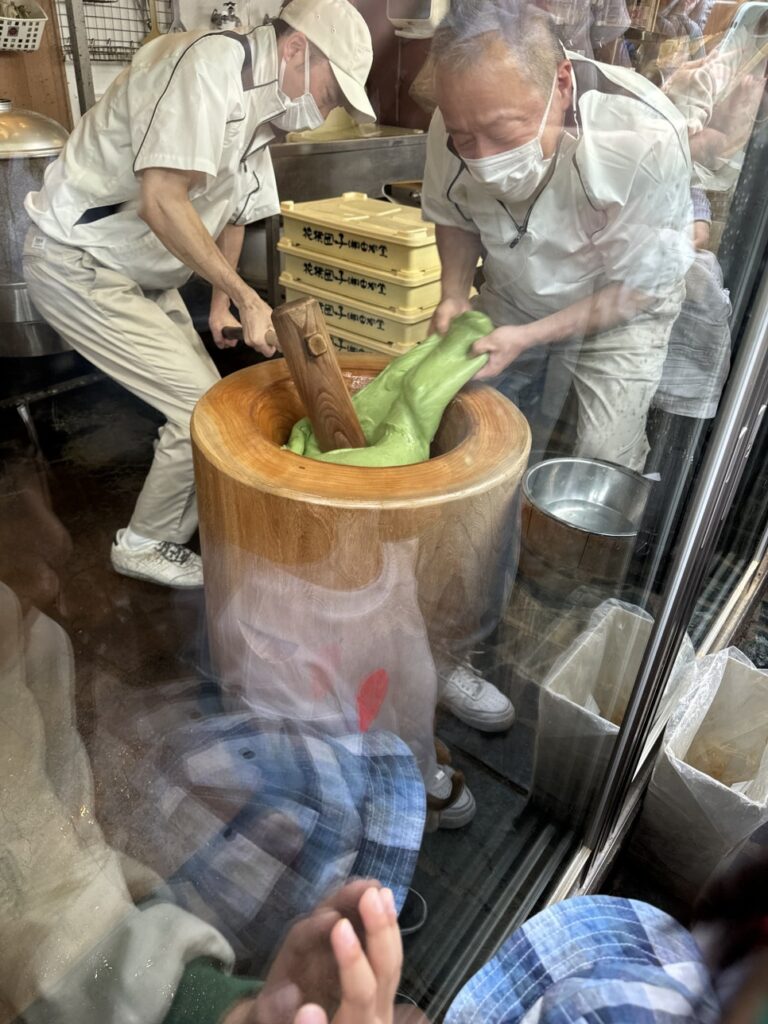
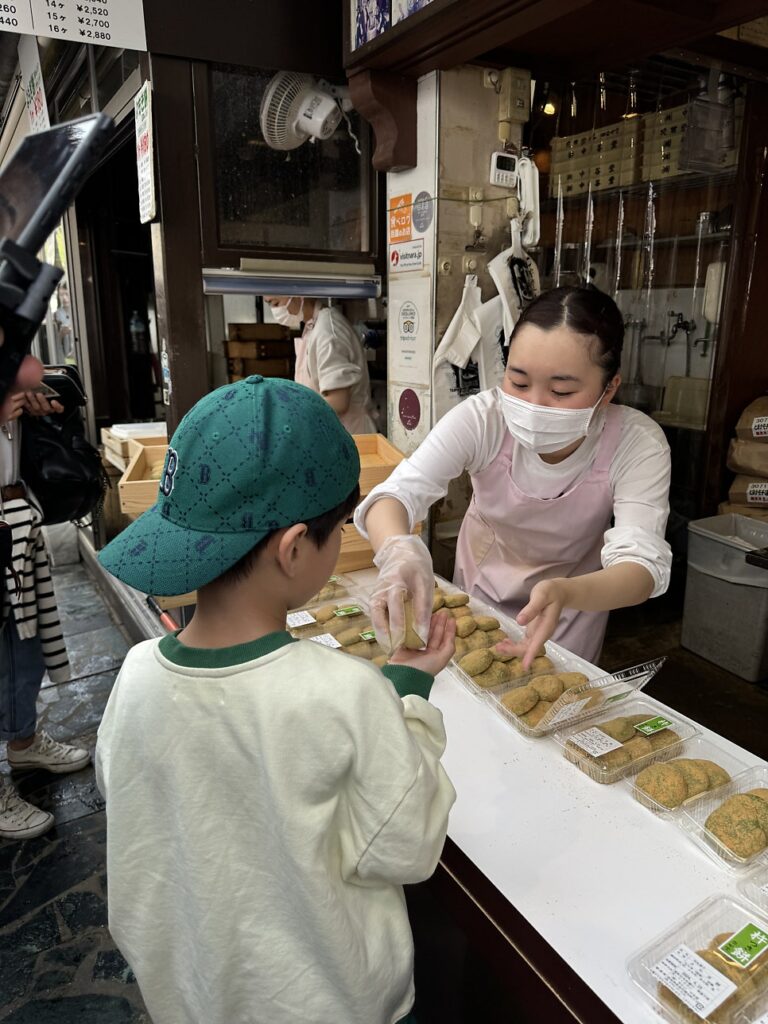
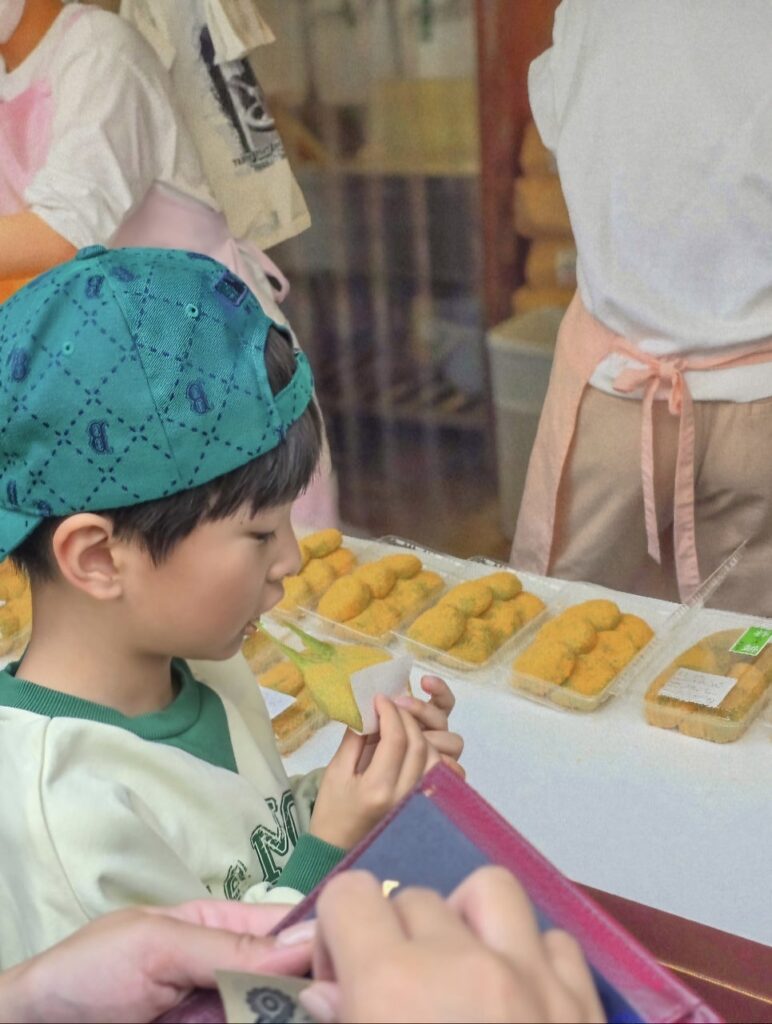
They sell only mugwort mochi, and it looked wonderfully chewy. It’s Nara’s most famous mugwort mochi shop, popular with locals and foreign visitors alike. We arrived at 11 a.m., just as the mochi-pounding show began. Two craftsmen pounded the mochi so fast you could barely see their hands, in perfect rhythm.
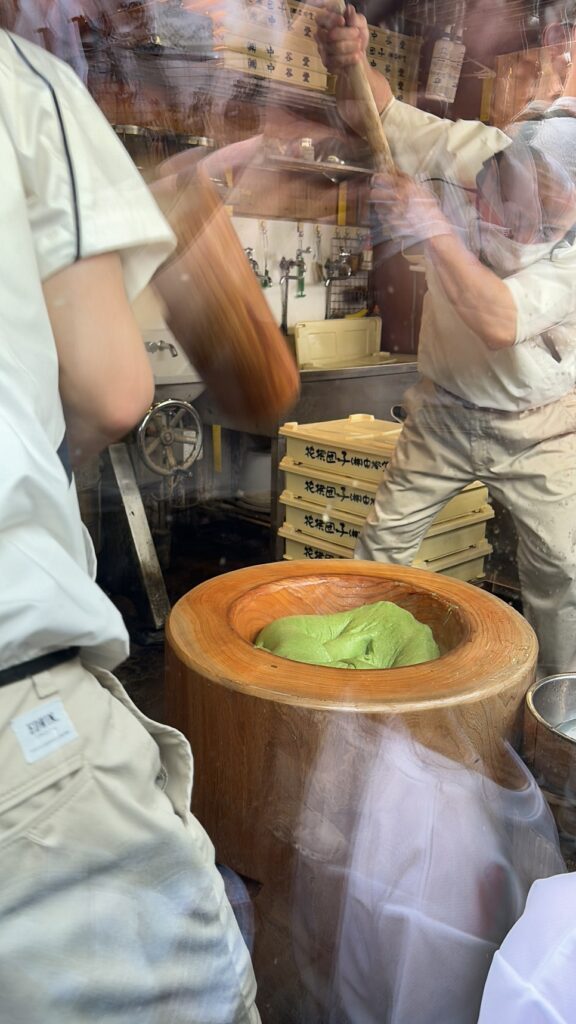
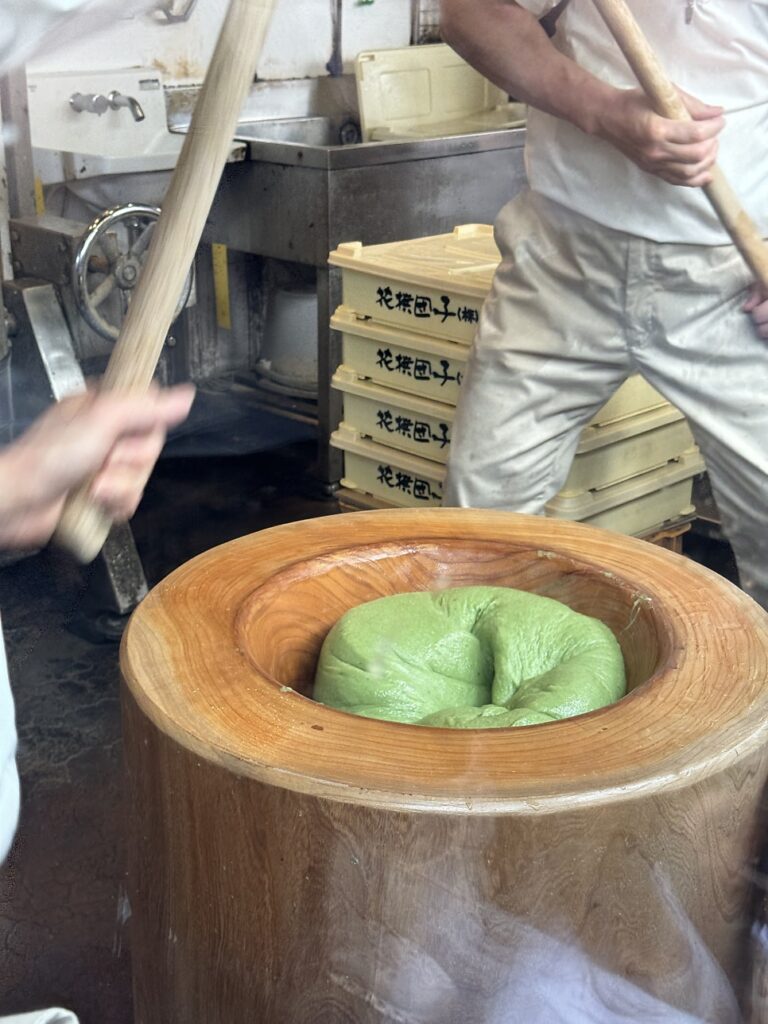
If you’re near Nara Station, catch the pounding show. The first show was at 11 a.m. and the next at 1 p.m., with times posted on the shop window.
We bought mochi made from the freshly pounded rice cake. As of 2024, each was 180 yen and absolutely delicious. The single pieces made fresh were warm and tastier; the packaged ones were less chewy but still good. Coated in roasted soybean powder, they were soft and chewy, and the red bean filling wasn’t too sweet. Next time I’ll buy a box; four was not nearly enough.
3. Ikoma Itinerary
After Nara, we used the 1-day Kintetsu Rail Pass to head to Ikoma. Nara has plenty of sights, but it’s also worth hopping to other places the pass covers.
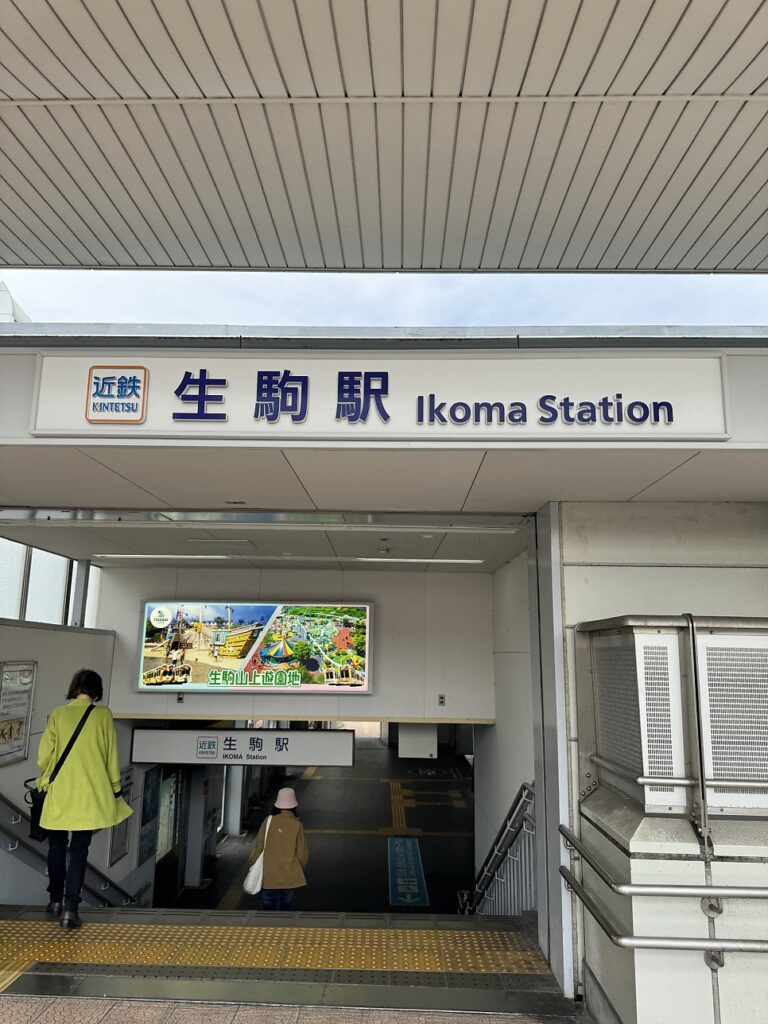
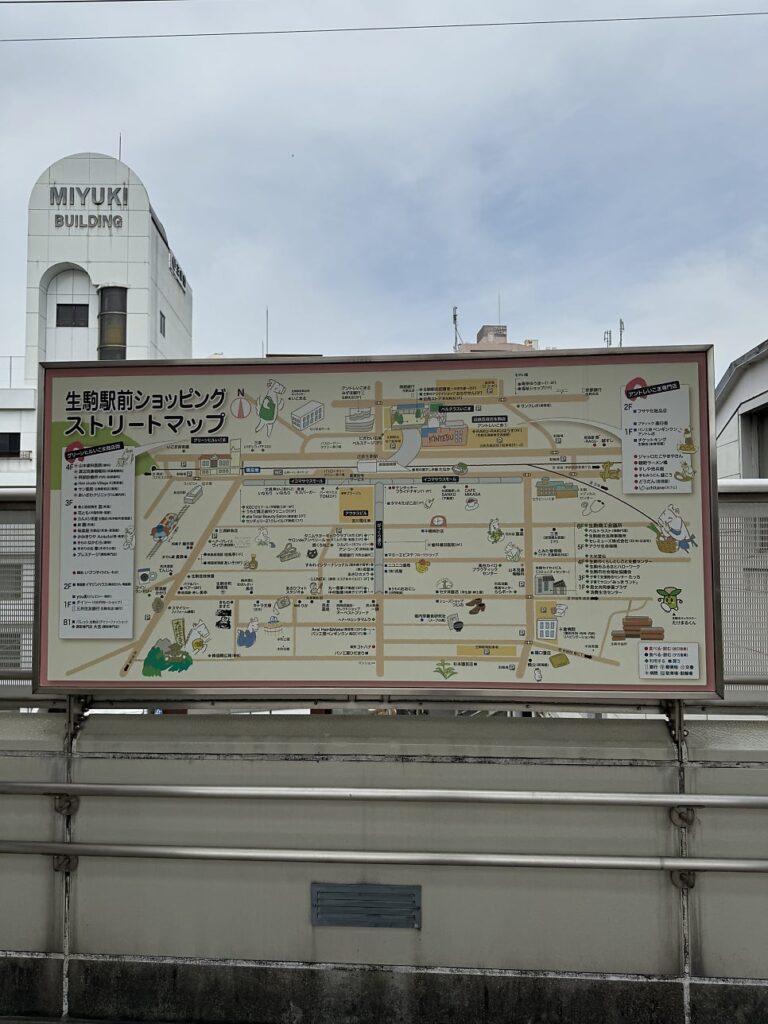
Ikoma Station is about 15 minutes from Nara on a Kintetsu train toward Osaka. We arrived around noon, so lunch came first. The area around Ikoma Station has many restaurants popular with locals, with varied menus and good prices.
Izakaya Sawaya
- Hours: 11 a.m. to 11 p.m.
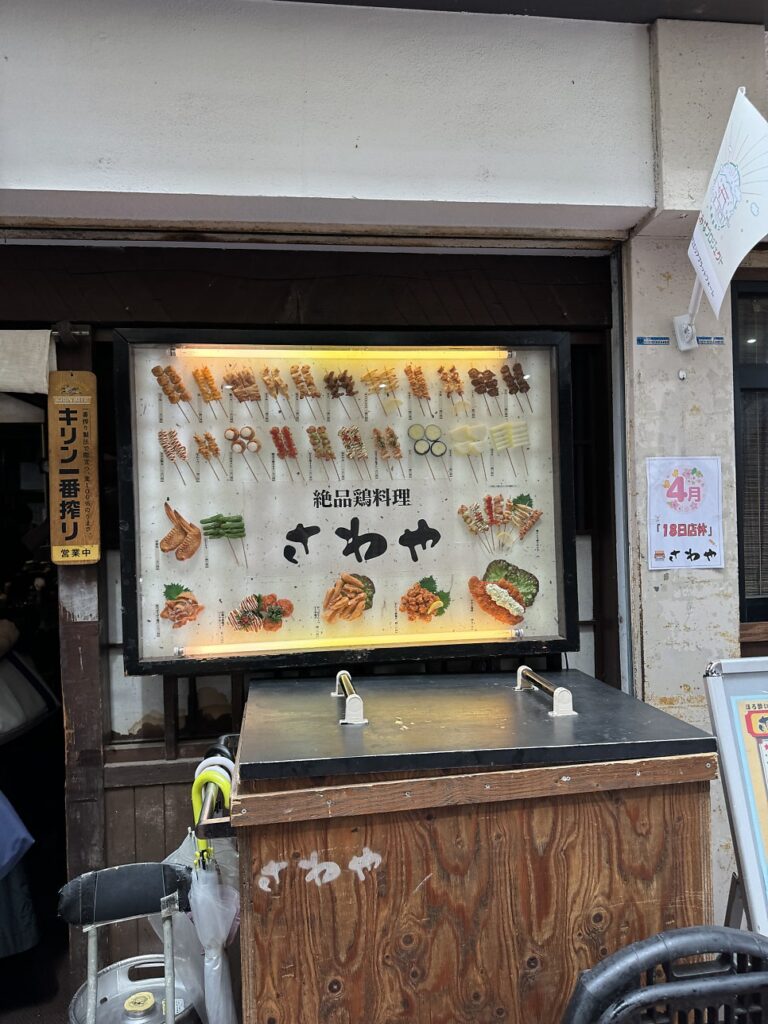
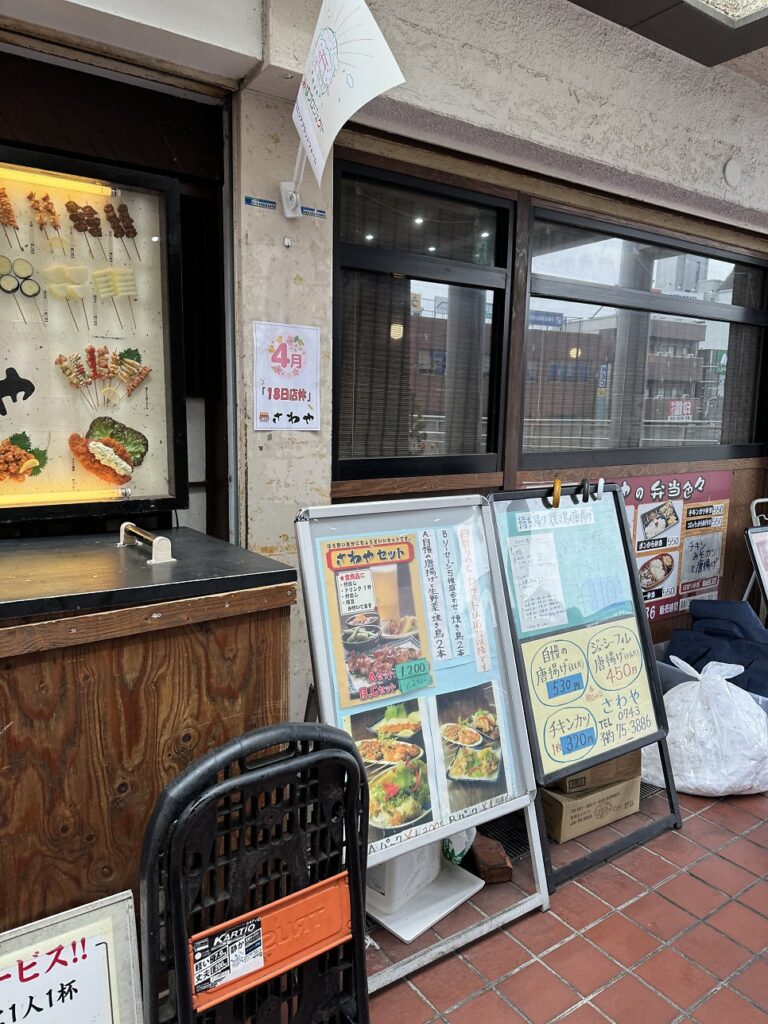
We chose an izakaya serving yakitori, karaage and tonkatsu for both meals and drinks.
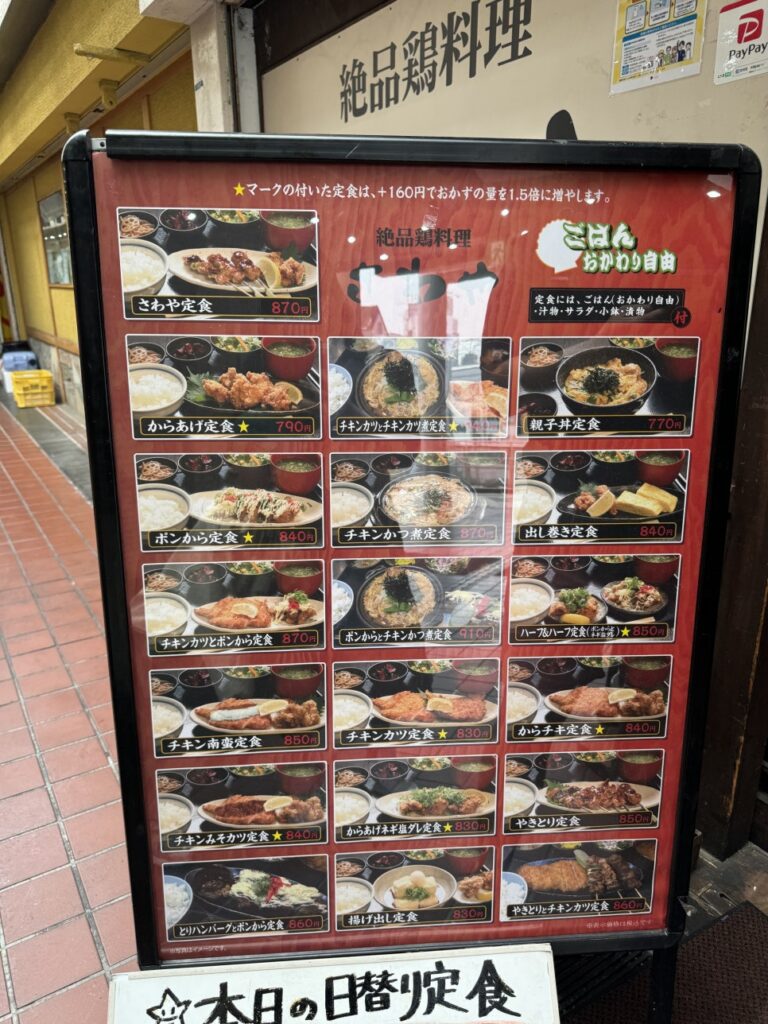
As of 2024, a meal cost around 800 yen, with generous portions. Yans had yakitori, I had karaage and chicken katsu, and my husband had a rice bowl.
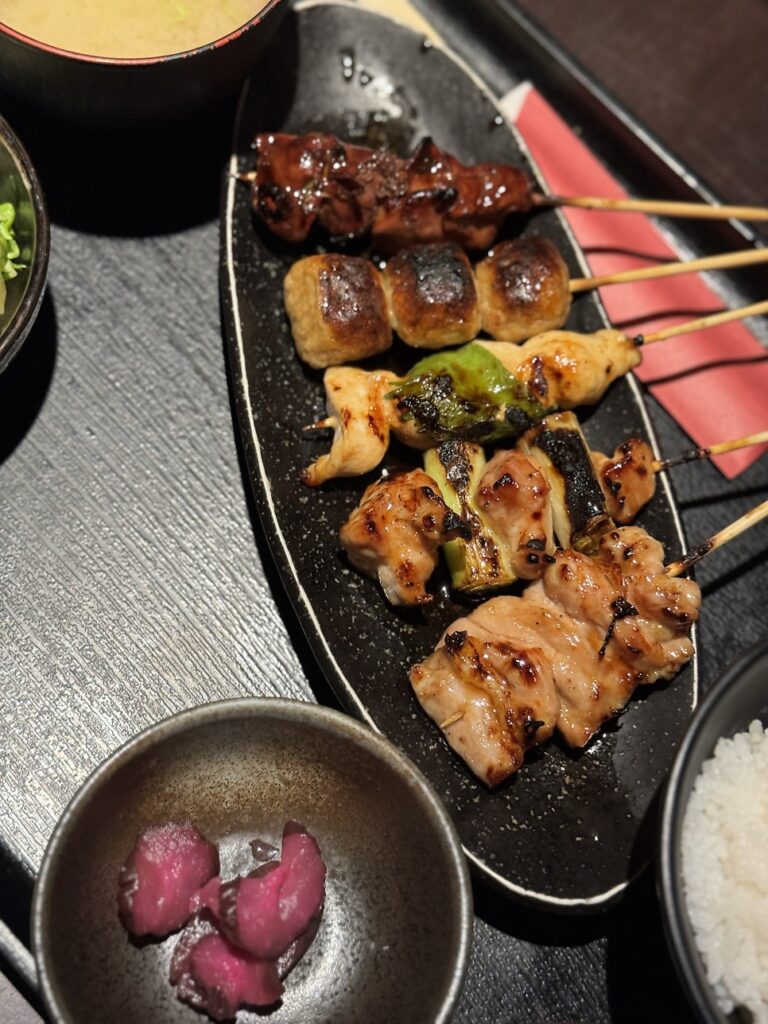
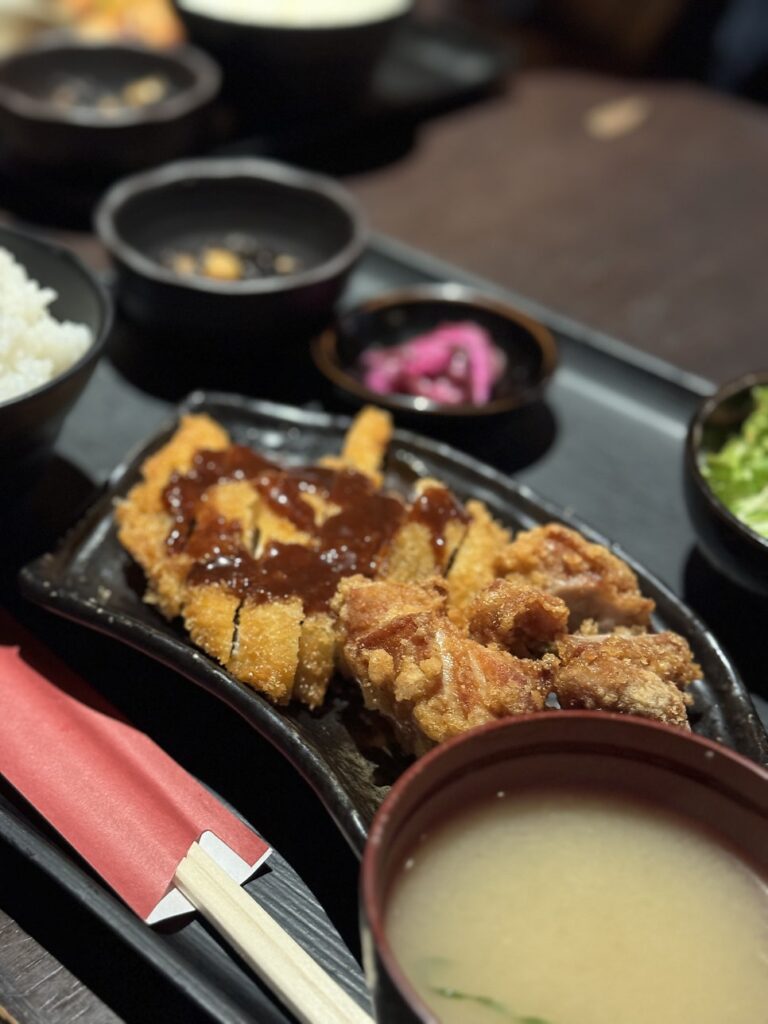
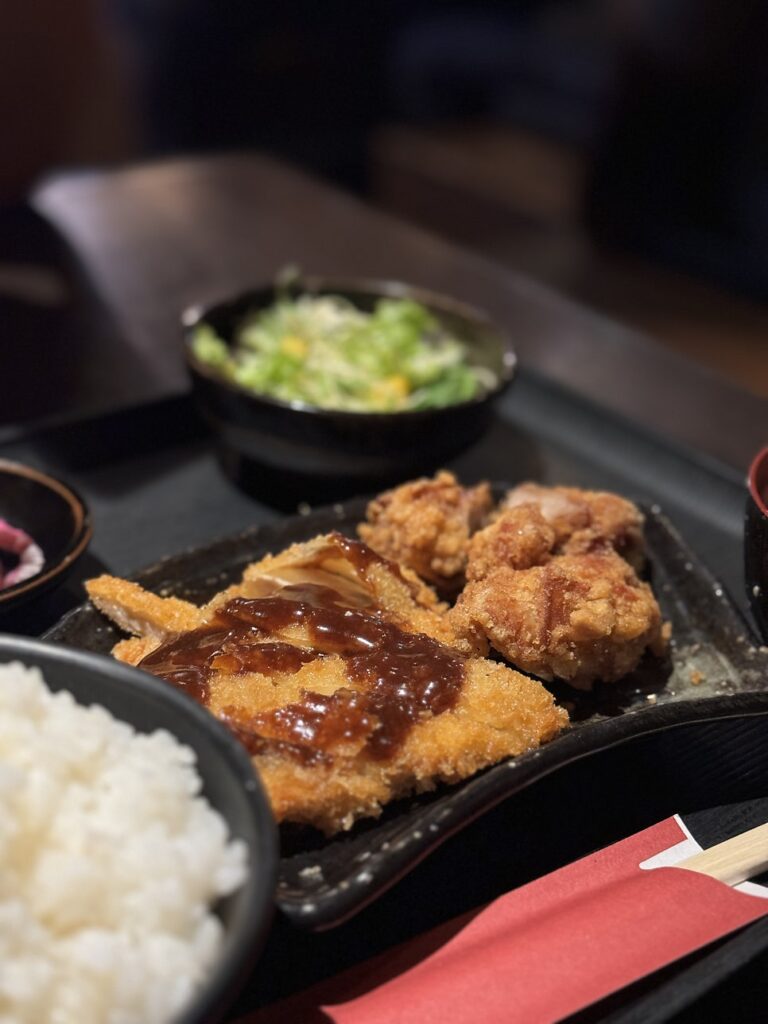
The food was neat and hearty, and the place was busy at lunch.
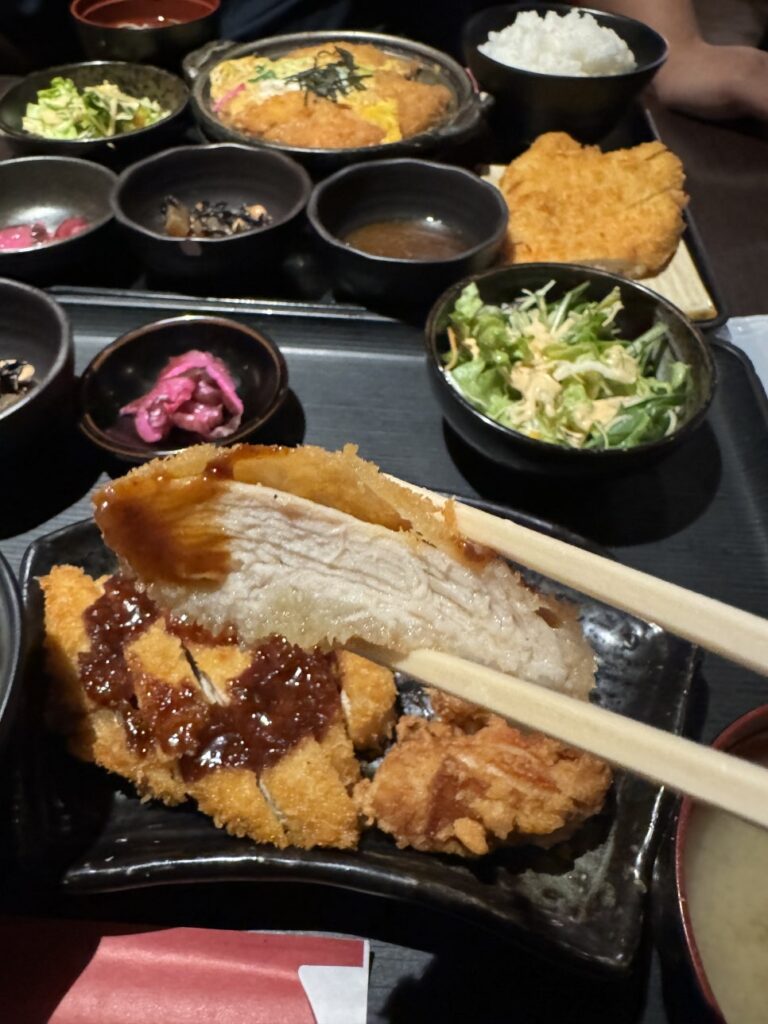
Japan really does tonkatsu best; it was bursting with juice. After lunch, we walked about three minutes from Ikoma Station to Toriimae Station to ride the cable car.
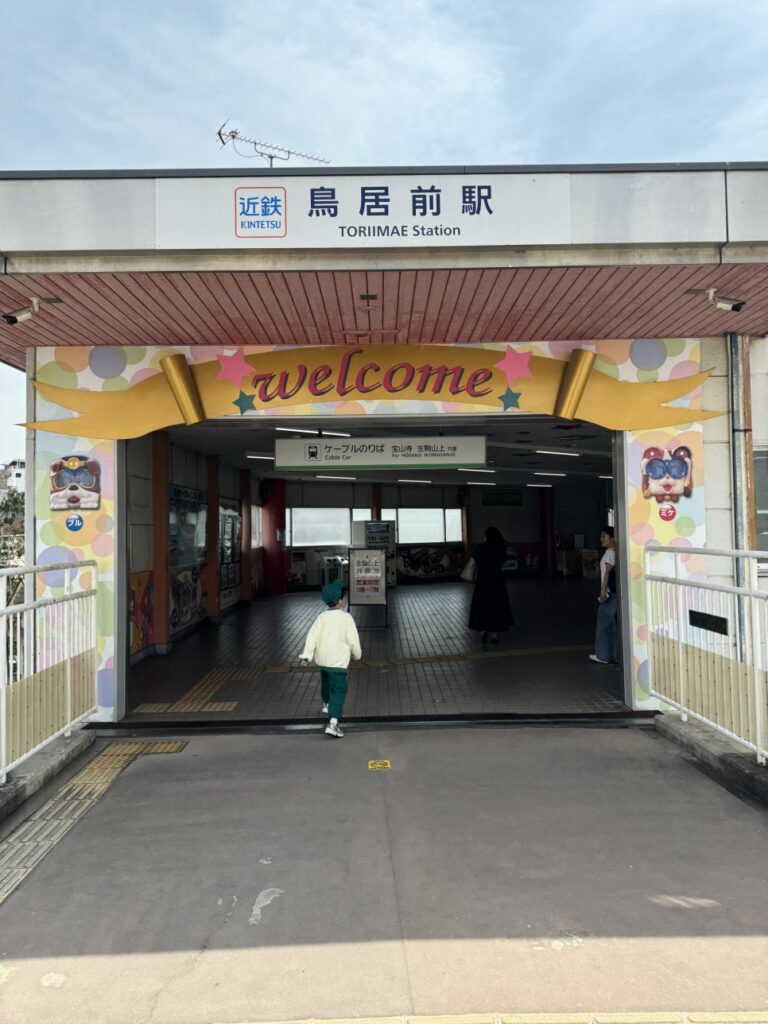
Ikoma Sanjo Amusement Park is also reachable with the Kintetsu Rail Pass, so don’t miss it.
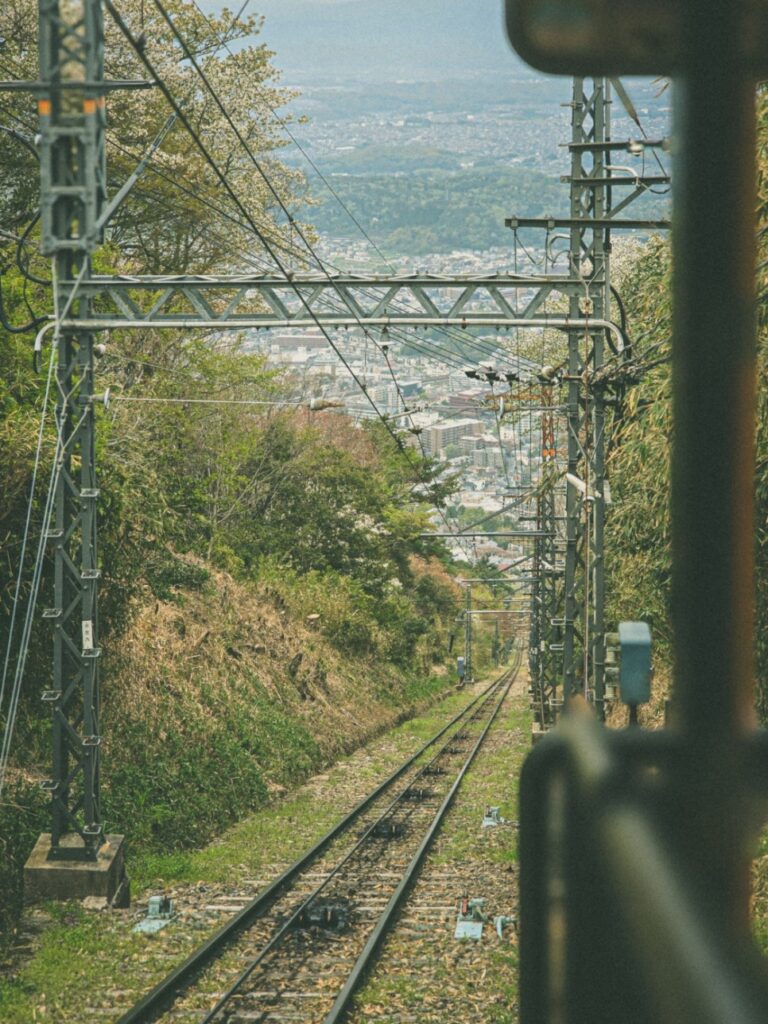
A cute dog-shaped cable car was waiting for us.
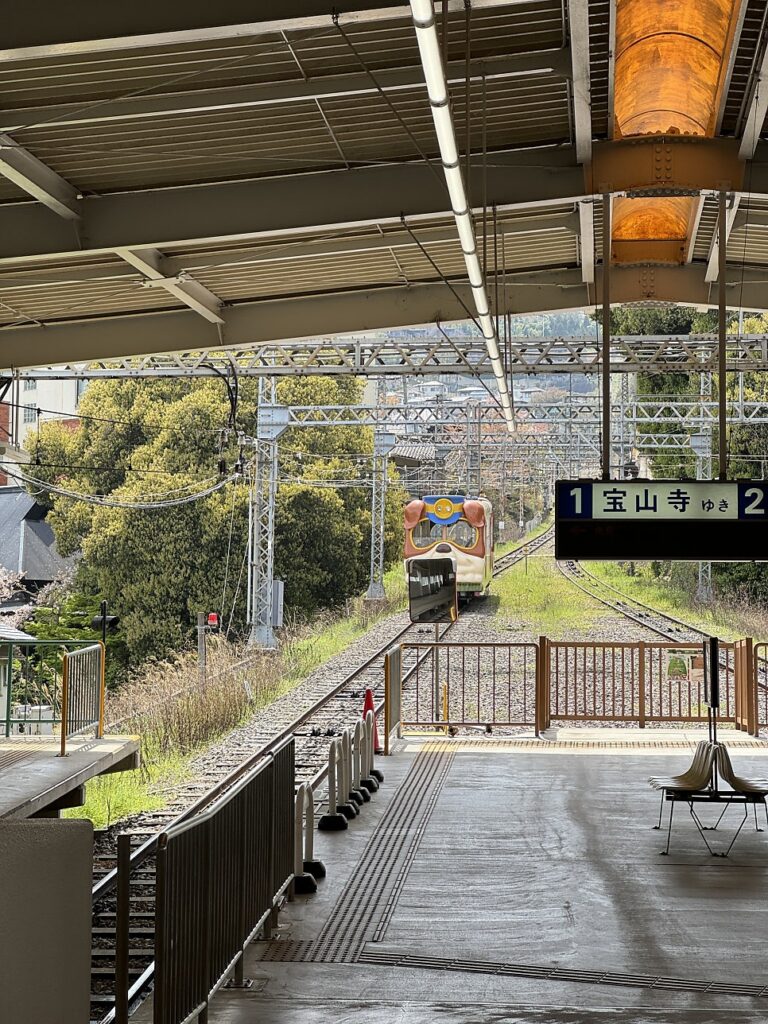
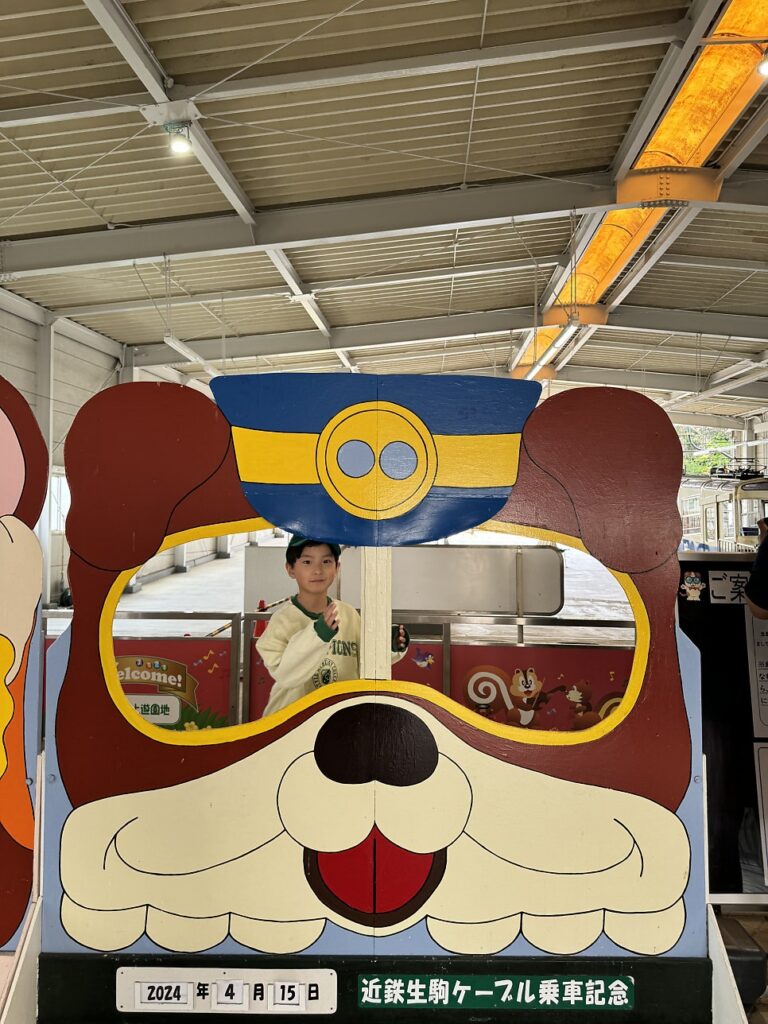
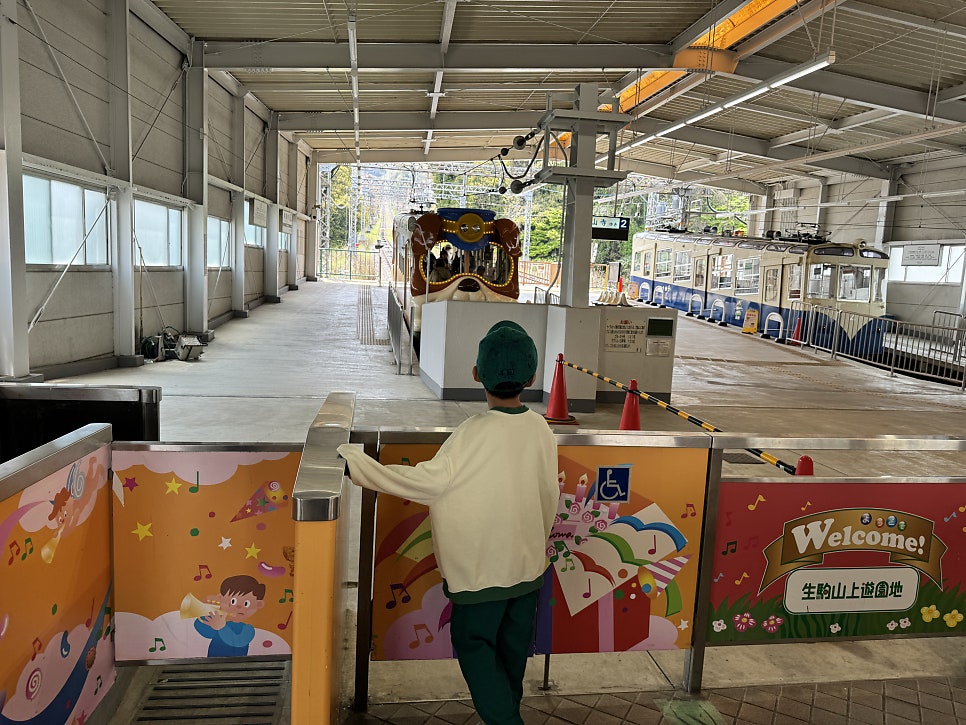
It’s called a cable car, but it feels like a monorail running on rails, so Yans rode without fear.
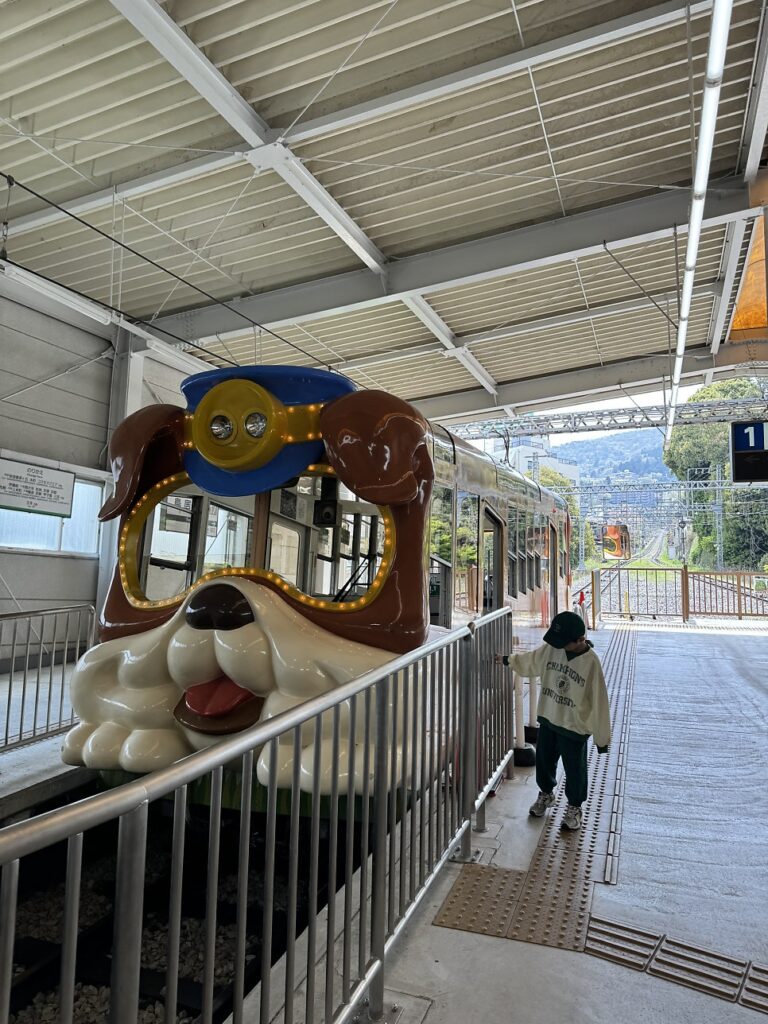
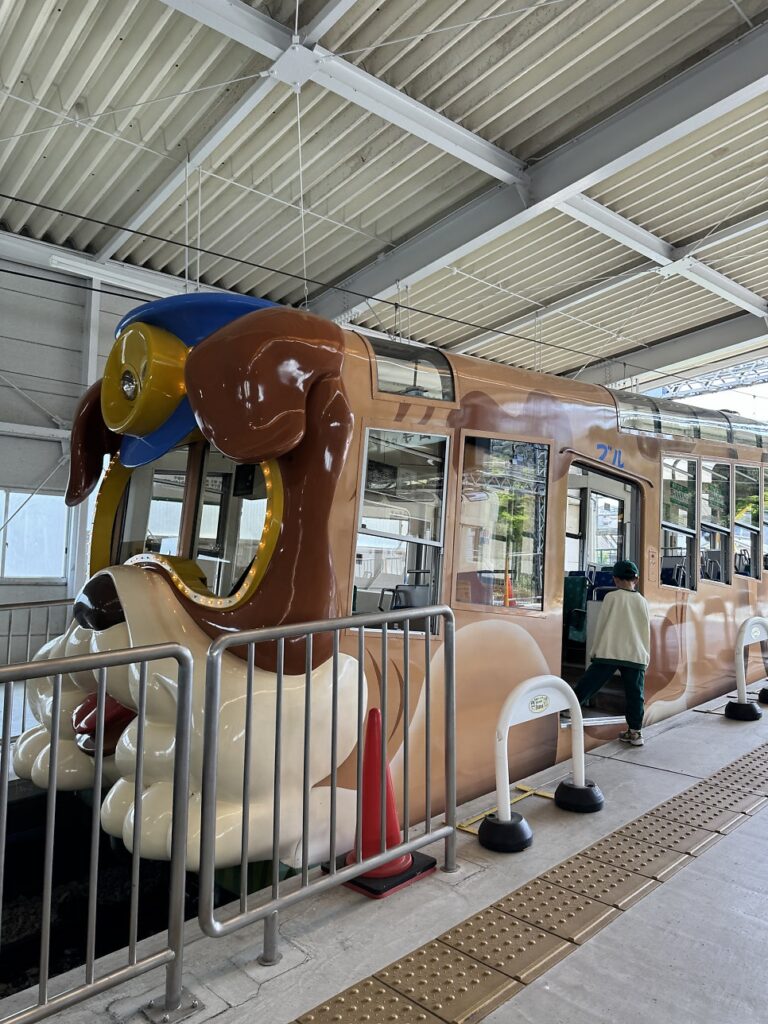
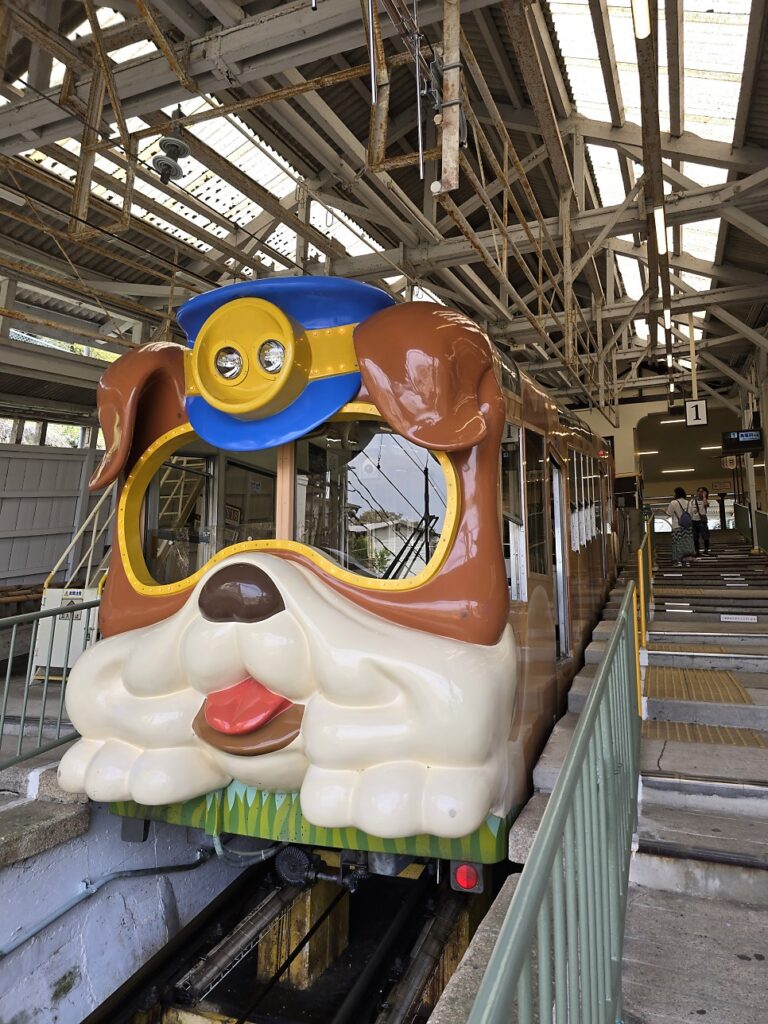
Yans loved the cute dog car. Dog and cat cars run alternately.
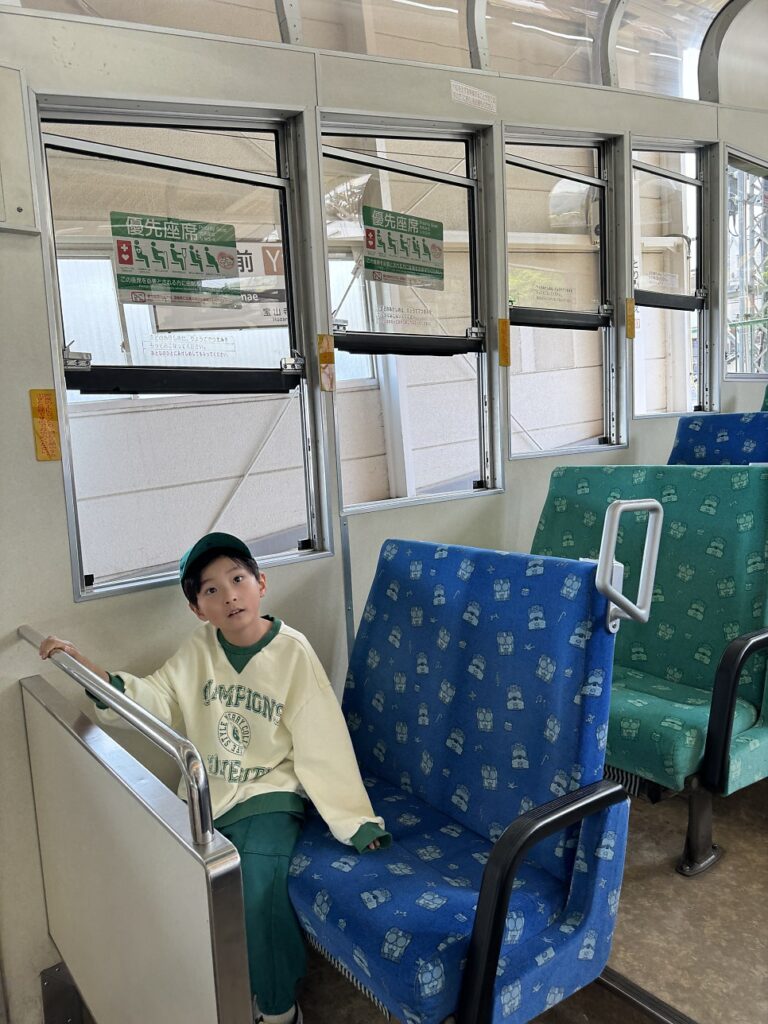
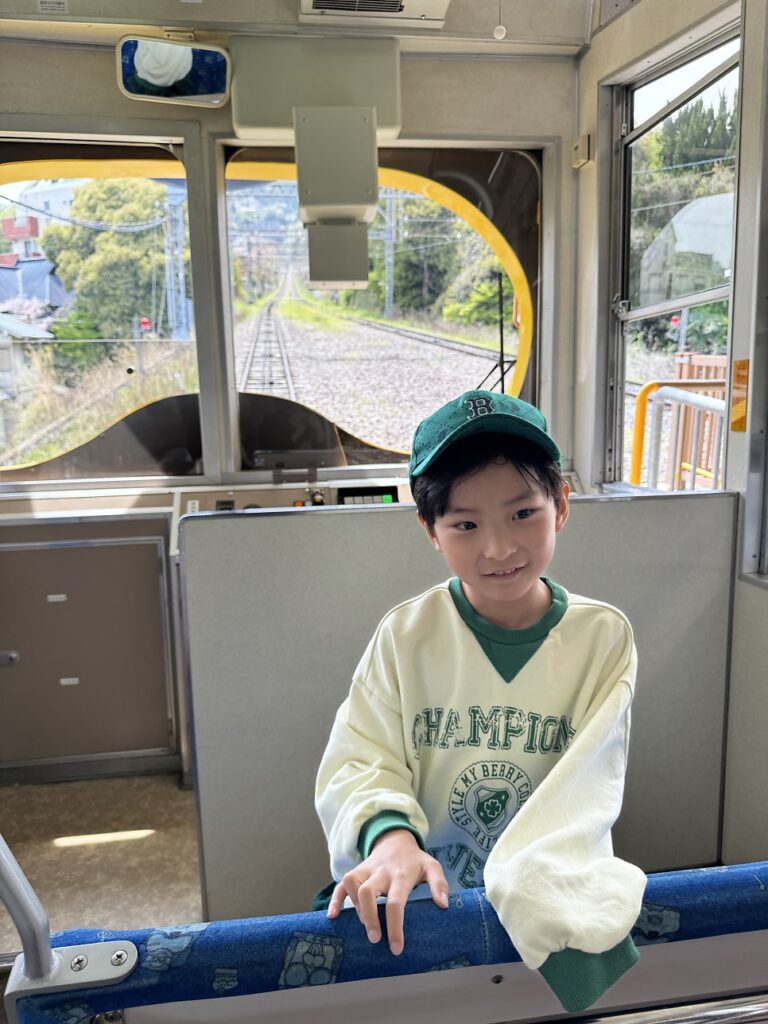
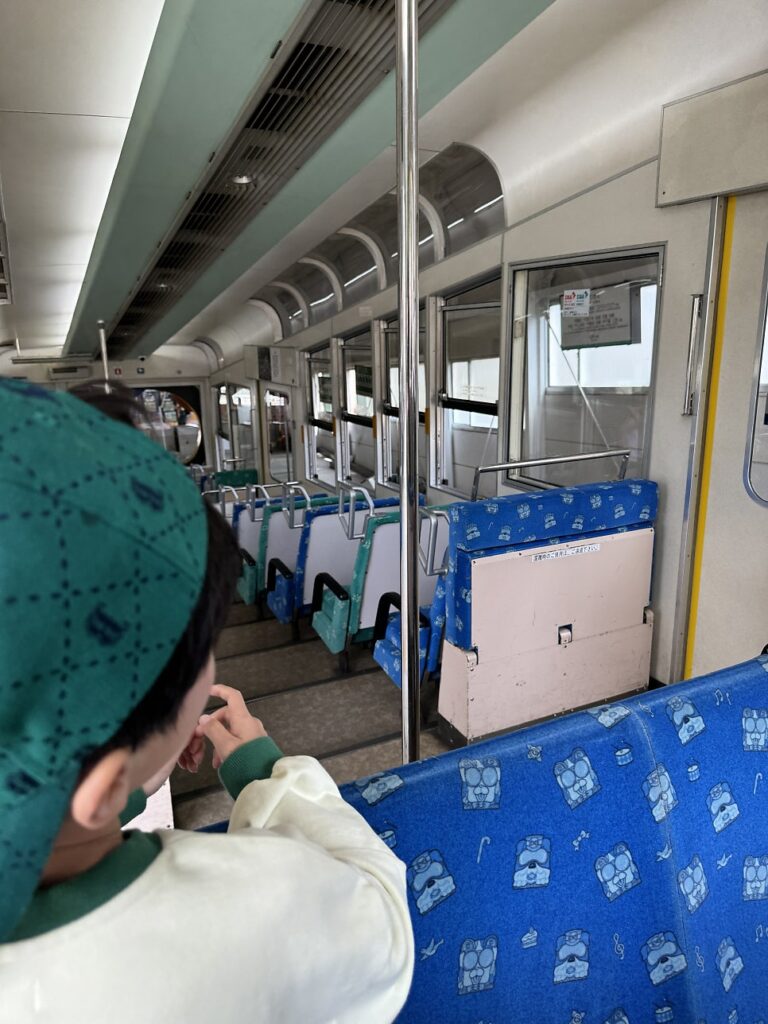
There are plenty of seats, and it filled up by departure time, a sign of how popular it is with locals.
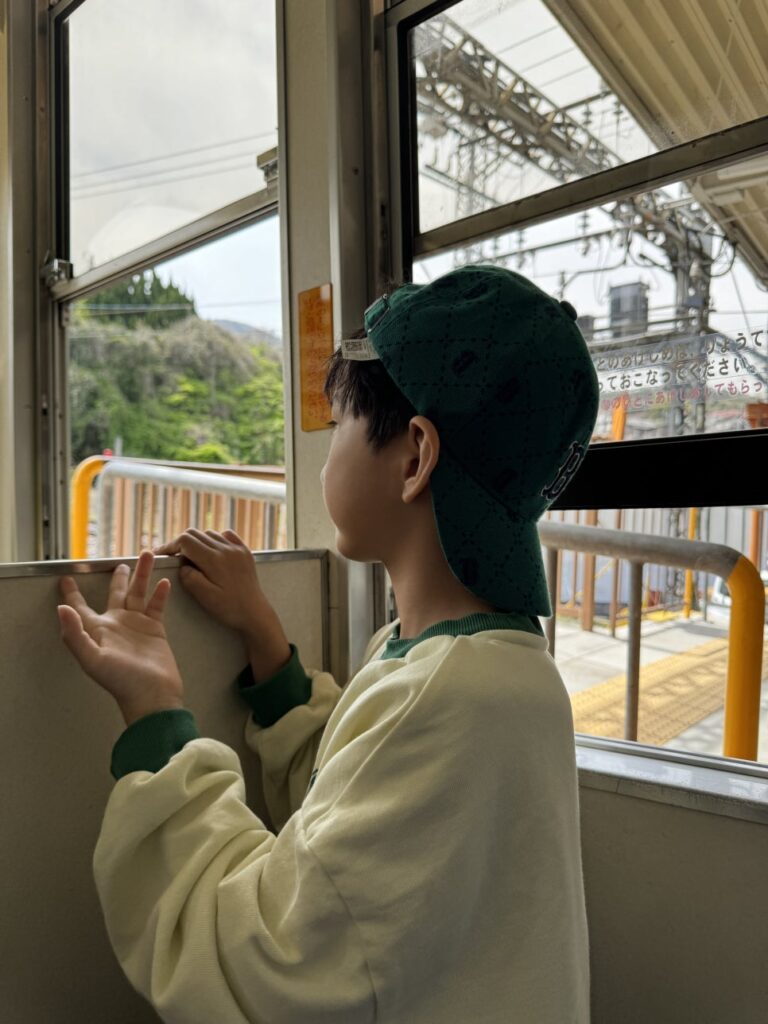
We also saw the cat car coming down, and Yans said he wants to ride it next time.
Hozanji Approach
We thought the cable car went straight to the top, but you change at Hozanji Station partway up. Hozanji is a place I want to keep to myself yet also want more people to know about.
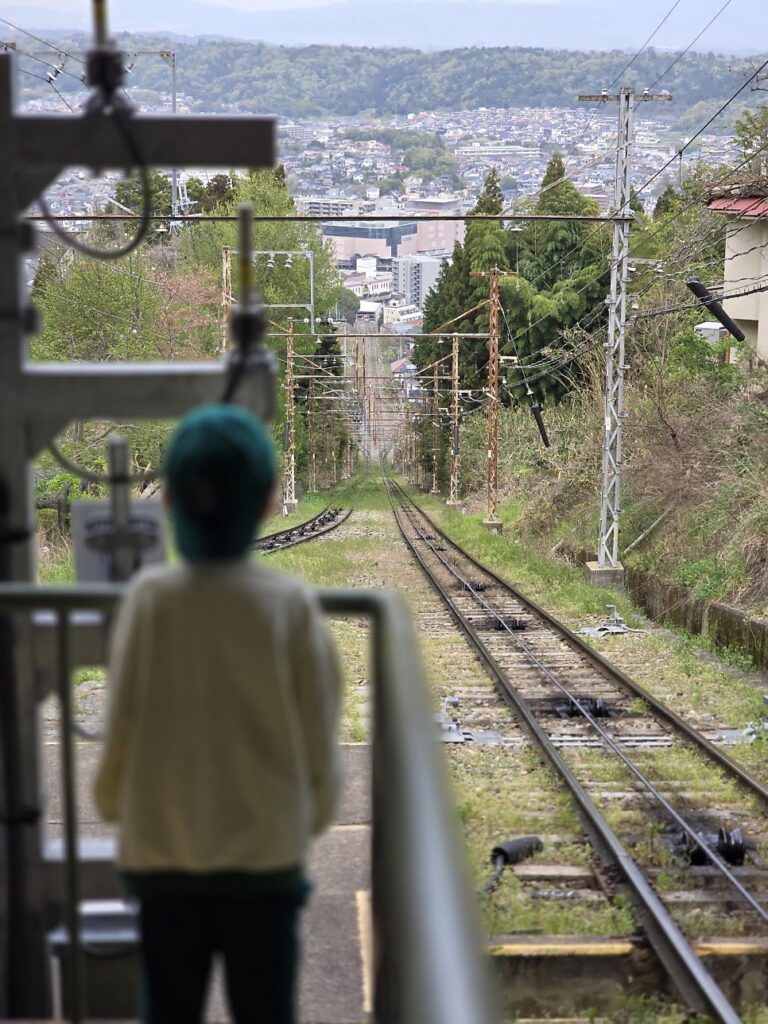
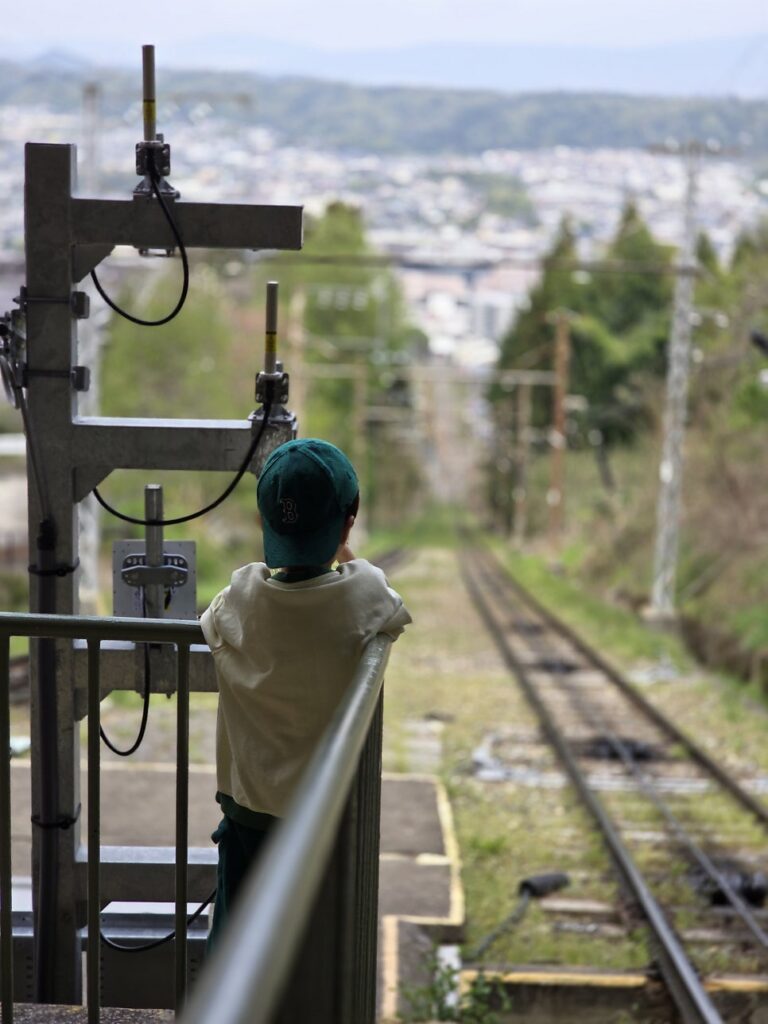
Step off at Hozanji Station and an old-fashioned village appears, with retro coffee shops and a bathhouse.
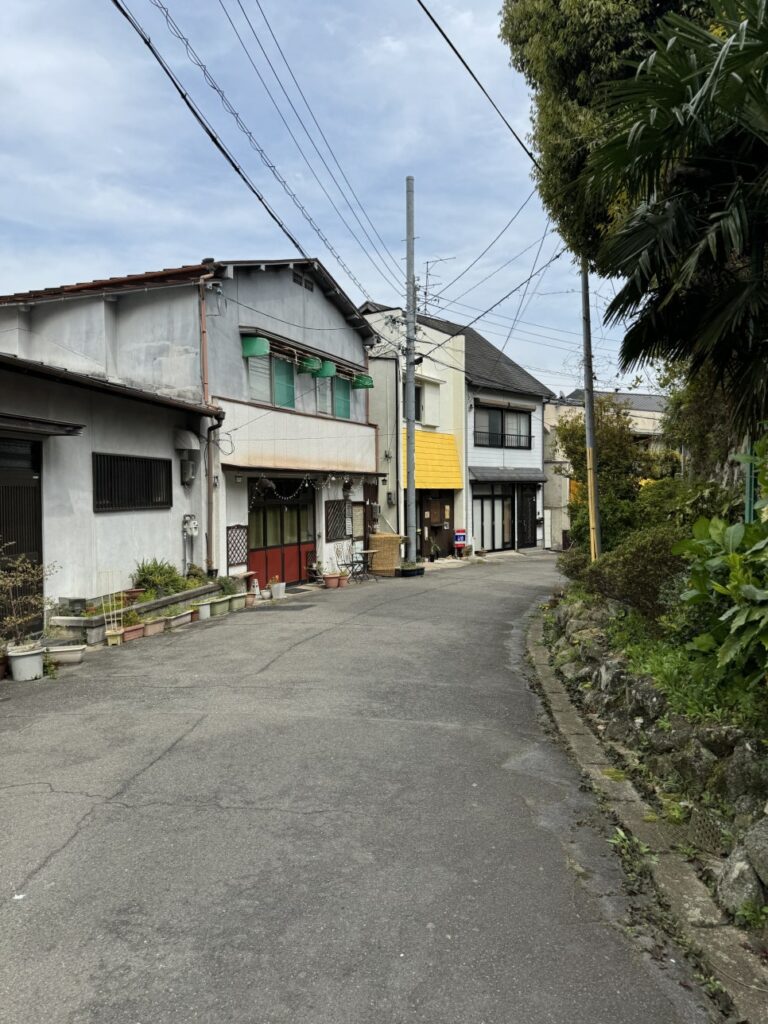
Many shops close on Mondays, and we happened to visit on a Monday, so a lot were shut.
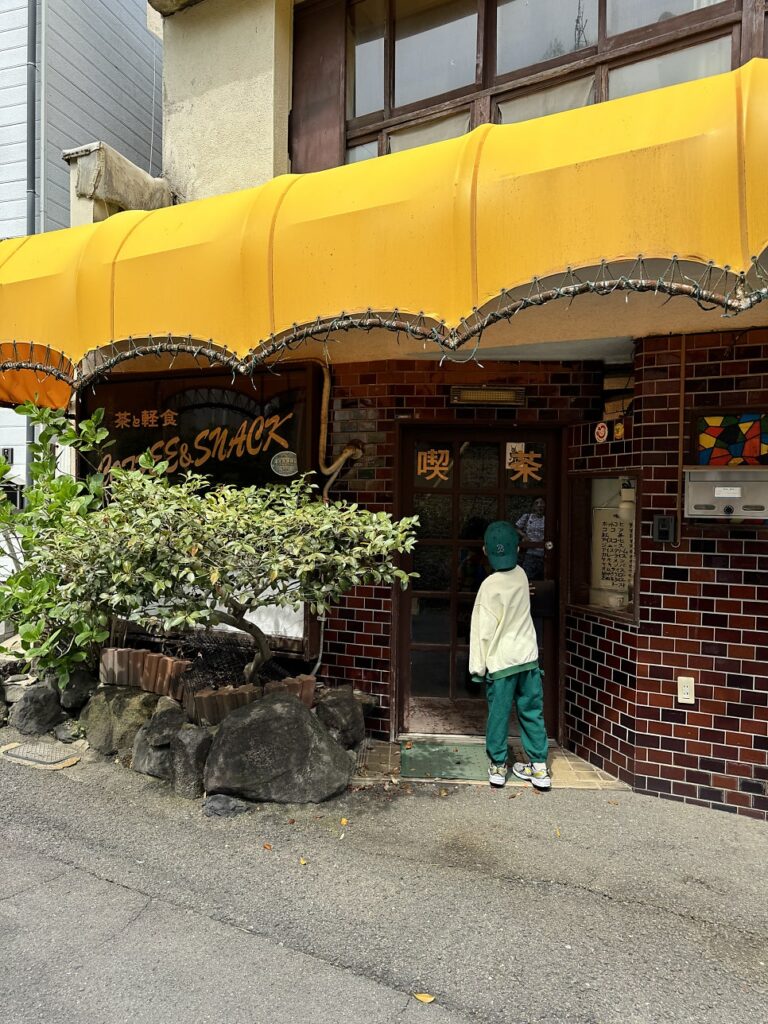
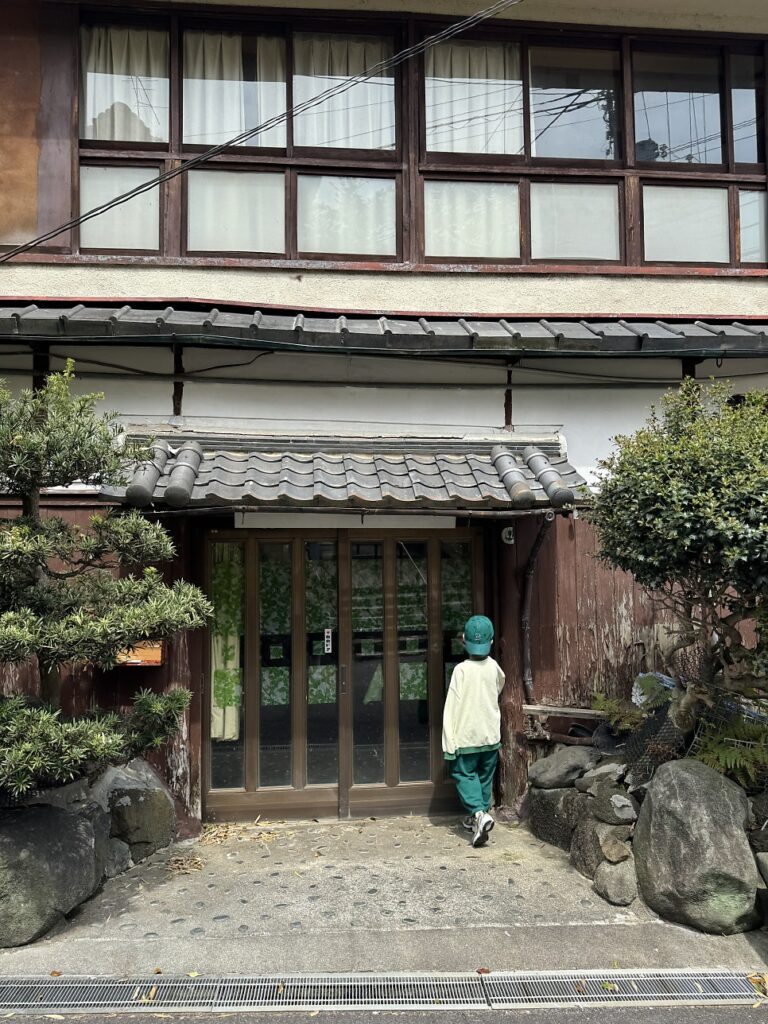
It looks like a scene from a Japanese film, charming and full of 1970s-80s atmosphere.
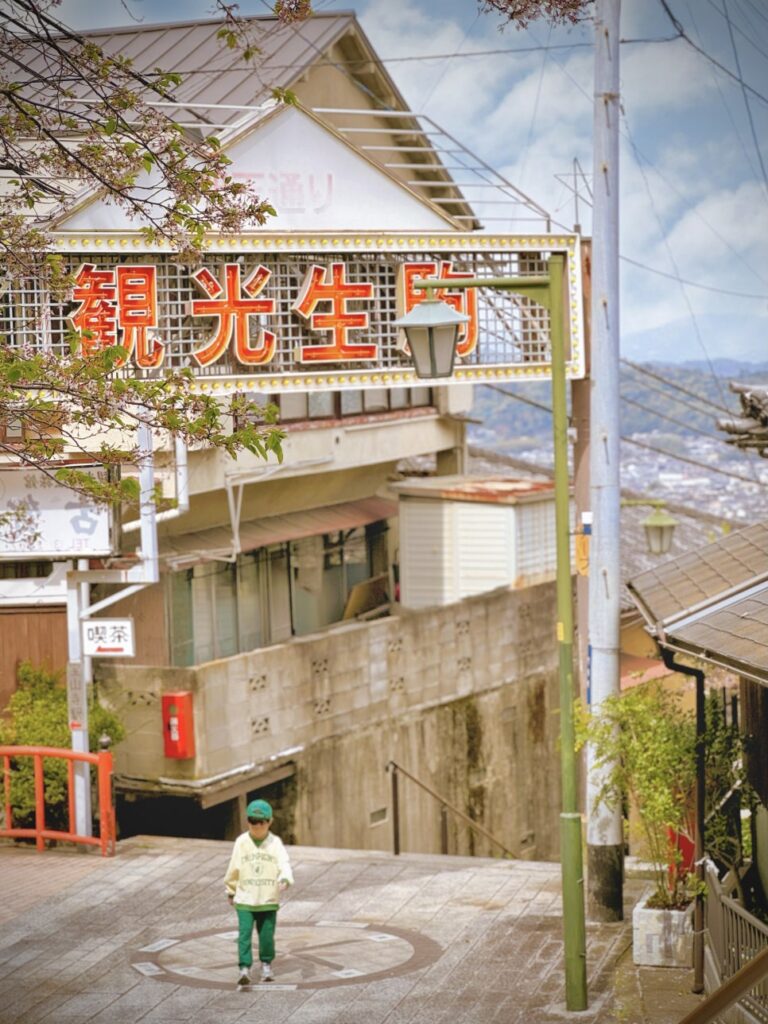
Because the area is in the mountains, cherry blossoms were still blooming on April 15. In early April they should be in full bloom.
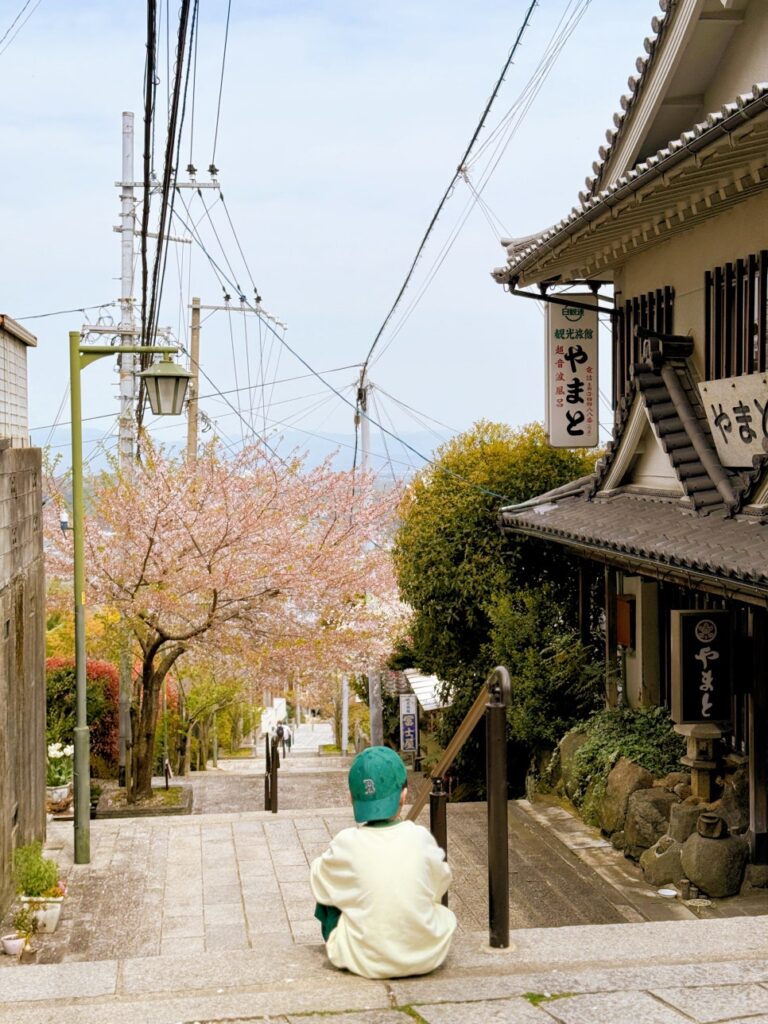
The view of Hozanji from the stone steps.
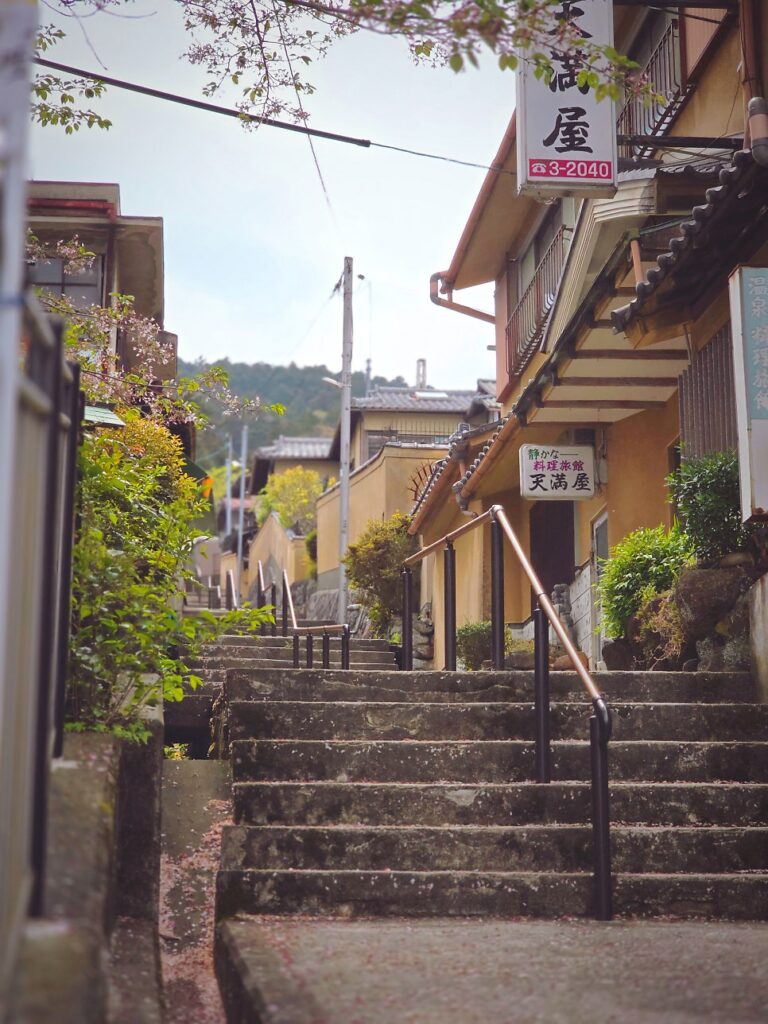
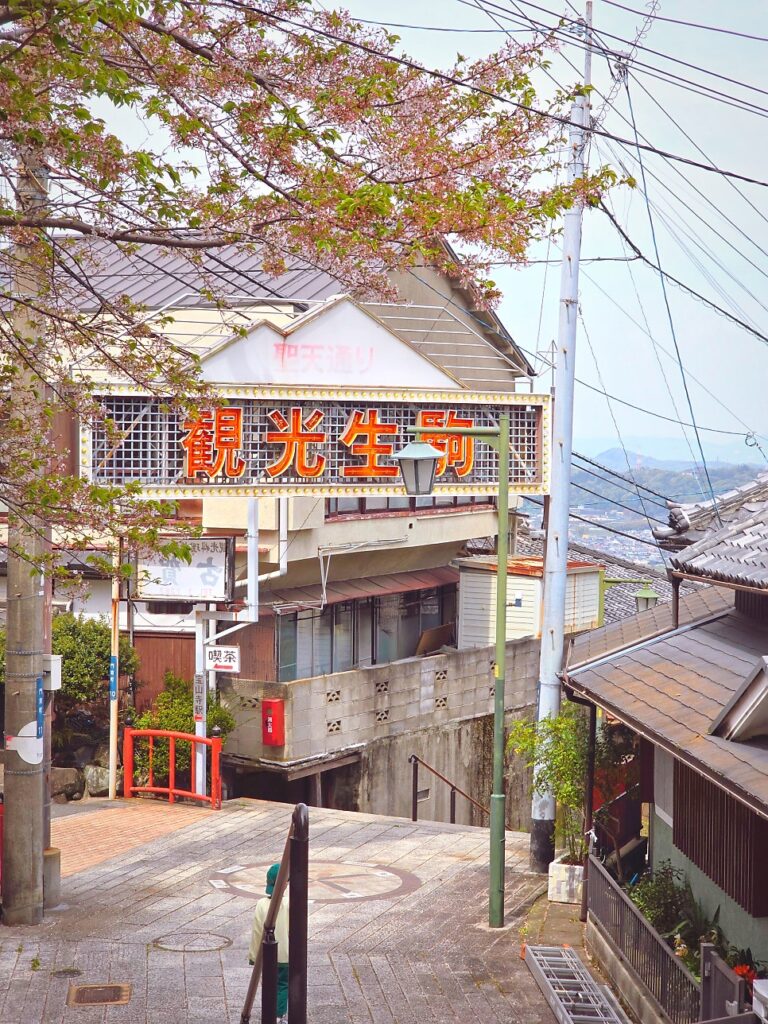
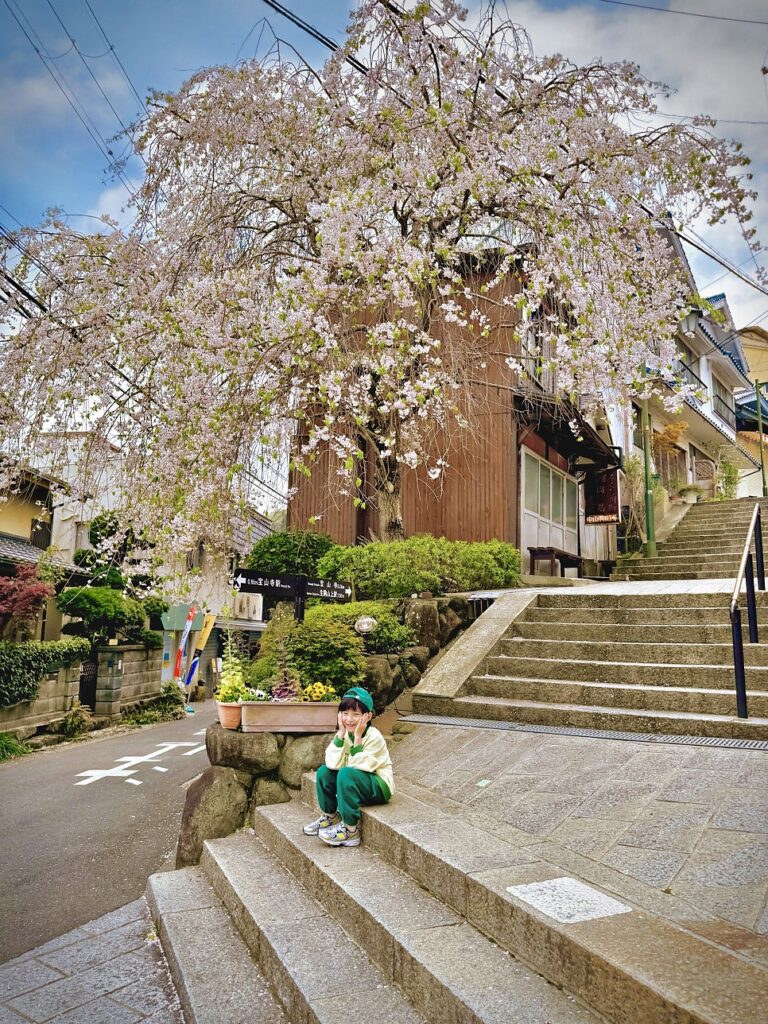
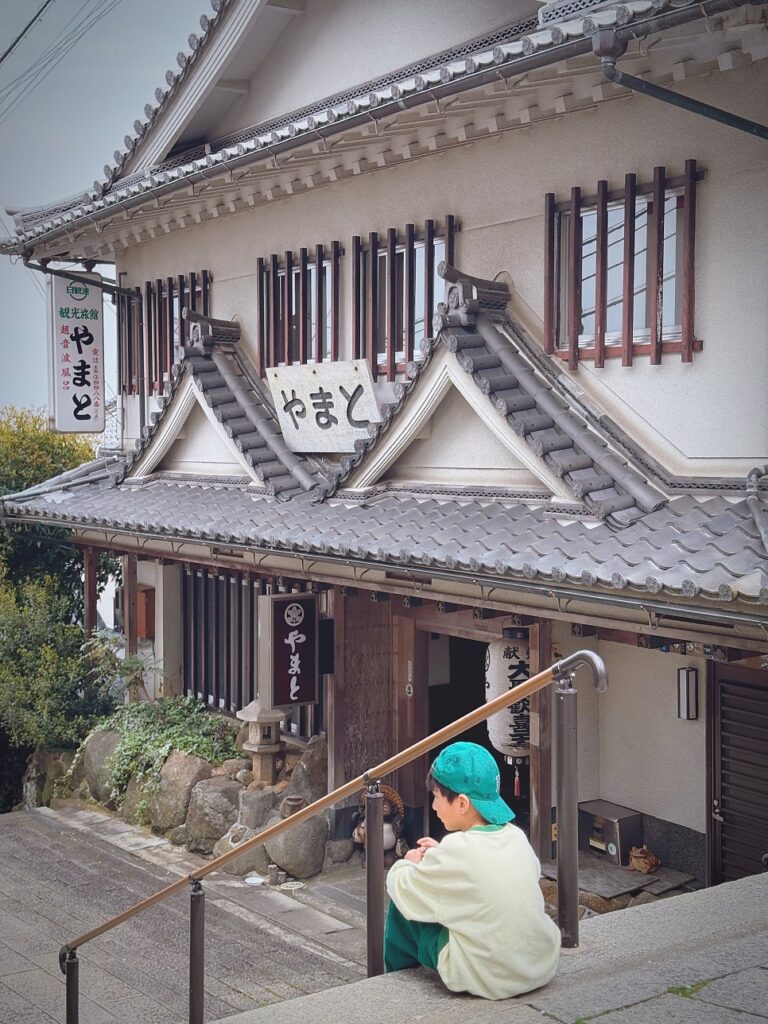
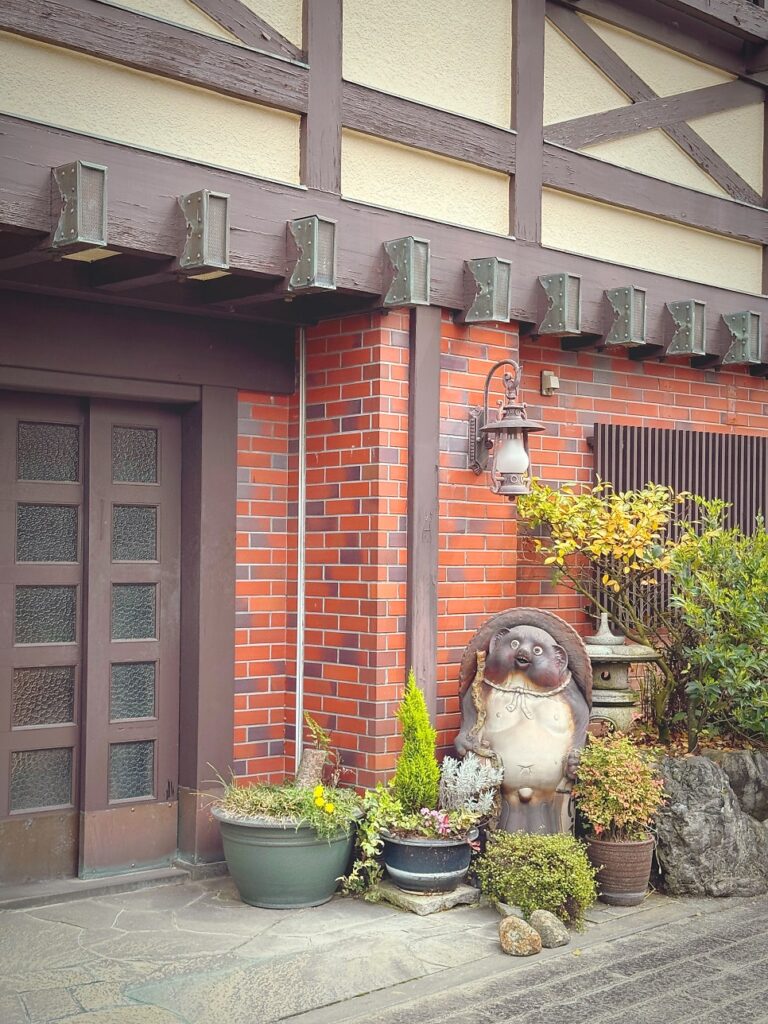
The quiet, rural-feeling Hozanji approach was empty on a holiday, and I wondered what it’s like on other days. It reminded me of Yongridan-gil in Seoul, and of the alley in the opening scene of Spirited Away.
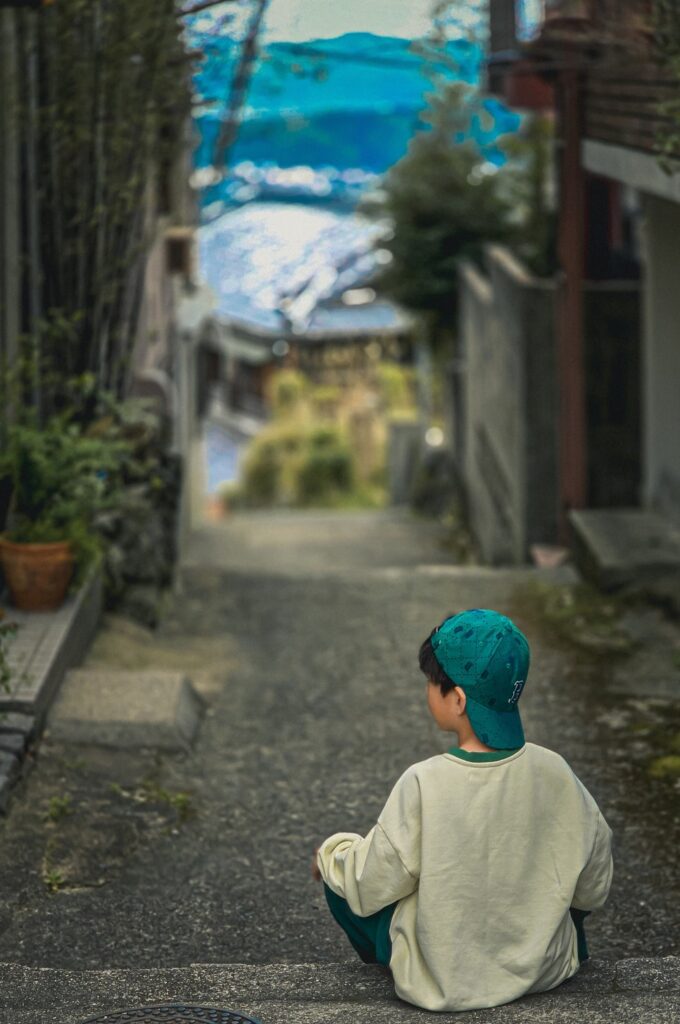
After exploring, we returned to Hozanji Station for the cable car.
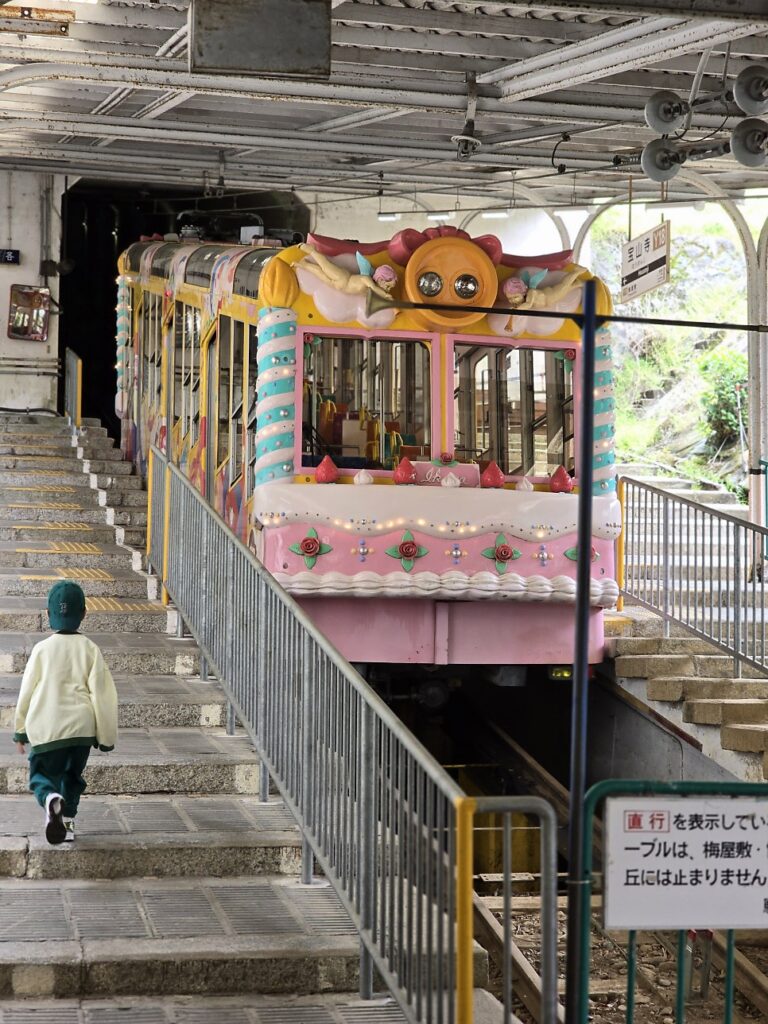
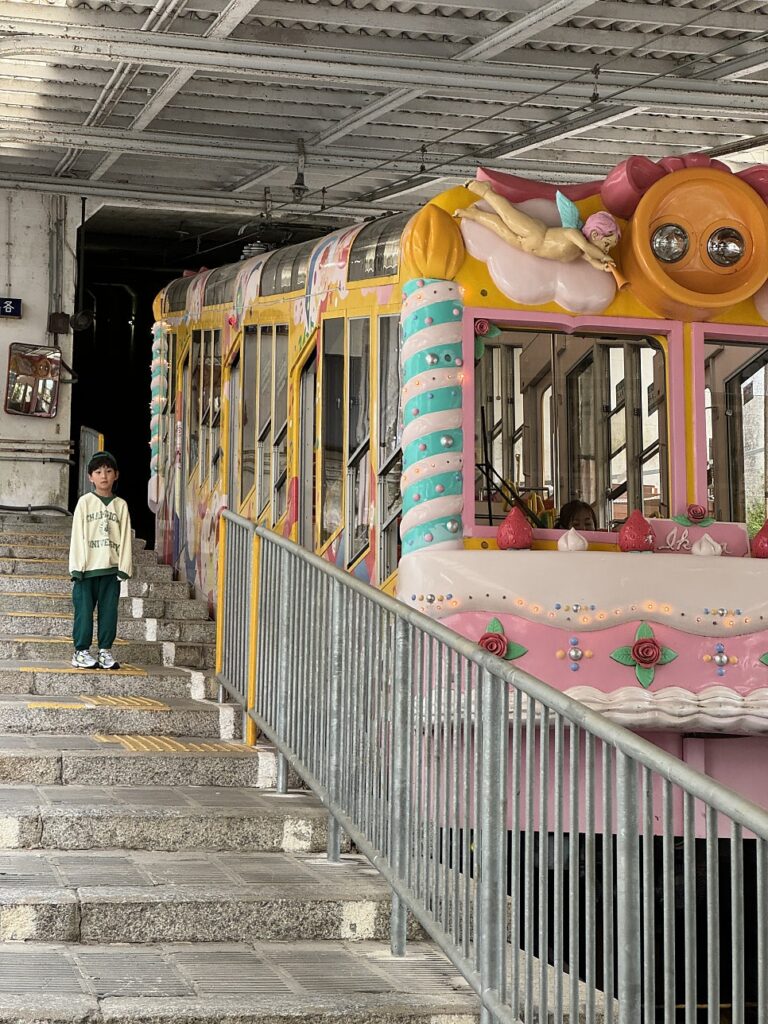
Ride the dog car once from the bottom and the squirrel car once from Hozanji, and you reach Ikoma Sanjo Amusement Park.
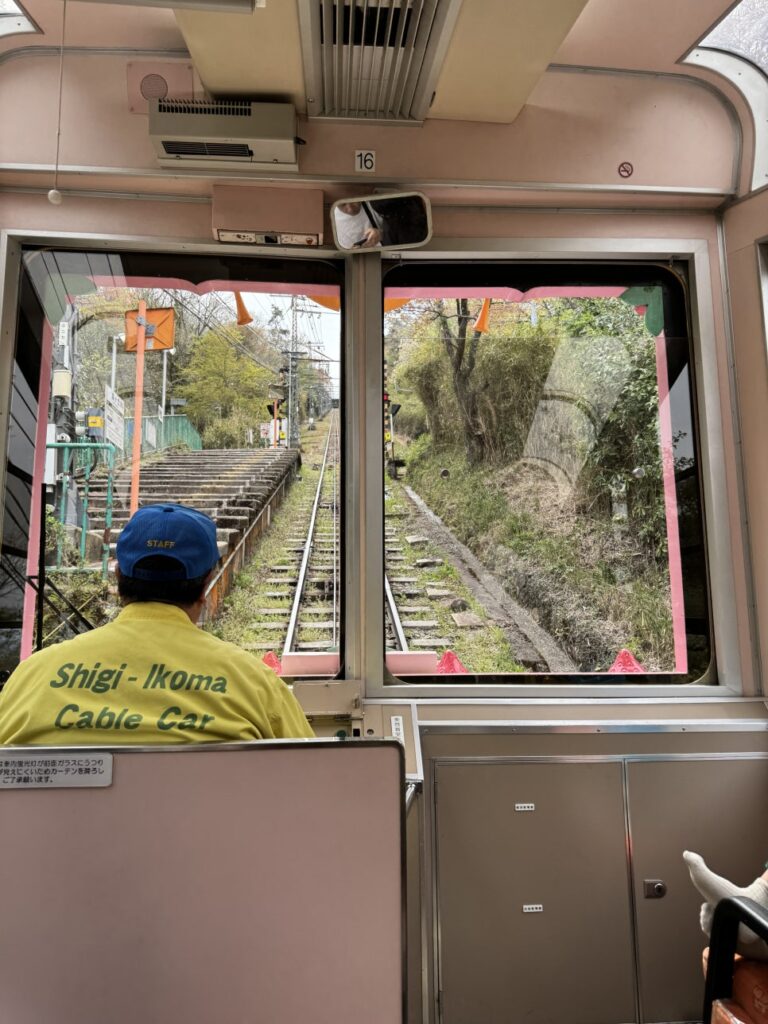
Ikoma Sanjo Amusement Park, high in the mountains, is covered by the Kintetsu Rail Pass too. Buy a ticket or show your pass to board the cable car.
4. Ikoma Sanjo Amusement Park
- Hours: 10 a.m. to 5 p.m., closed Thursdays (may vary by season)
We arrived at Ikoma Sanjo Amusement Park. Entry is free; you buy tickets for rides.
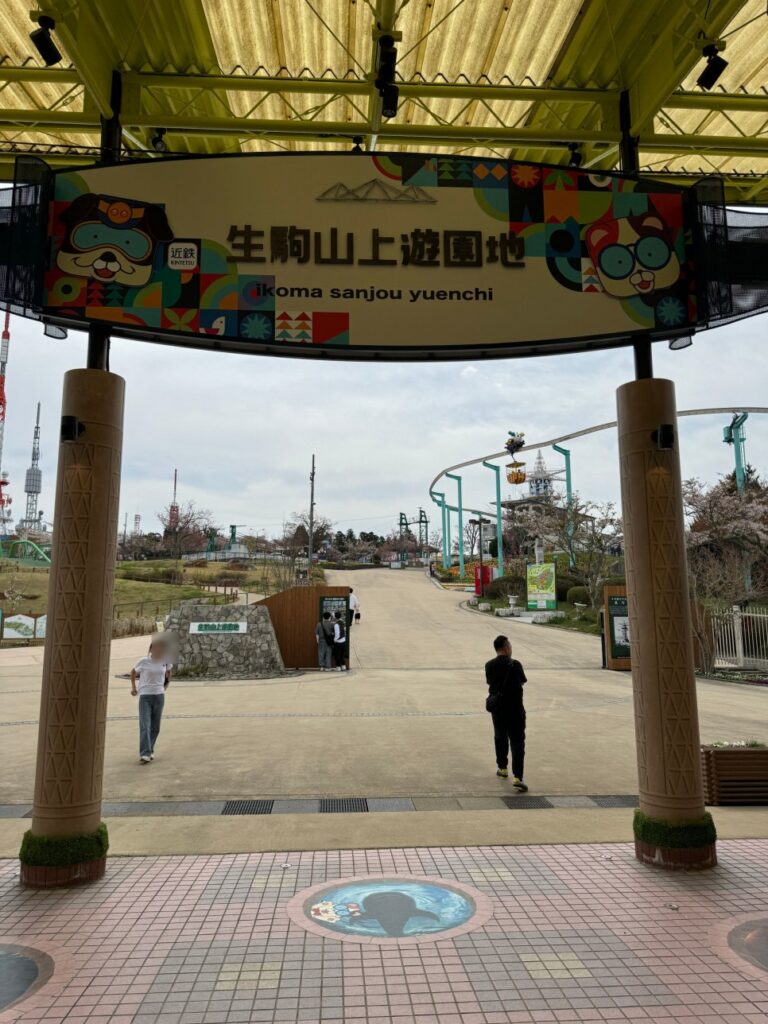
Run by Kintetsu Leisure Service, this small park opened in 1929 and is said to have Japan’s oldest operating ride. For a park nearly 100 years old, it’s remarkably well kept.
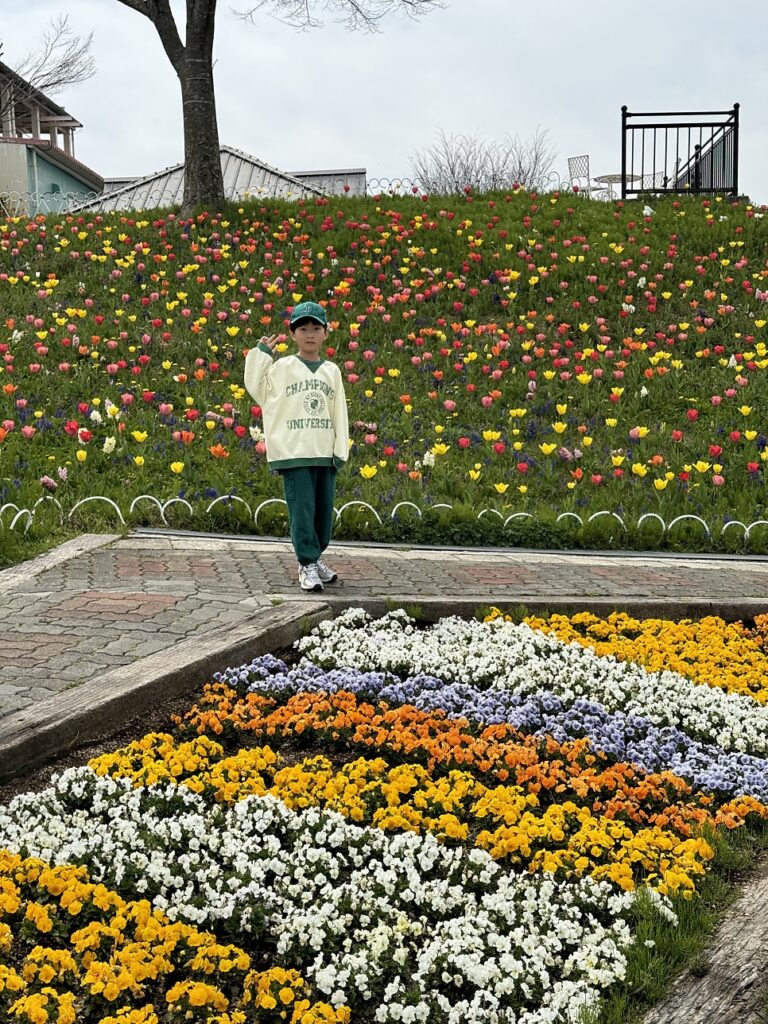
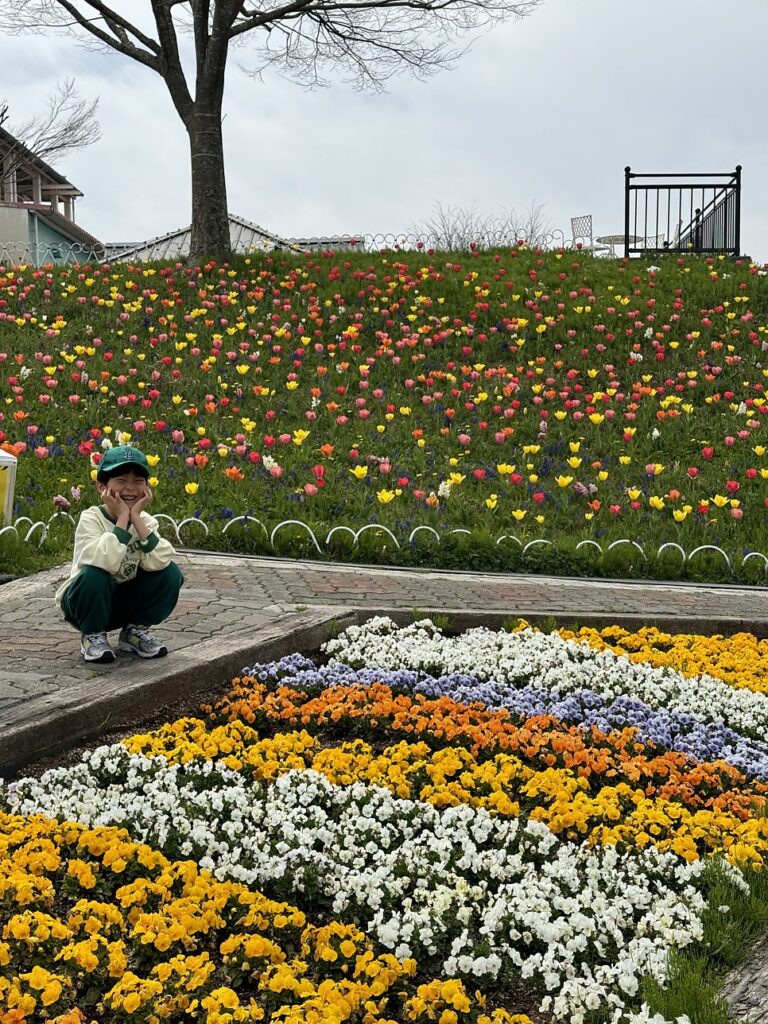
The first thing you see is a flower garden, and the tulips were especially beautiful.
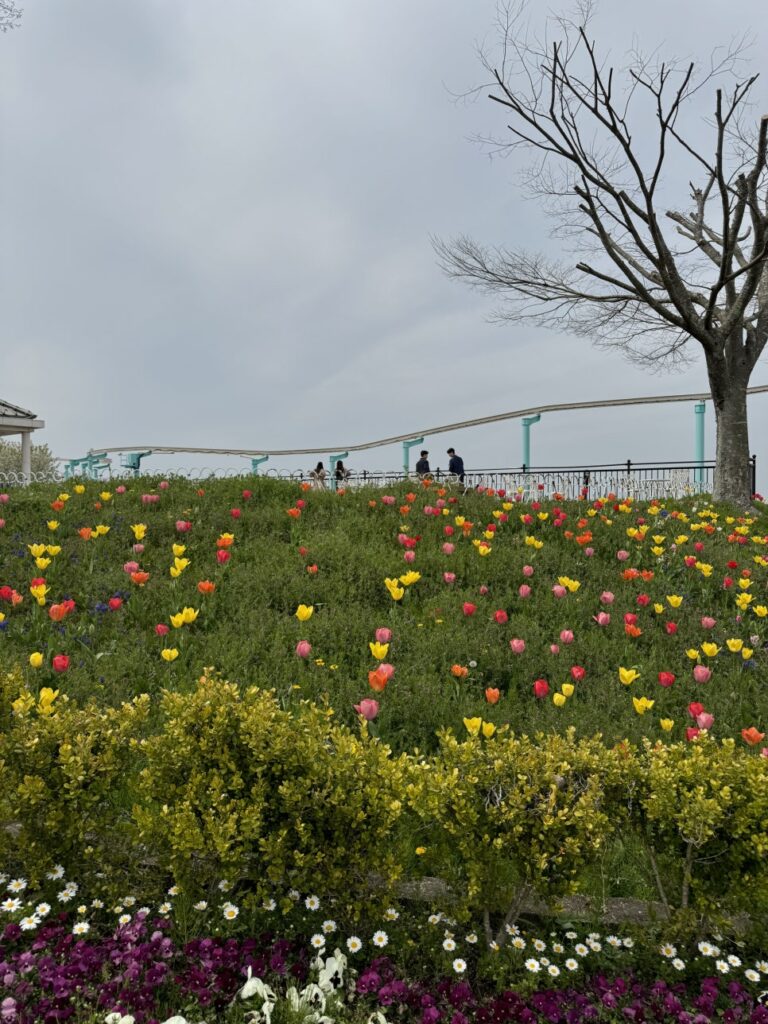
I wanted a photo in front of the tulips, but Yans, who is scared of bees, passed.
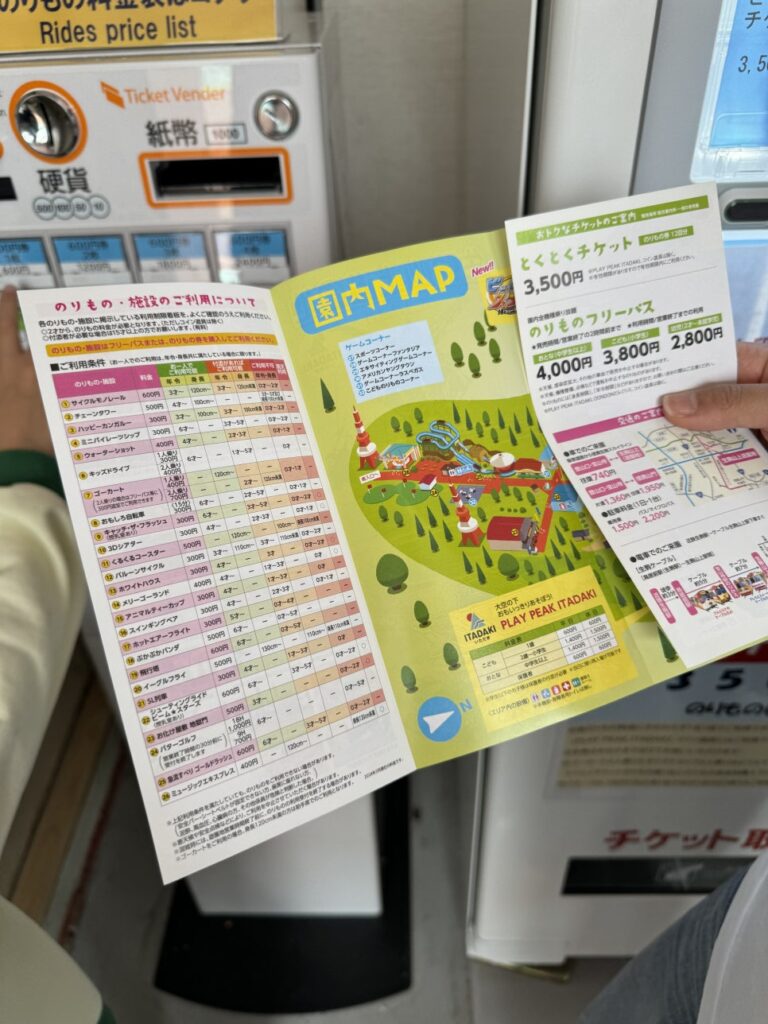
There’s an unlimited-ride pass. As of 2024, it cost 4,000 yen for adults, 3,800 yen for children and 2,800 yen for preschoolers, and a 12-ride ticket was 3,500 yen. You can just look around or pick a ride or two; single rides cost 300 to 600 yen. There were no lines, and every ride was fun and thrilling.
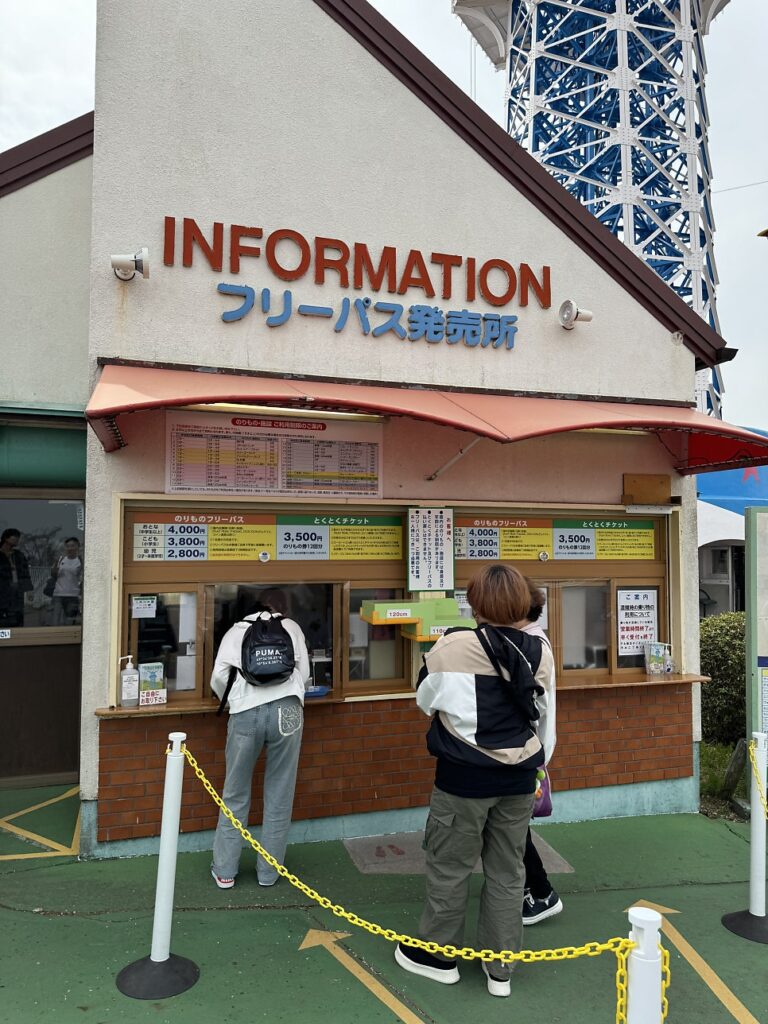
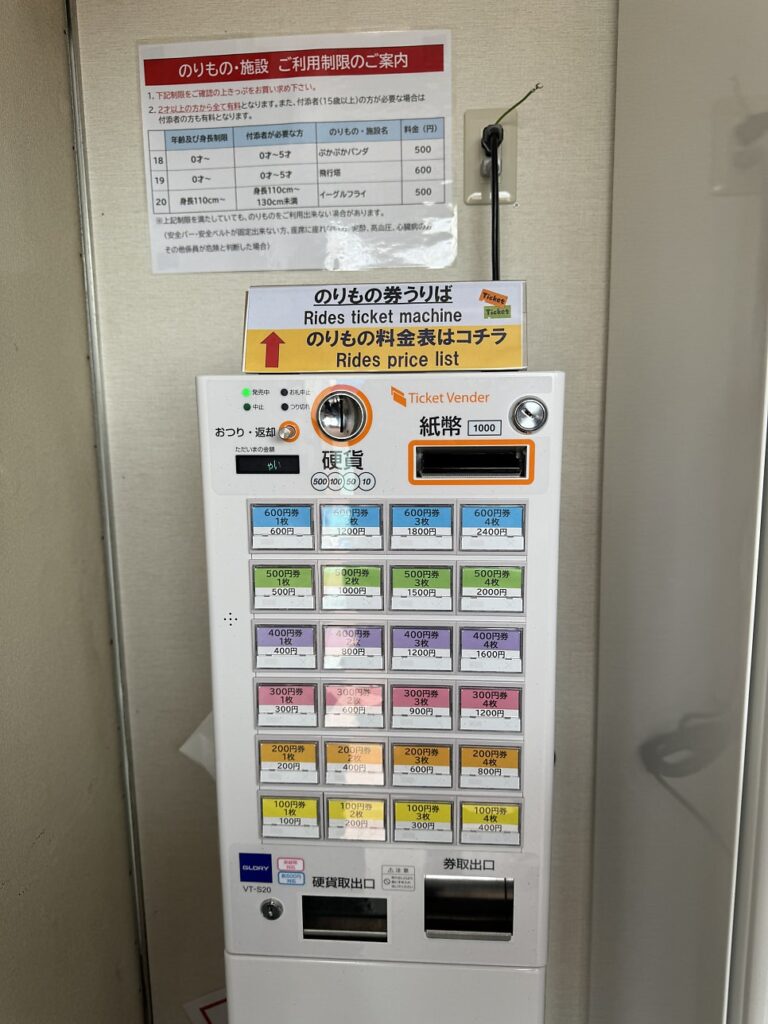
Buy tickets at the counter or vending machines around the park. Being in the mountains, cherry blossoms were still out in mid-April. It was cloudy the day we went, but on a clear day the views must be stunning.
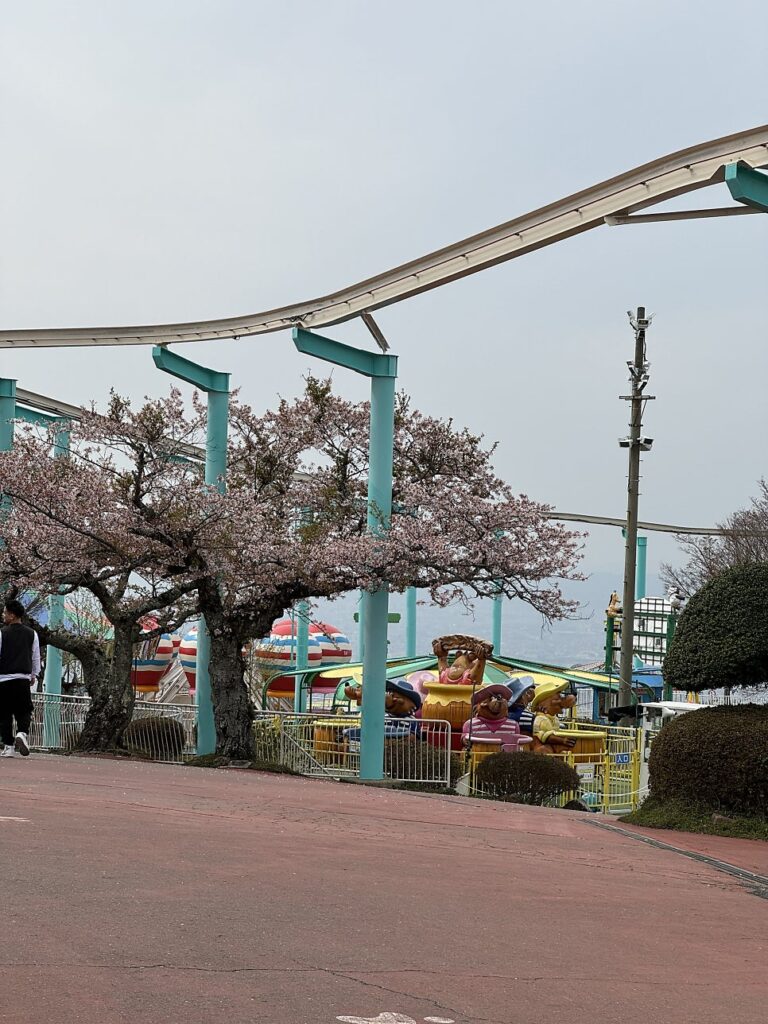
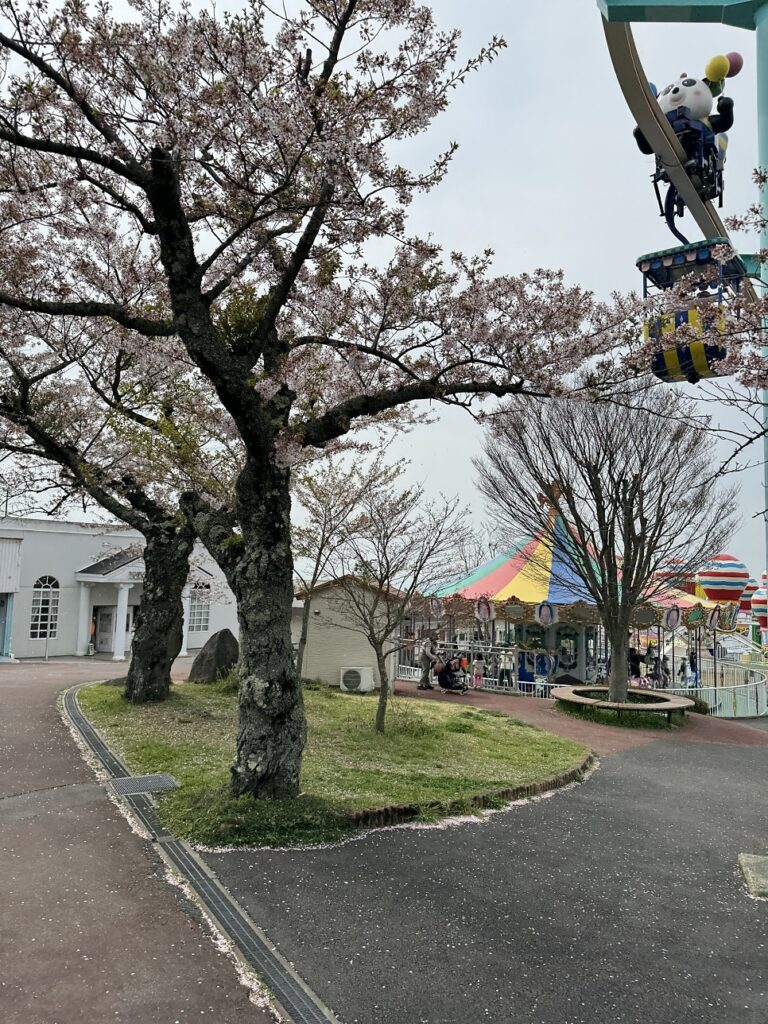
Time for rides. The day before, Yans couldn’t go on much at Universal Studios Japan because of the crowds and scary rides, but here he rode to his heart’s content. Preschoolers and young kids will have a blast.
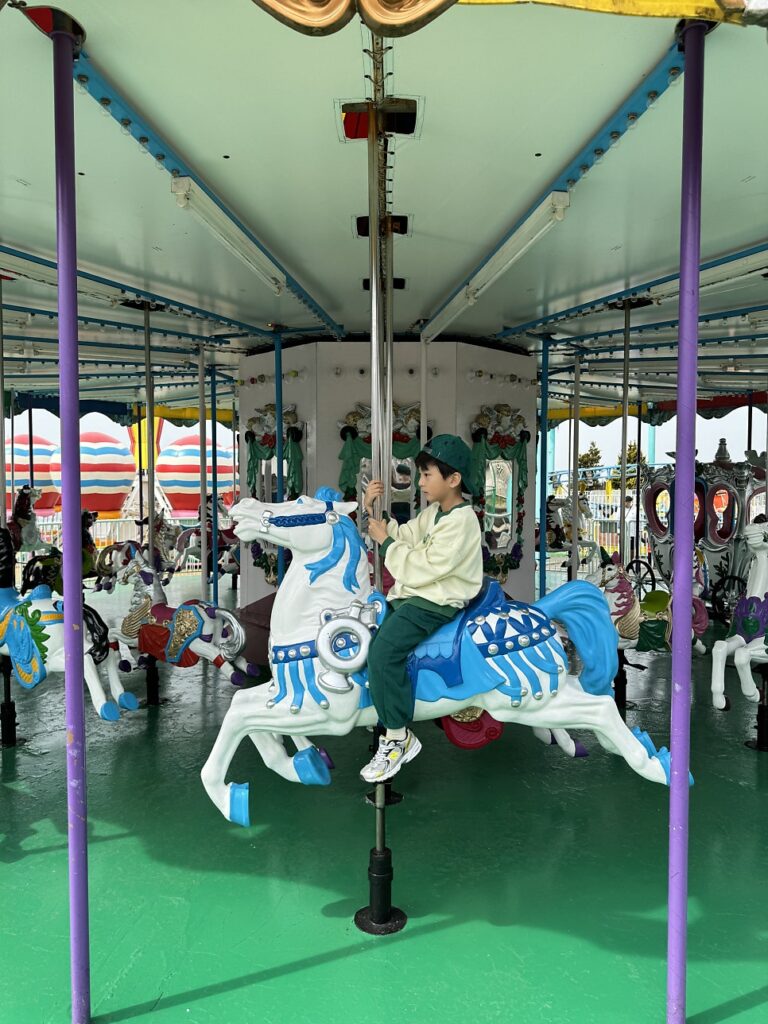
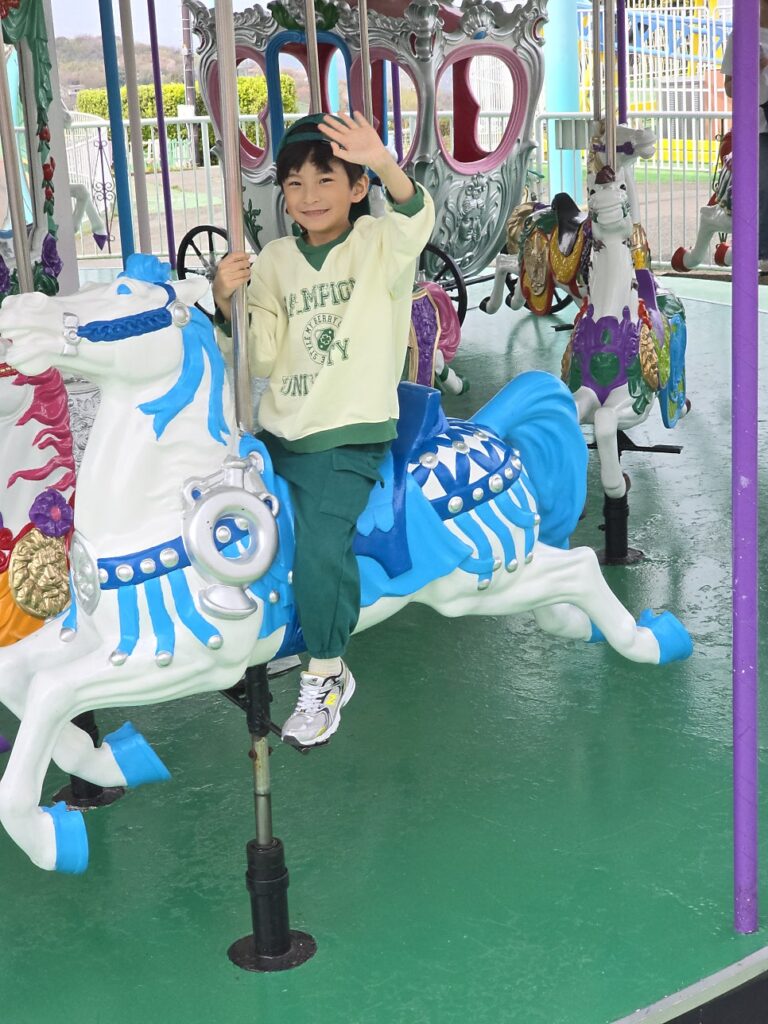
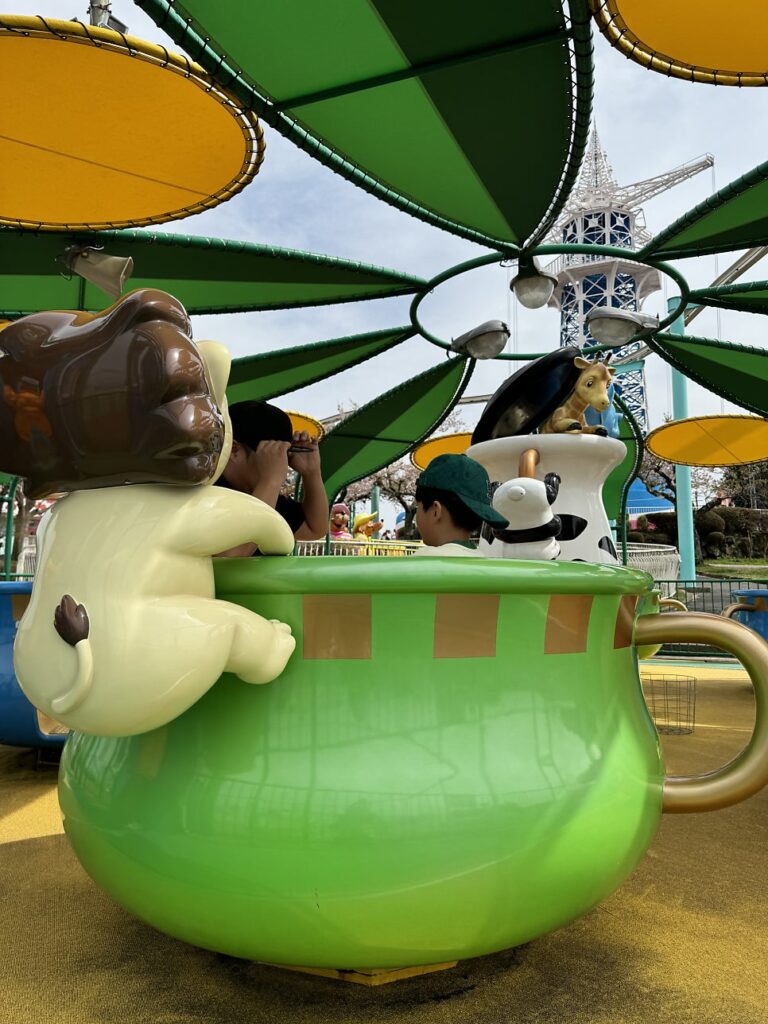
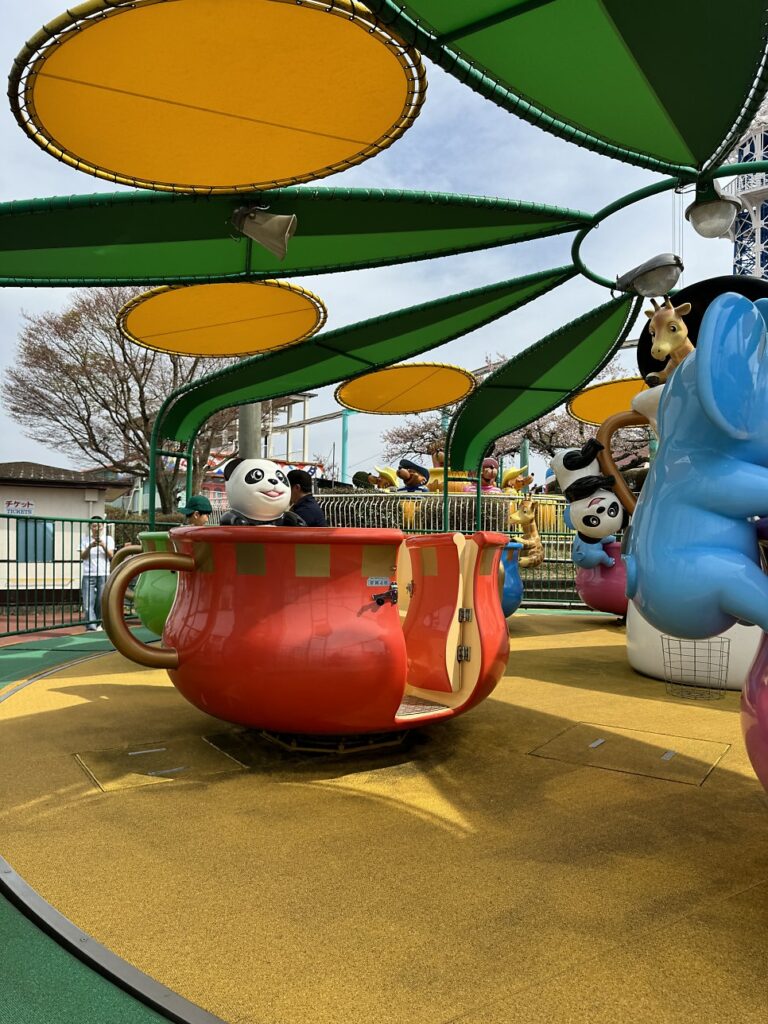
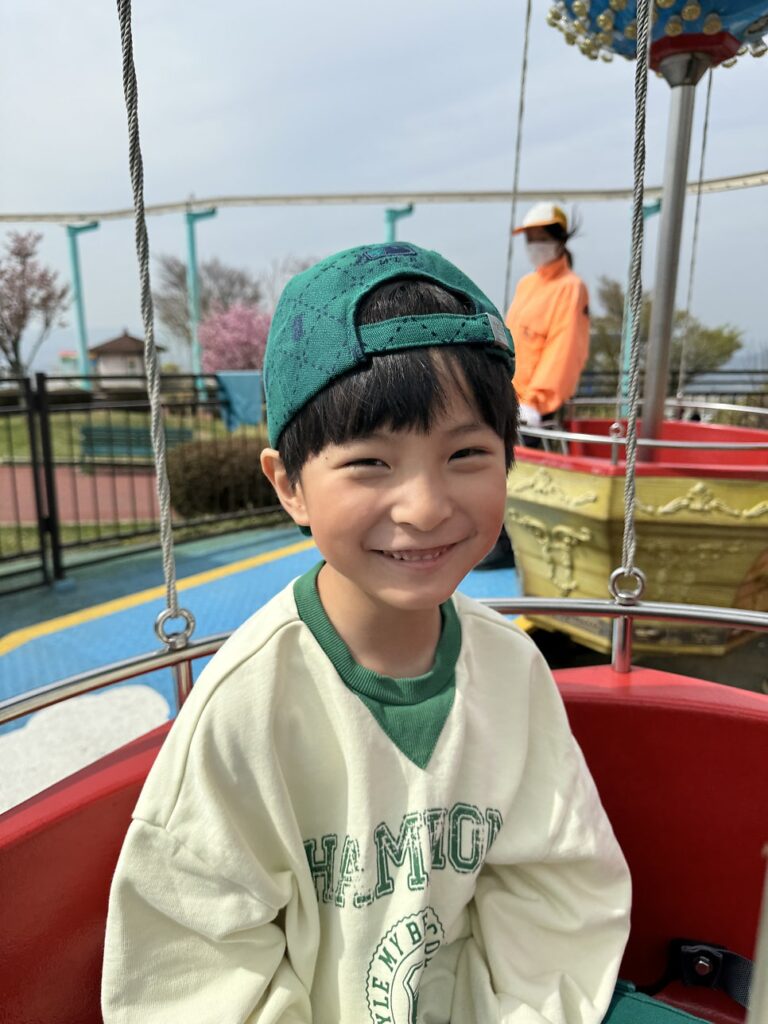
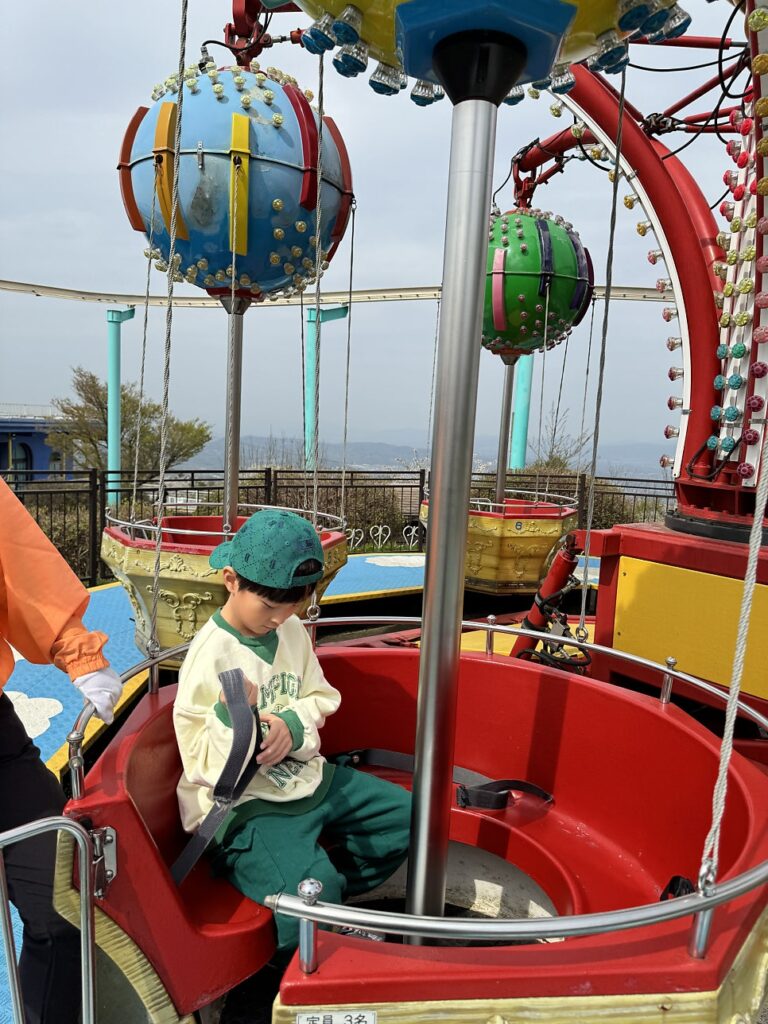
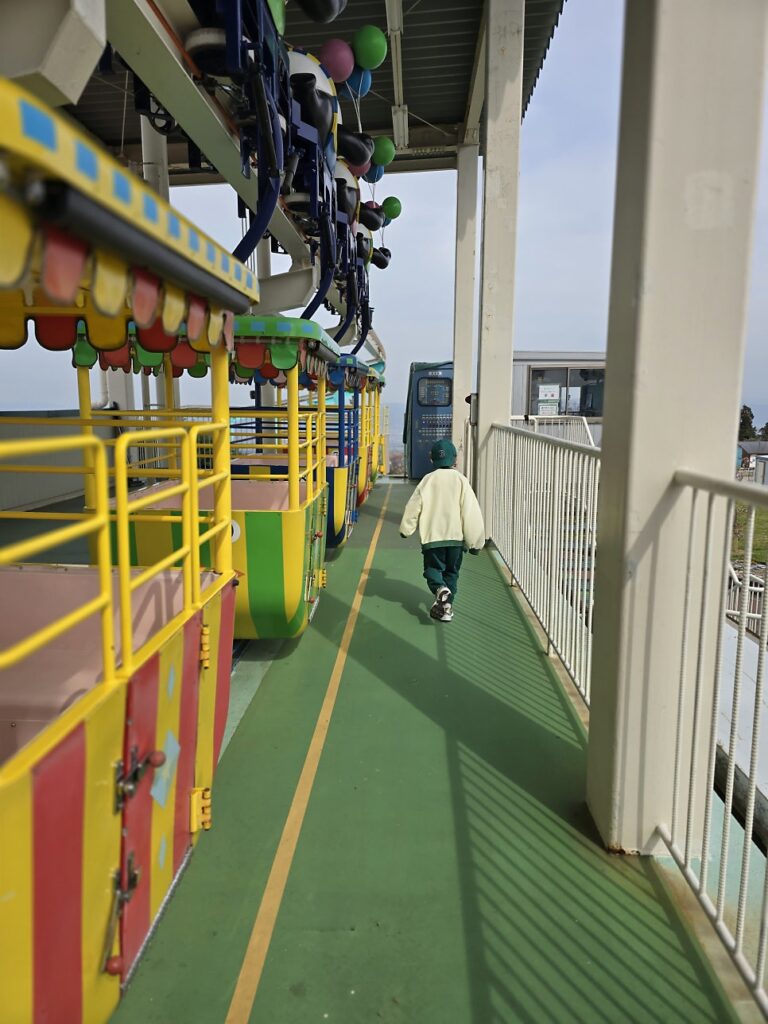

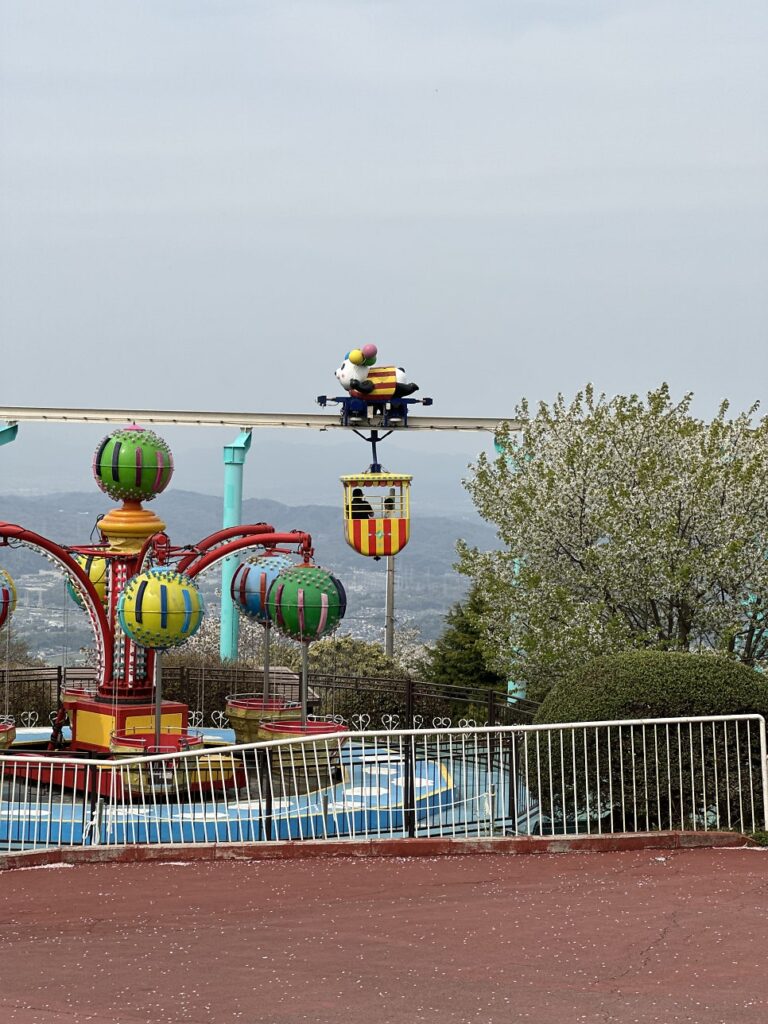
Can you see how much fun he had? He rode the carousel, teacups and the flying sky ride, where views over Osaka and Nara drew gasps.
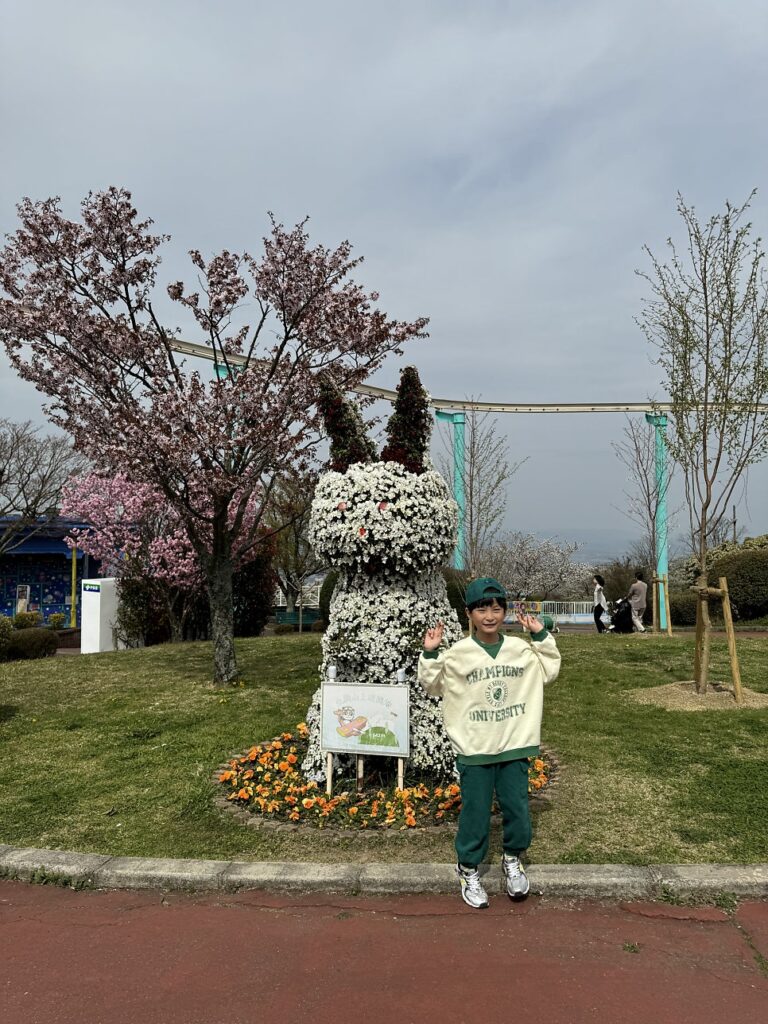
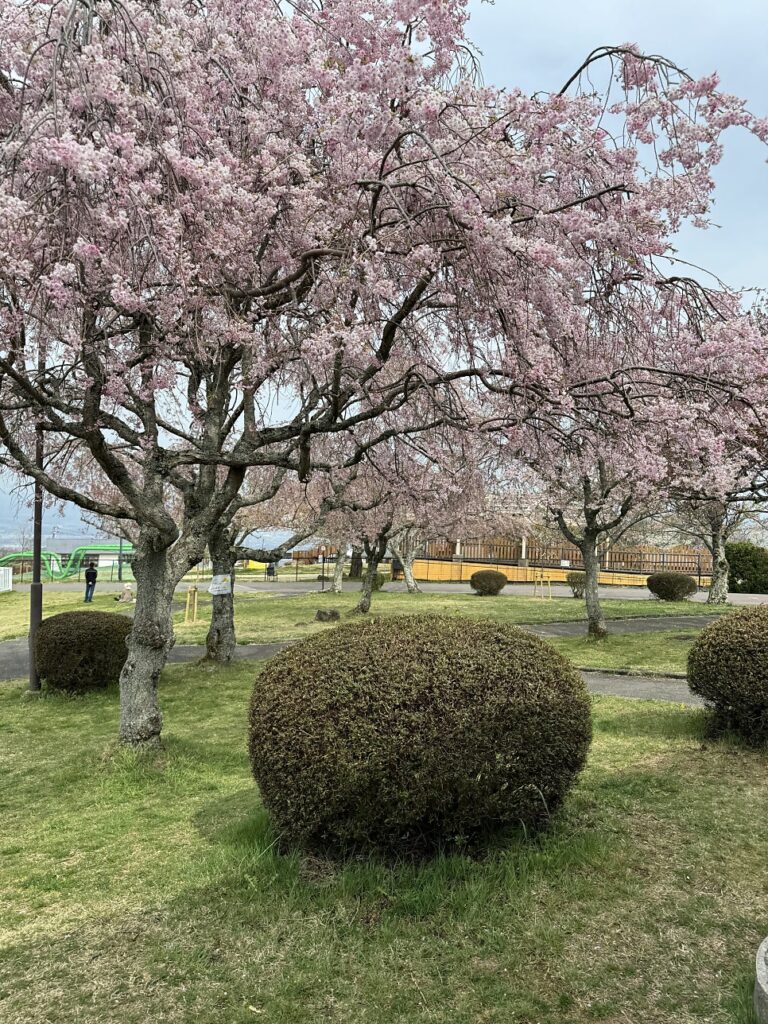
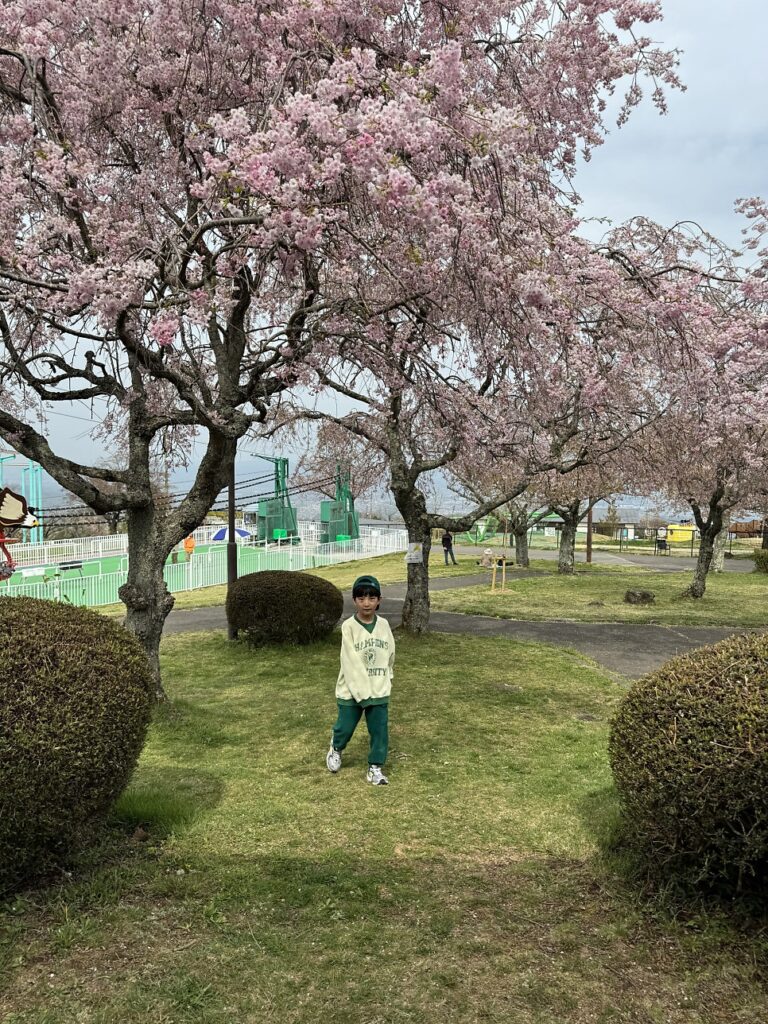
With floral decorations and plenty of flowers and trees, it’s great for photos. Yans’s favorite was a boat ride similar to a log flume.
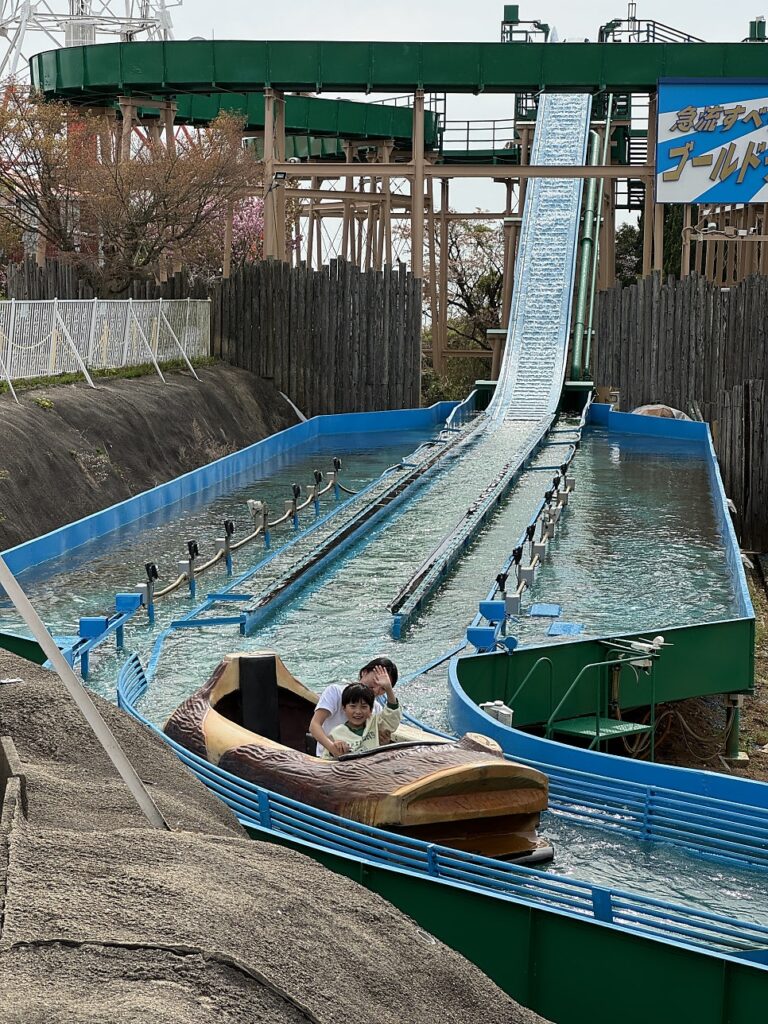
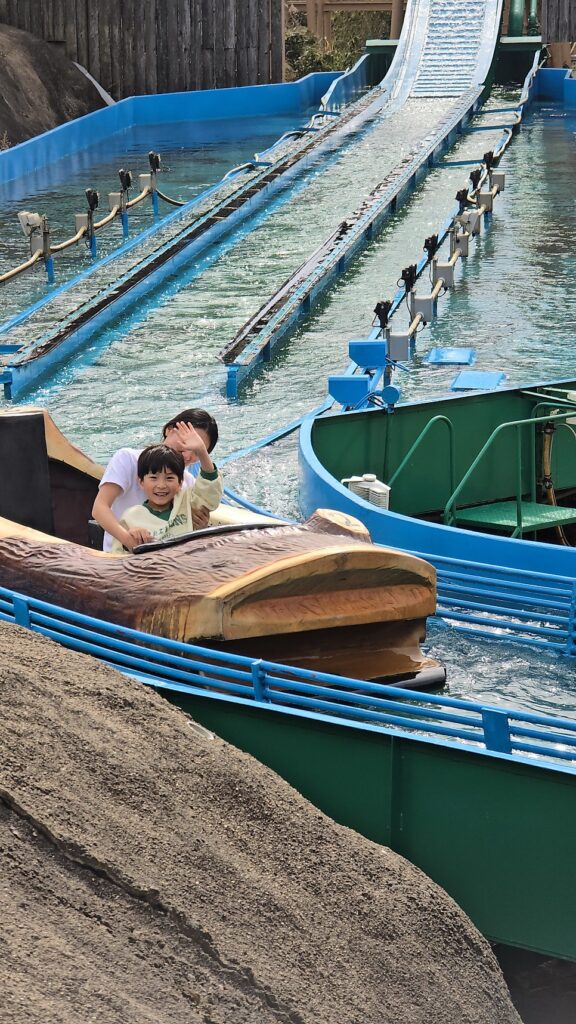
Ride it twice. In Korea you’d wait two hours, but here there was no wait at all.
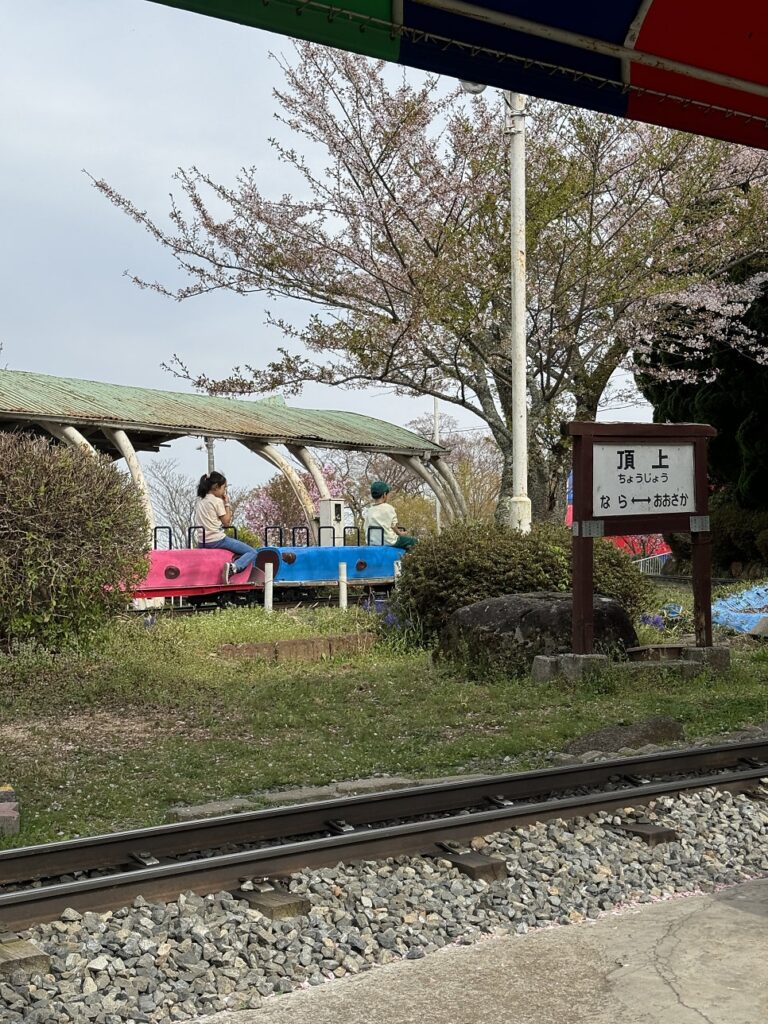
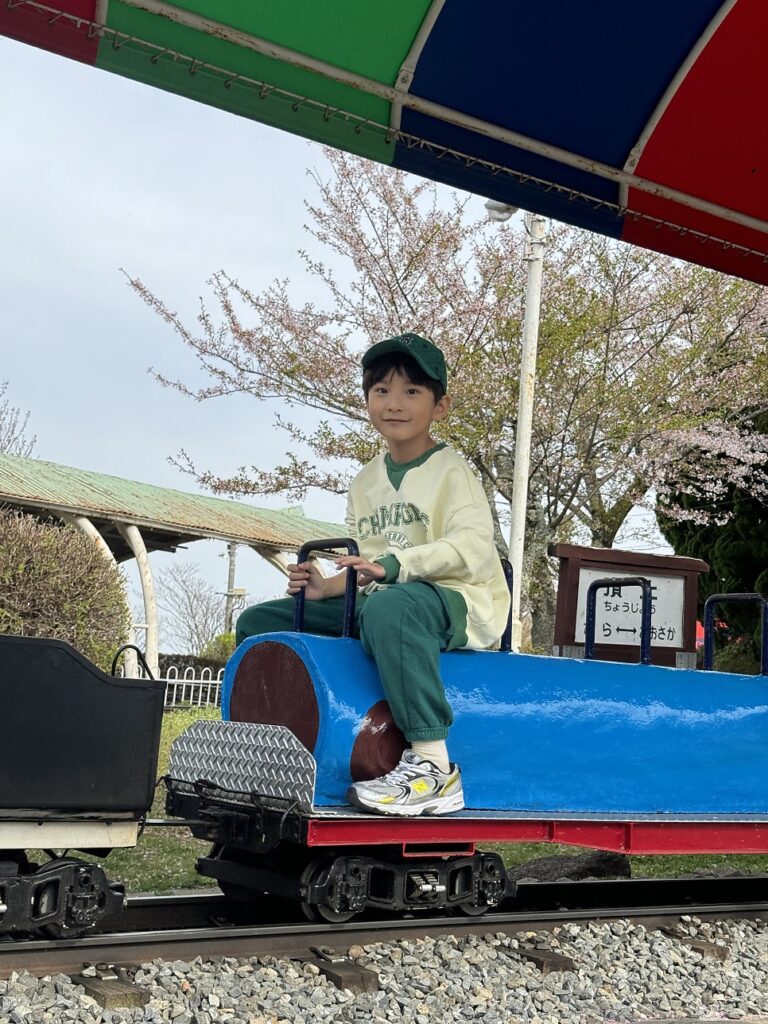
There are rides for adults and lots for toddlers, so it’s great with preschoolers. If your kids love rides, this is a must.
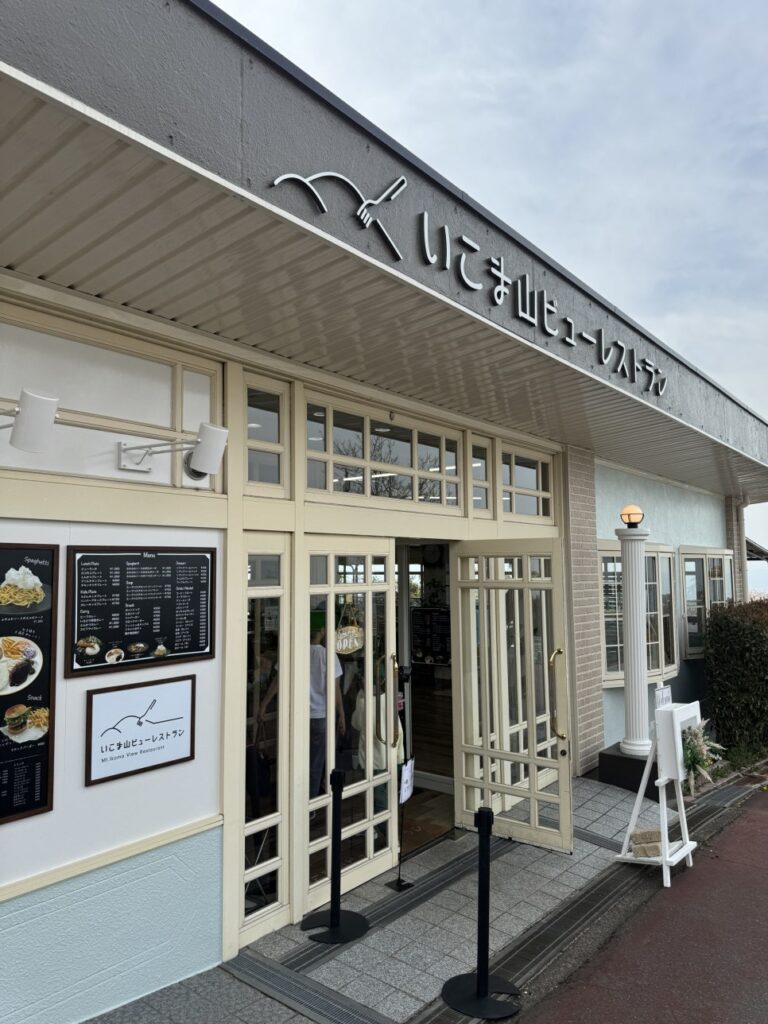
There’s a restaurant inside with a wide range of dishes.
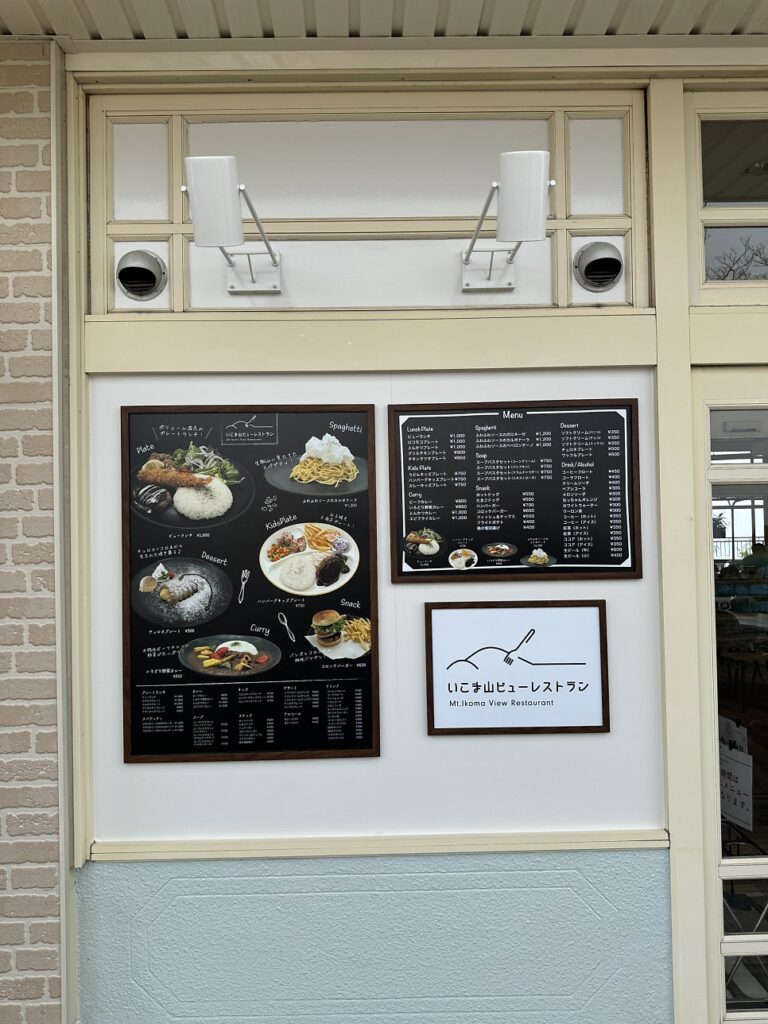
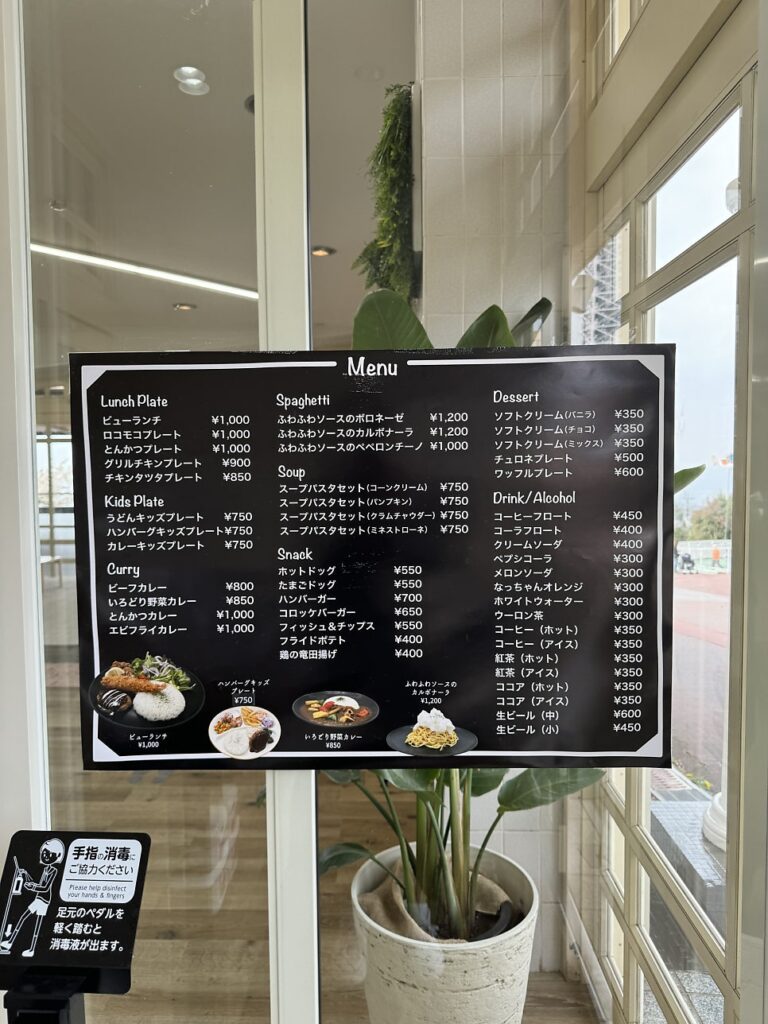
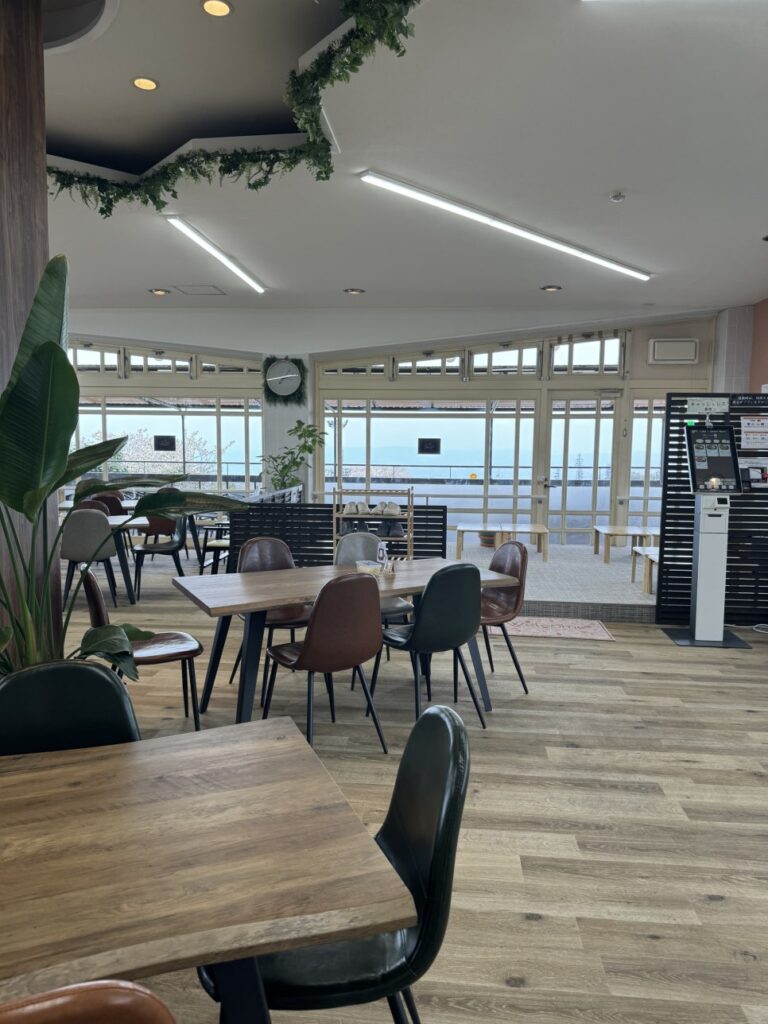
The dining room is spacious, with high chairs, floor seating where babies can lie down, and a kids’ play area.
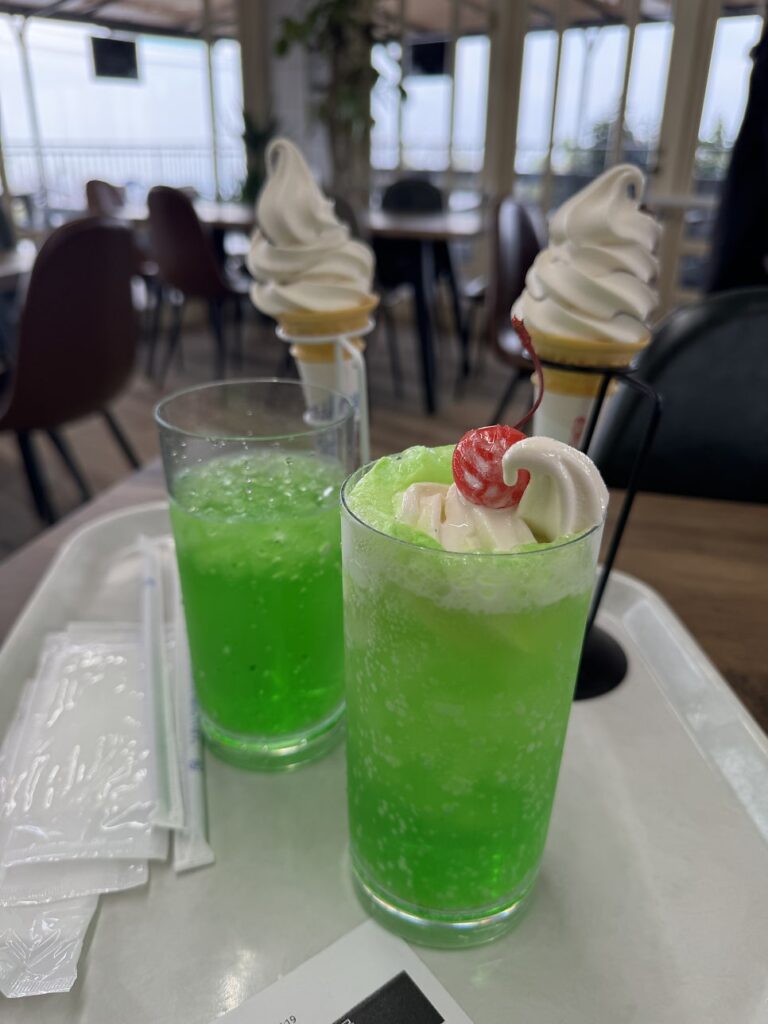
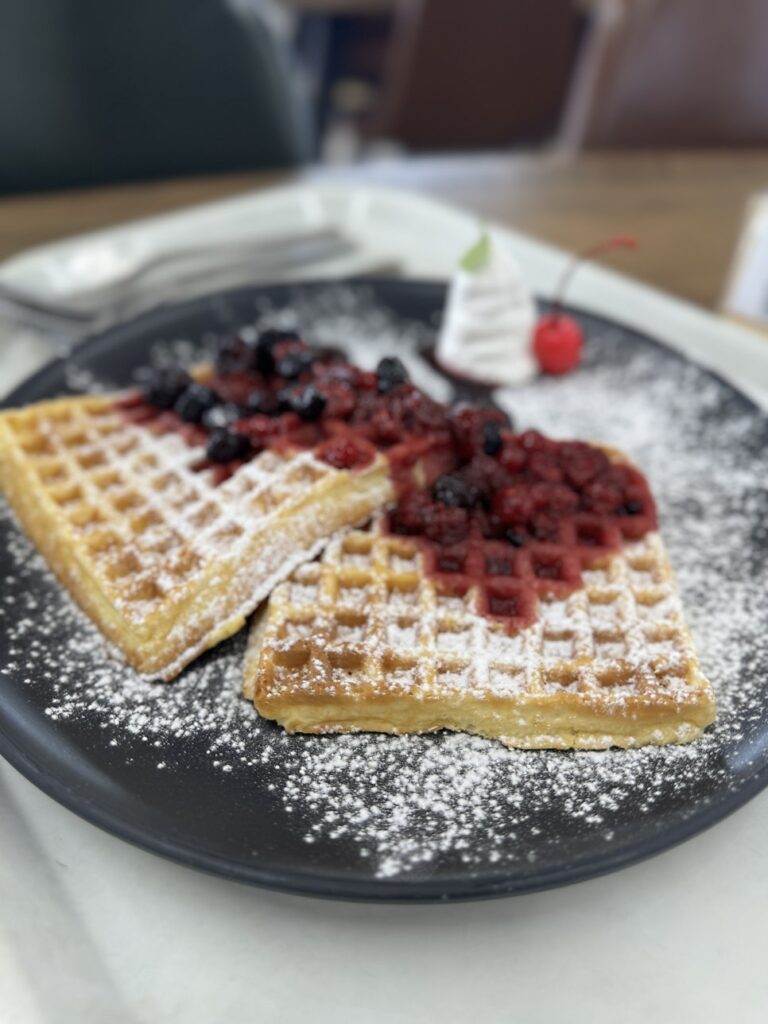
We’d already had lunch, so we ordered waffles, drinks and ice cream.
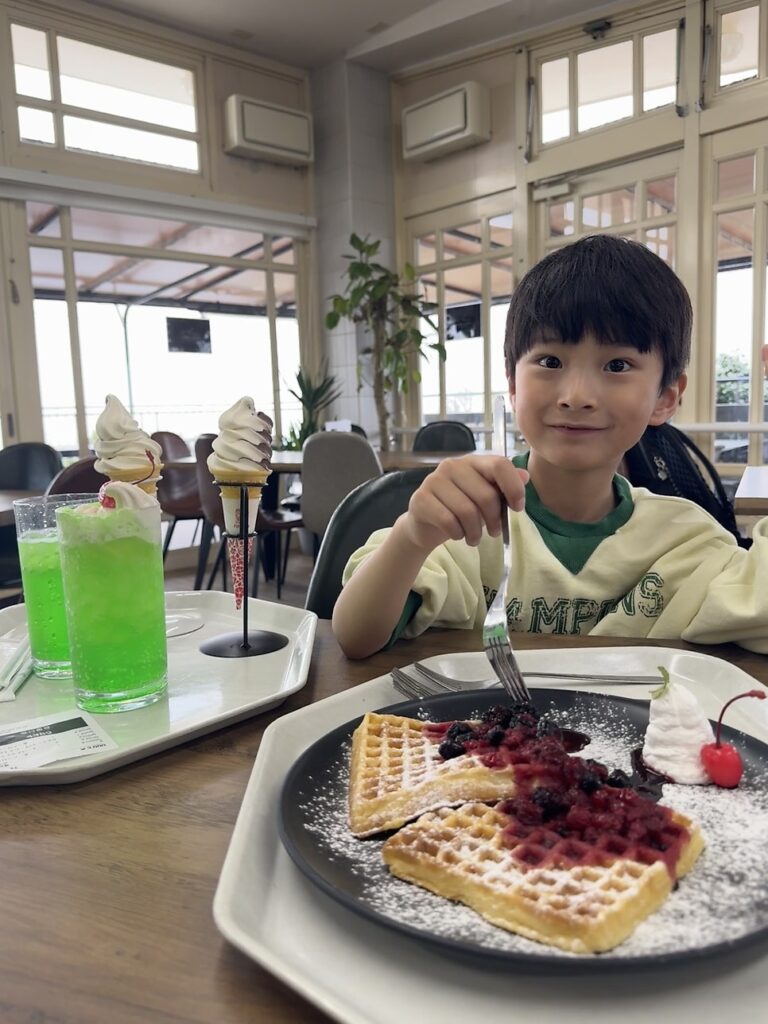
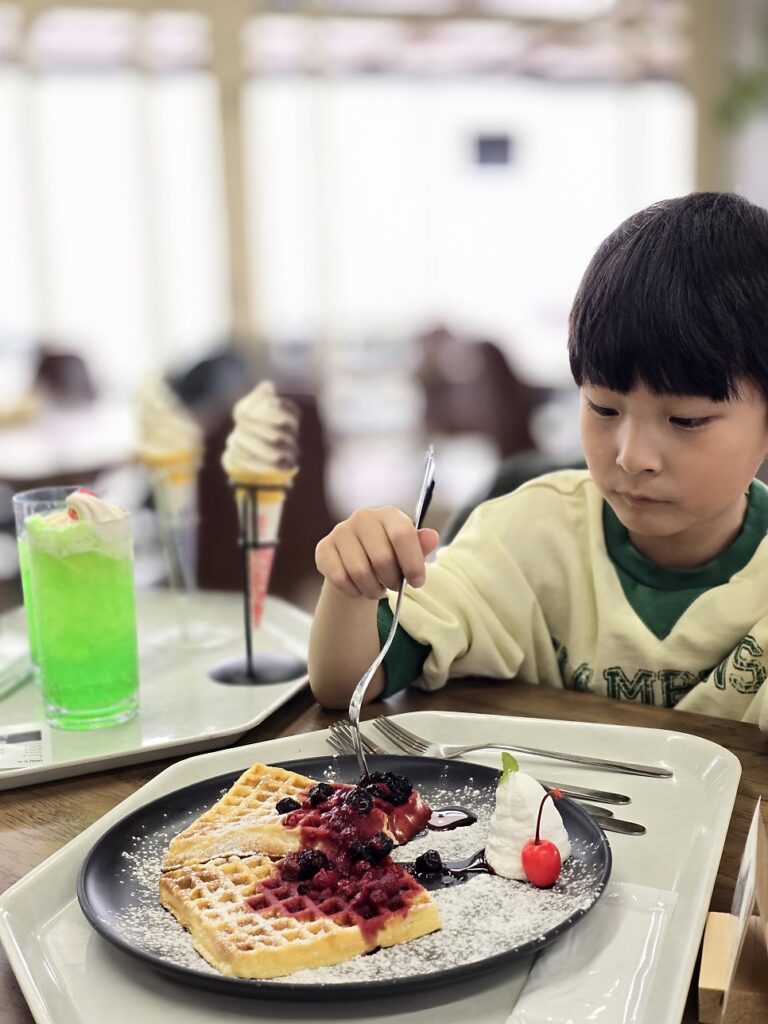
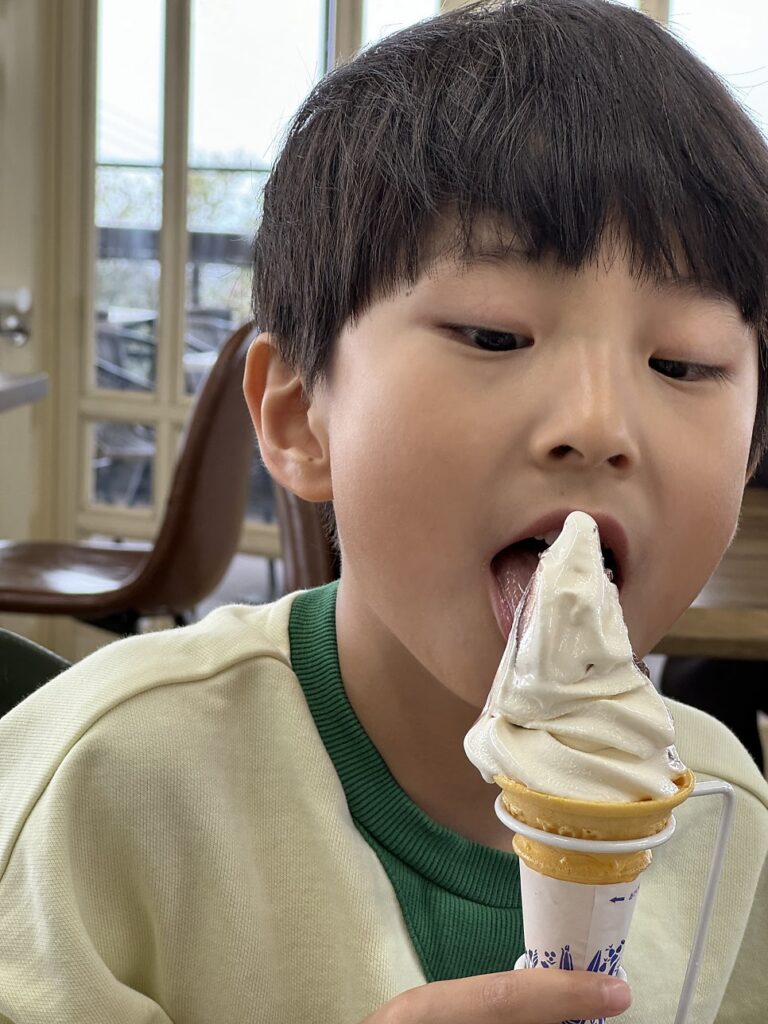
Try the waffles and cream soda here; they’re delicious.
We enjoyed rides until closing at 5 p.m. Closing time may vary by season.
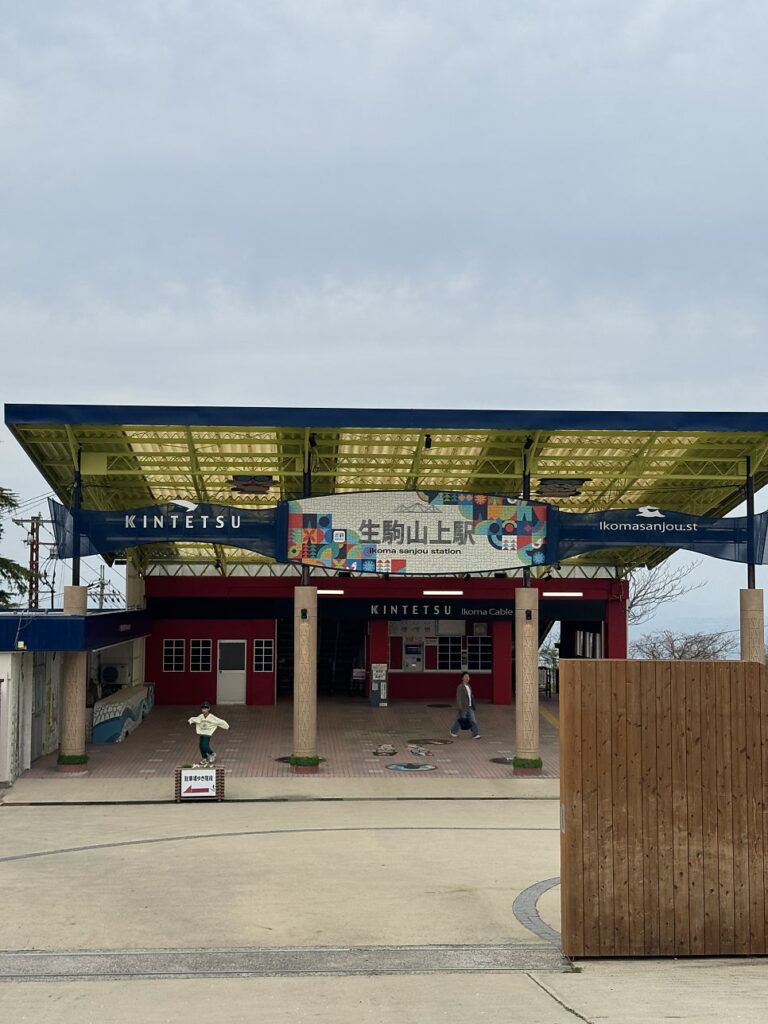
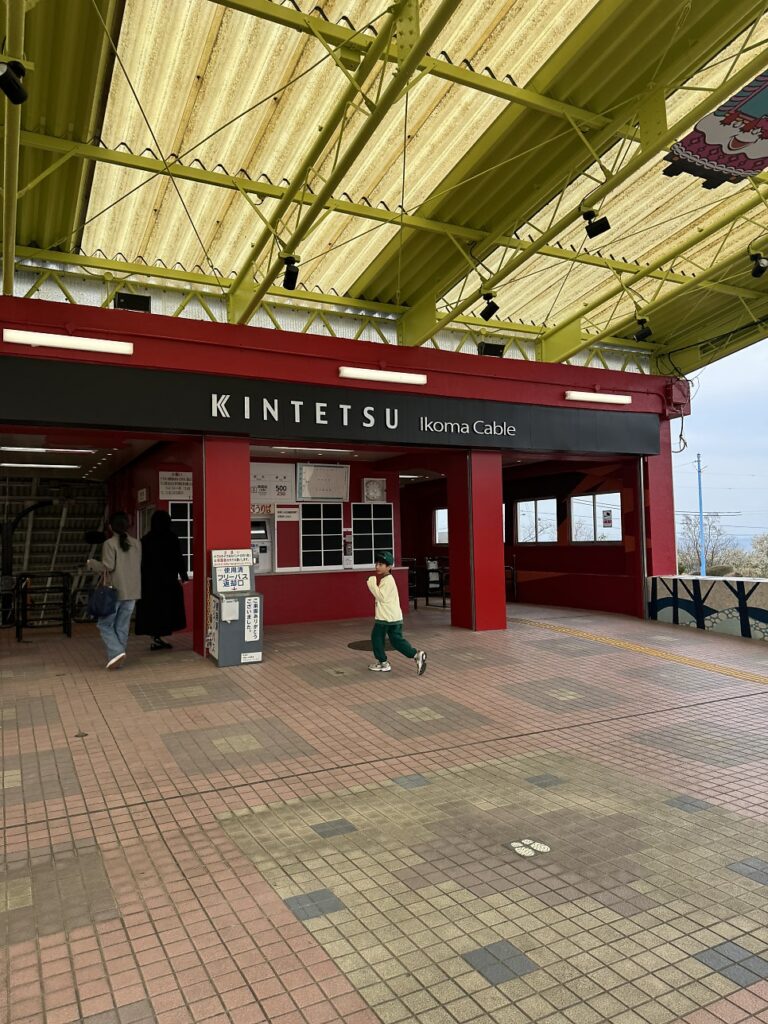
At closing time, we headed back to the cable car.
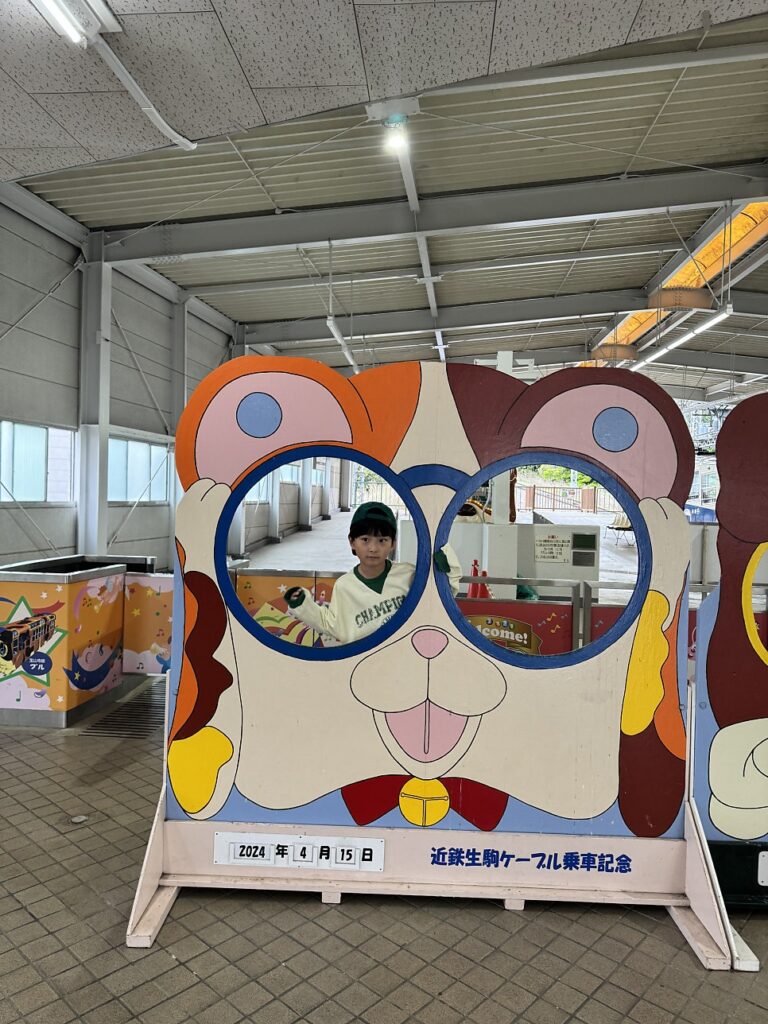
We showed our Kintetsu Rail Pass to board, wrapping up a full day from morning to evening. The 1-day and 2-day passes also include Nara buses, and the 1-day pass offers discounts at about 40 facilities. The pass is great for Kyoto and Nagoya trips as well. As of 2024, a round trip from Osaka Namba to Kintetsu Nagoya cost 5,720 yen while the 5-day Plus pass was 5,700 yen, so one round trip already pays it off, plus discounts at about 70 facilities. You can buy passes at airports and stations in Japan, but the 5-day and 5-day Plus passes are cheaper bought overseas.
5. Kintetsu Rail Pass Types and Benefits
Here’s a summary of each Kintetsu Rail Pass type and its benefits as of 2024.
- 1-day: unlimited Kintetsu trains between Osaka Namba, Nara and Kyoto; adults 1,800 yen, children 900 yen; unlimited Nara Kotsu buses on set routes; perks at about 40 facilities
- 2-day: unlimited Kintetsu trains covering Osaka Namba and Tennoji, Nara, Kyoto and Yoshino; adults 3,000 yen, children 1,500 yen; unlimited Nara Kotsu buses on set routes; perks at about 40 facilities
- 5-day: unlimited travel on all Kintetsu and Iga Railway lines; 4,500 yen adults and 2,250 yen children when bought overseas, 4,700 yen and 2,350 yen in Japan; rail only; perks at about 70 facilities
- 5-day Plus: unlimited travel on all Kintetsu and Iga Railway lines; 5,700 yen adults and 2,850 yen children when bought overseas, 5,900 yen and 2,950 yen in Japan; includes Nara Kotsu and Mie Kotsu buses on set routes; perks at about 70 facilities
- Children under 6 travel free.
With the 1-day pass we made the most of Nara and Ikoma, and next time I’d like to use the 5-day pass for Nagoya and Ise-Shima. The Kintetsu Rail Pass made Osaka feel new again.
This post was sponsored by Kintetsu Railway.
Prices, hours and details in this post are from our visit in June 2024 and may have changed, so check the latest information before you go.