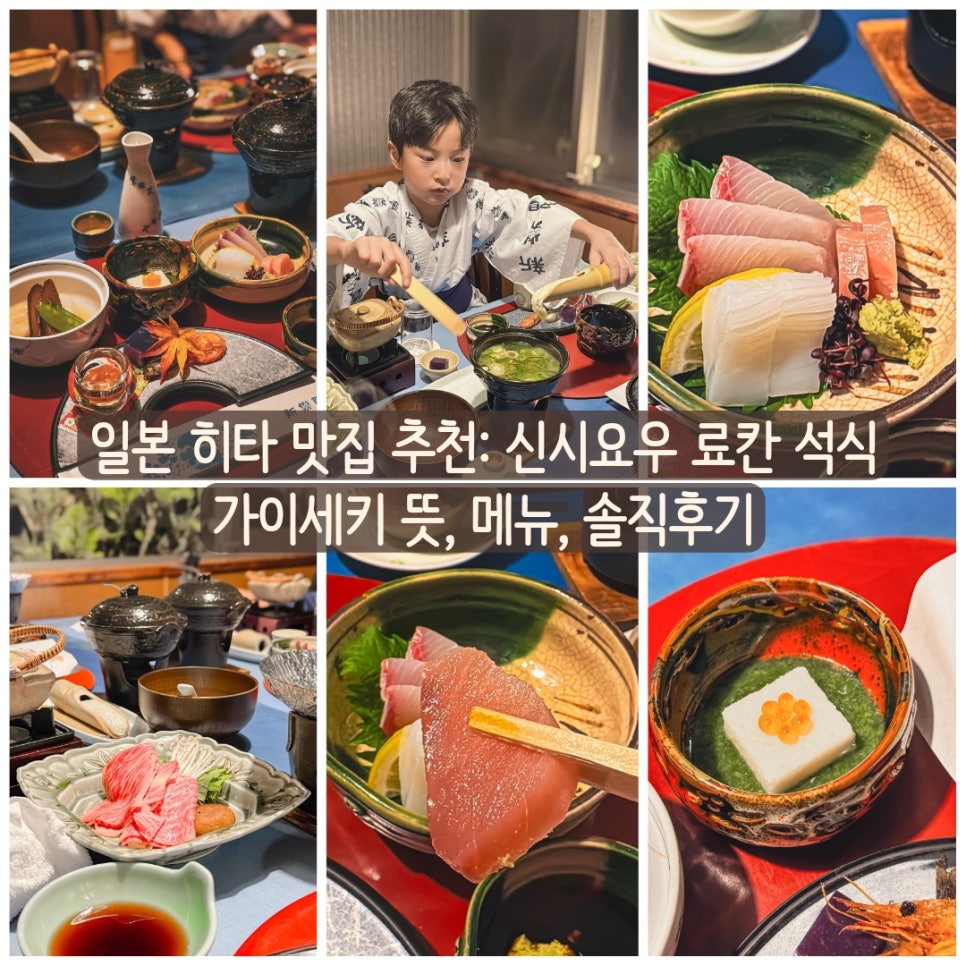
Here’s the real local flavor we found in Hita, Oita Prefecture, Kyushu: the kaiseki dinner at Shinshiyo Ryokan.
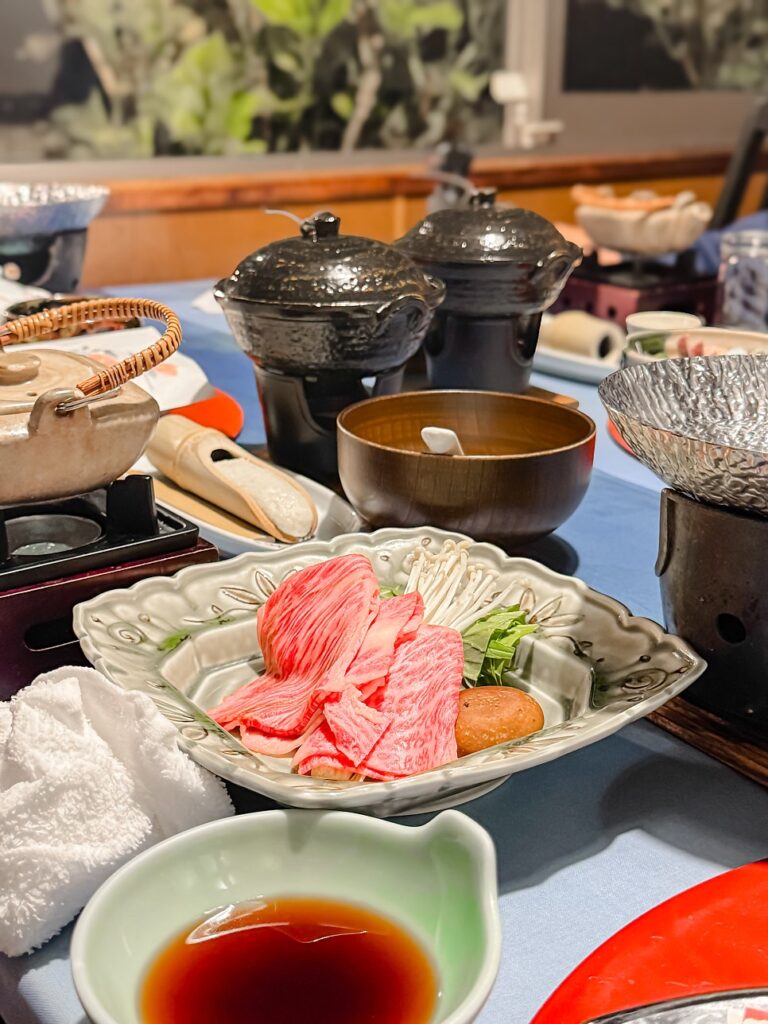
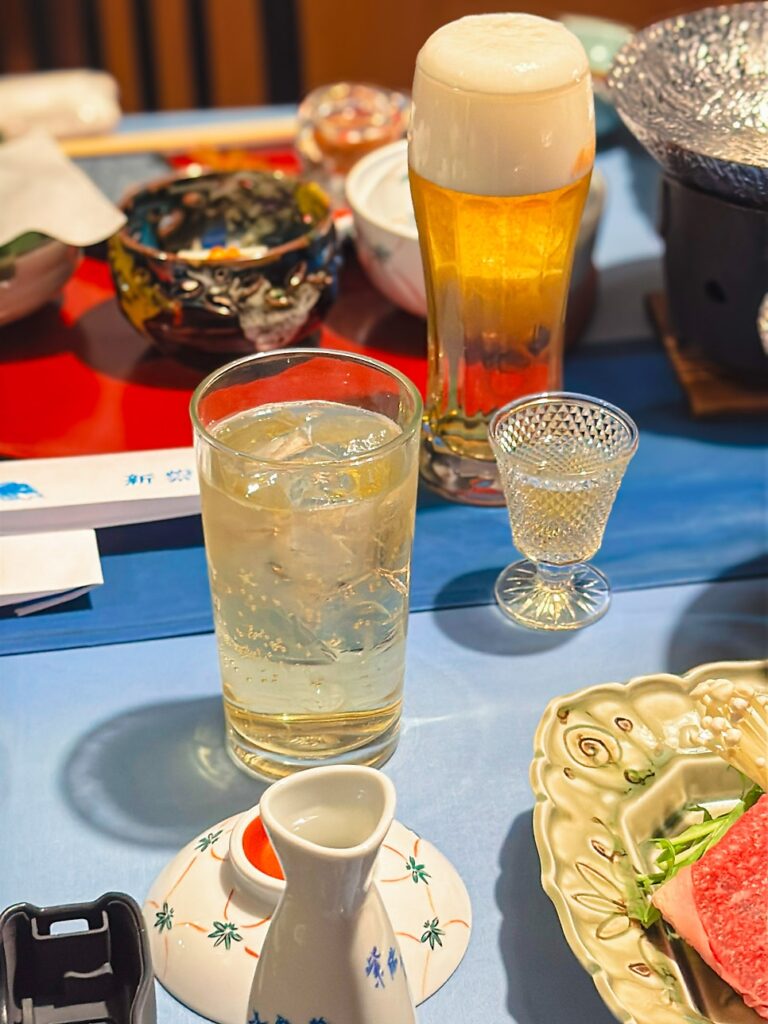
Let me dig into this dinner in depth.
Many people look forward to a ryokan stay for this lavish kaiseki feast.
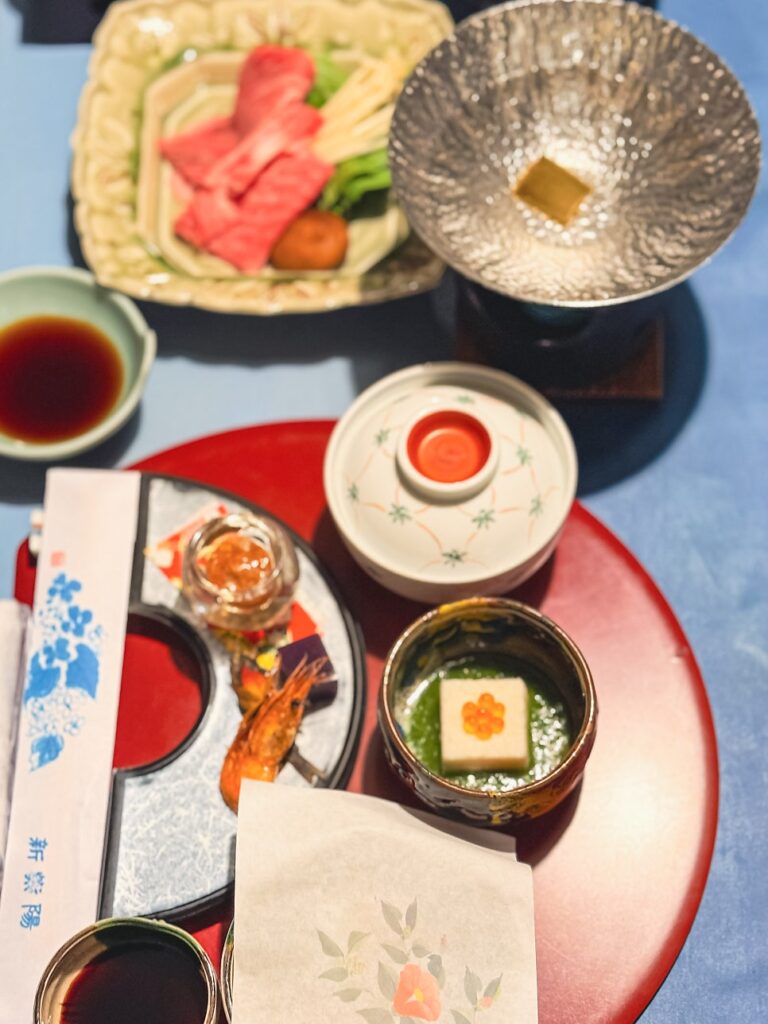
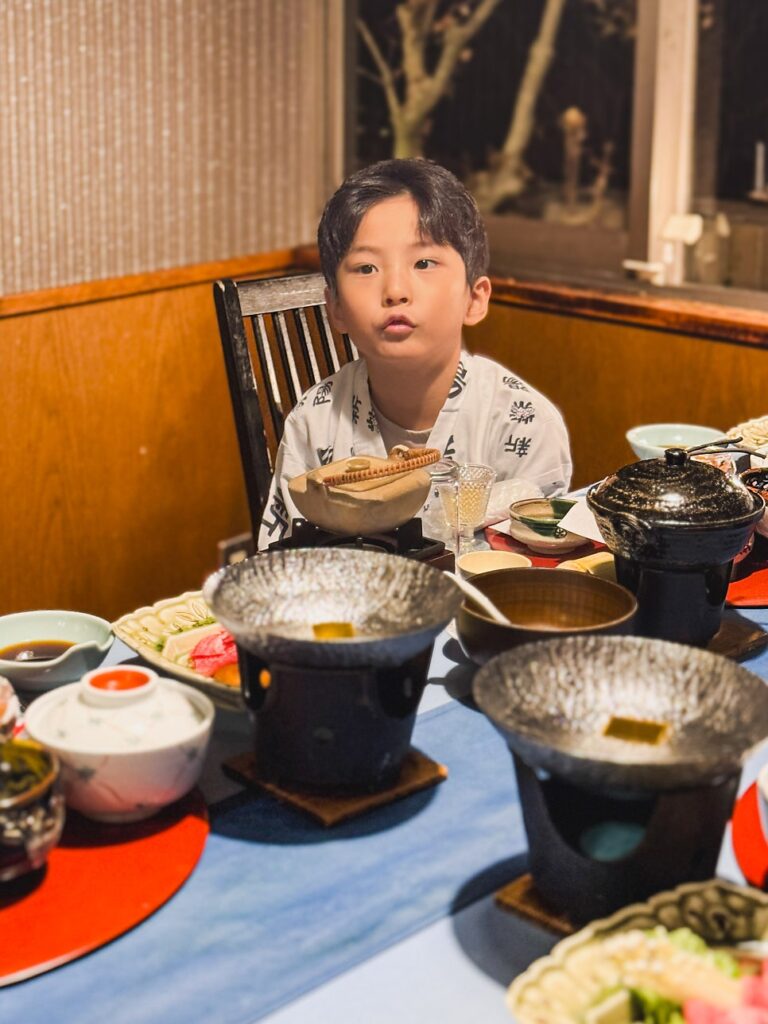
From the meaning of kaiseki to each course and my honest impressions, here’s the Shinshiyo Ryokan kaiseki in detail.
What Is Kaiseki? The Heart of Ryokan Culture
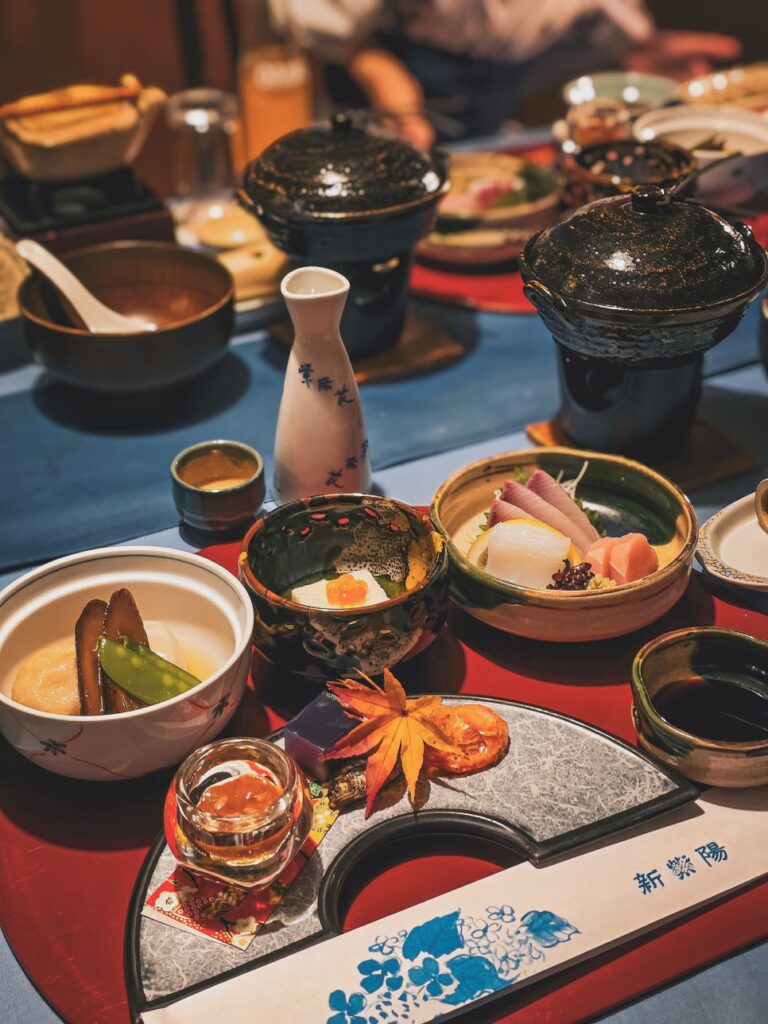
Kaiseki (会席料理) is more than a “course meal”; it’s a traditional cuisine with deep context.
It developed around banquets and drinking tables, so it’s lavish and abundant, with rice and soup served at the very end.
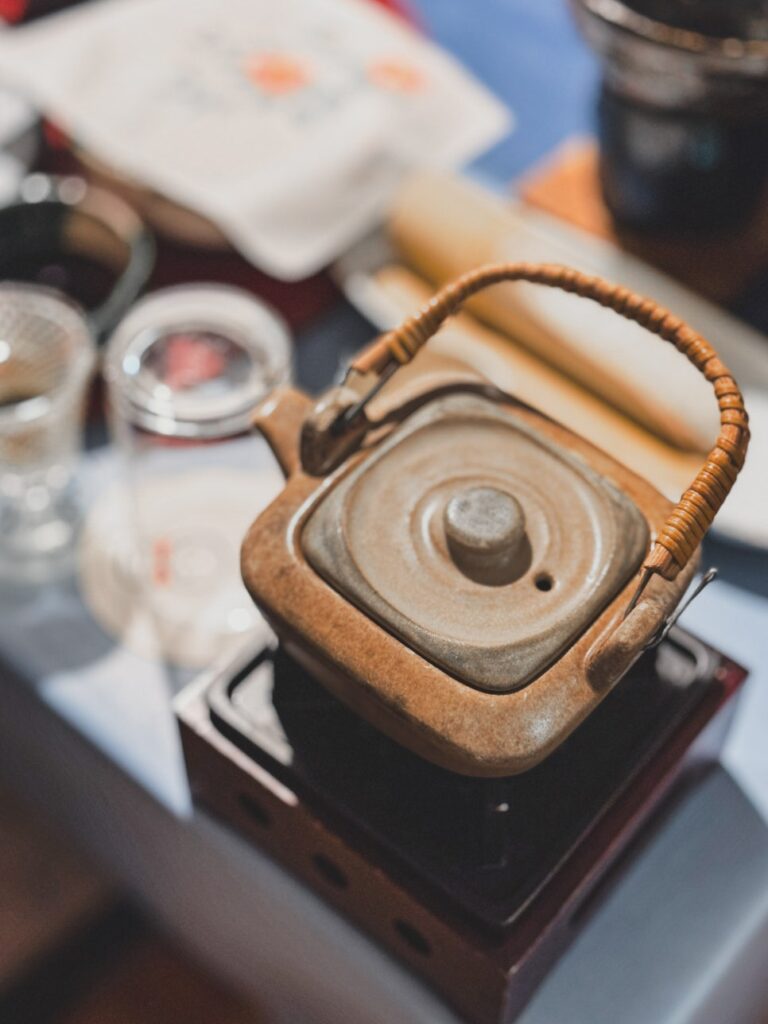
The other kaiseki (懐石), often confused with it, is a simple course rooted in tea culture; the two are distinct systems.
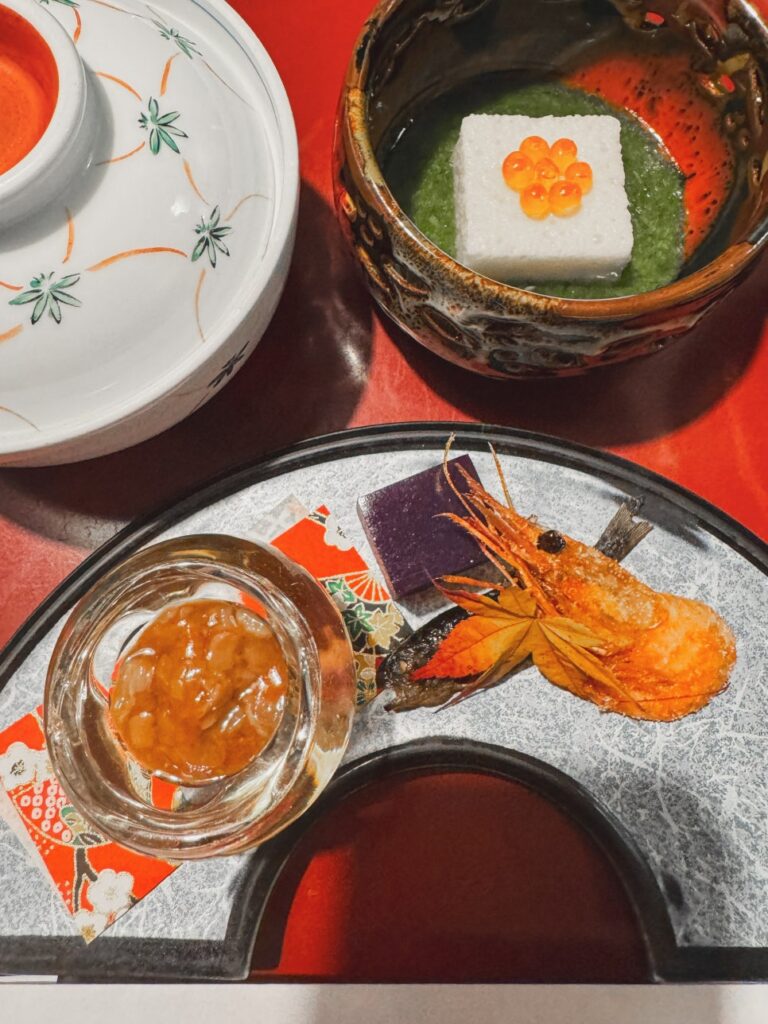
Dinner at Shinshiyo Ryokan follows the banquet-style kaiseki,
built around Hita’s seasonal produce and Oita’s farm products, a classic example of regional cuisine.
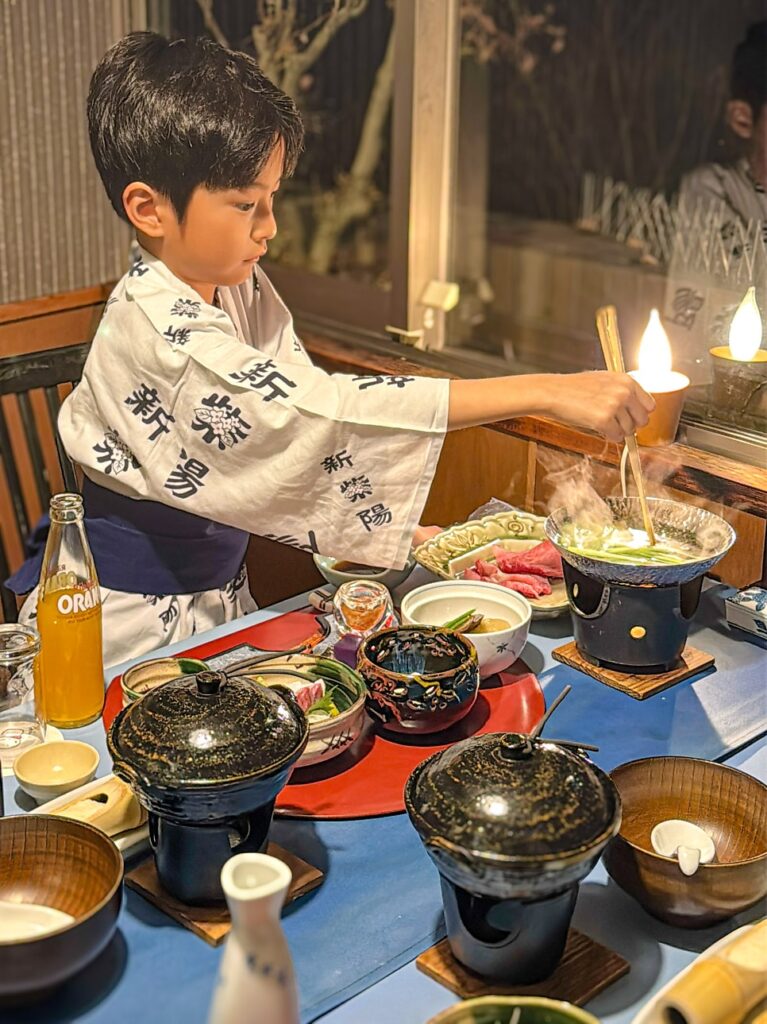
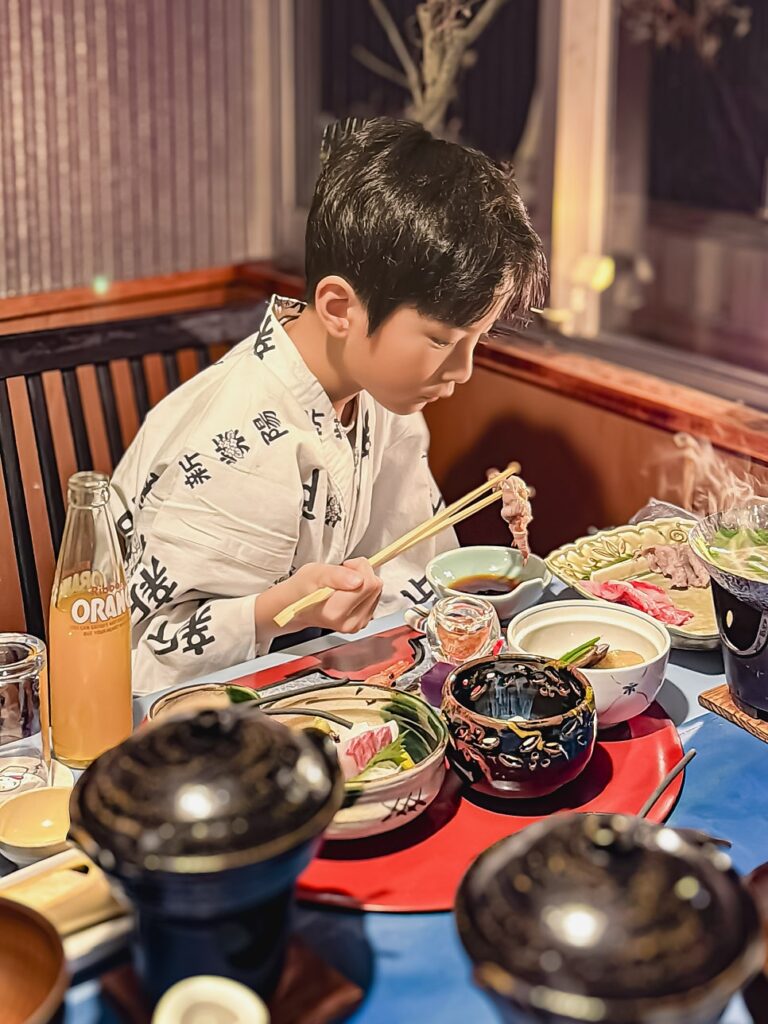
The ryokan stays true to tradition, and honestly, every bite revealed the character of the region.
Region and Season: Shinshiyo Ryokan’s Philosophy
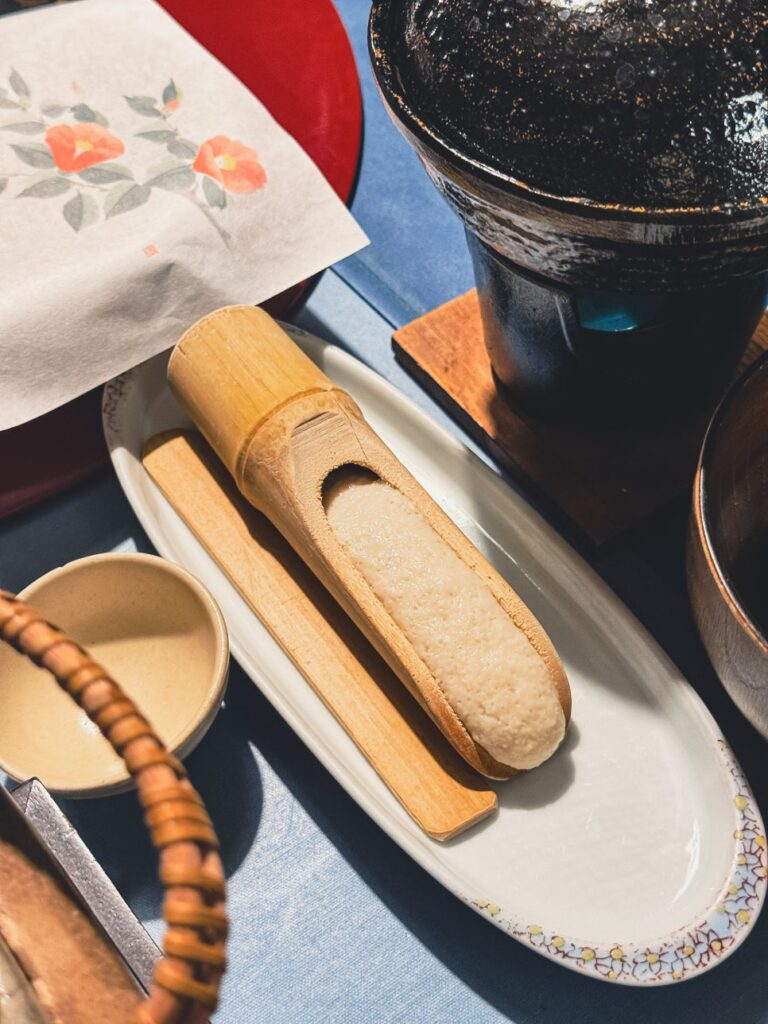
Ryokan kaiseki shines through the principle of local and seasonal ingredients.
Hita is an inland area surrounded by mountains, famous for clear water and
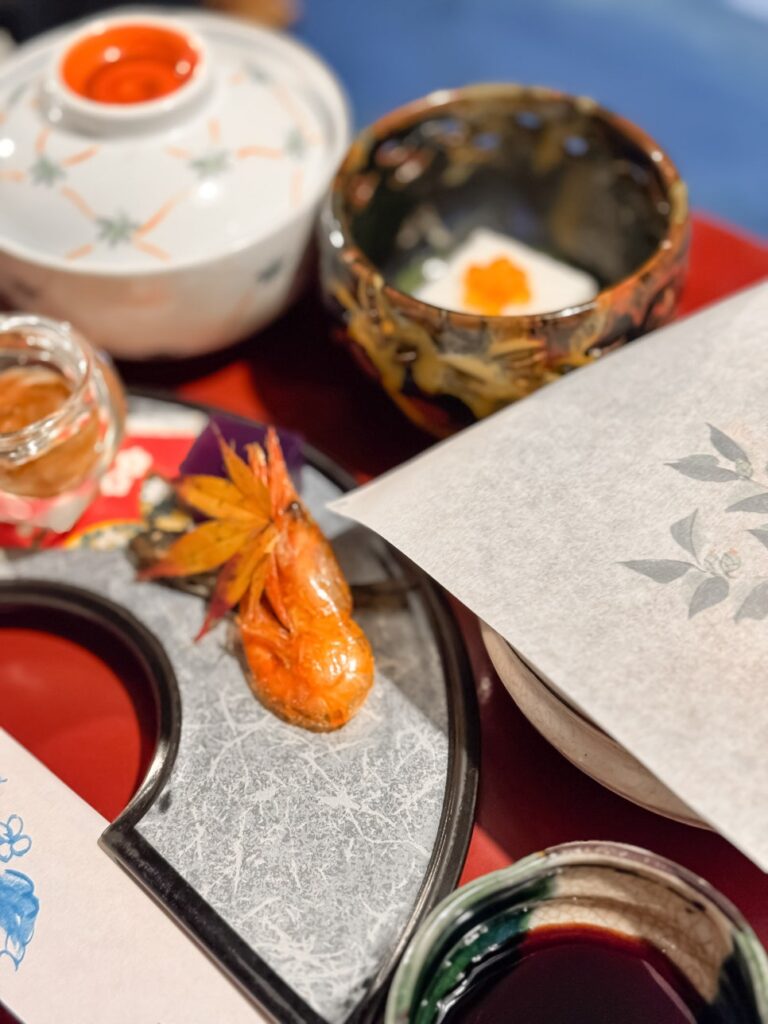
farm produce,
so unlike seafood-heavy ryokan, mountain vegetables, mushrooms, river fish and Oita wagyu take center stage.
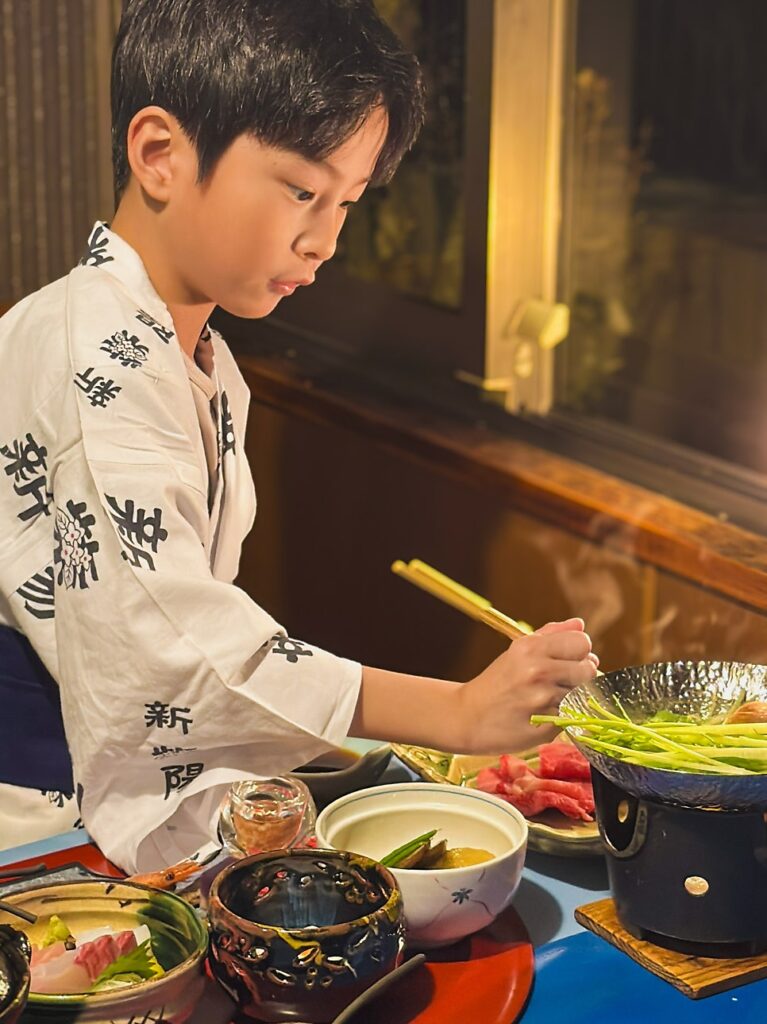
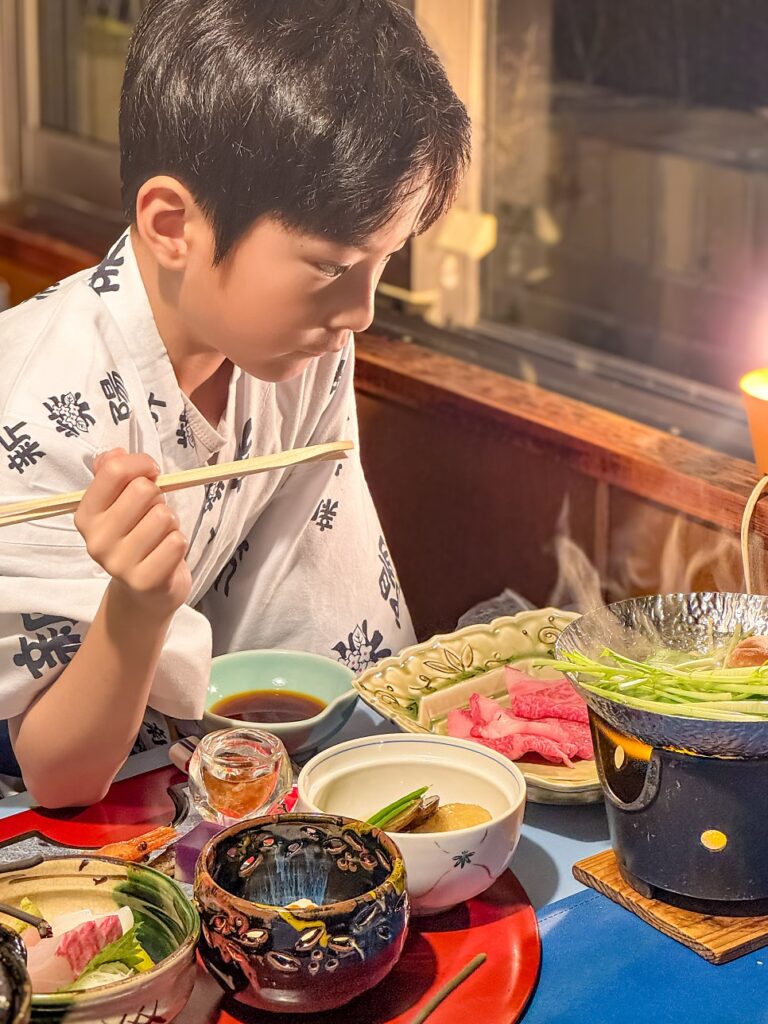
This is what sets the Shinshiyo Ryokan kaiseki apart.
Shinshiyo Ryokan Kaiseki: Course-by-Course Review
This is the menu we had; some dishes change by season.
1. Sakizuke and Zensai (Appetizers)
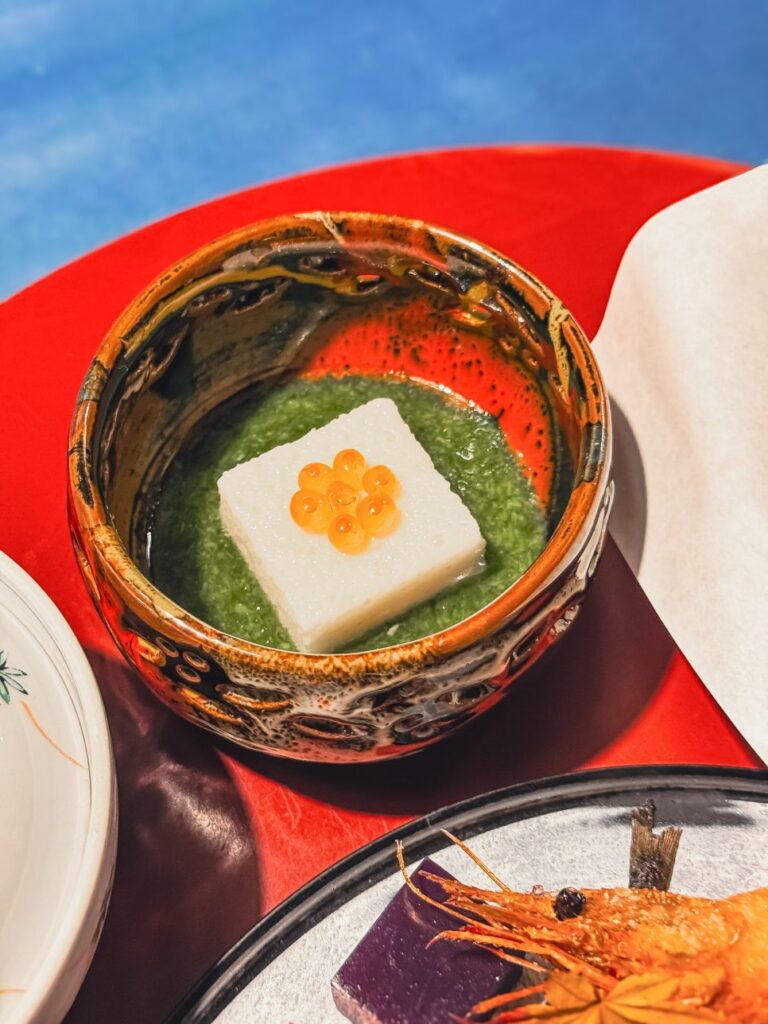
The meal began, as always, with neat little dishes.
• What’s in it: three to five bites using seasonal vegetables and seafood, such as refreshing seaweed jelly or tofu salad, light and appetizing.
• The delicate, colorful plating stood out, and a dish with a hint of fresh yuzu sparked my appetite.
2. Otsukuri (Sashimi)
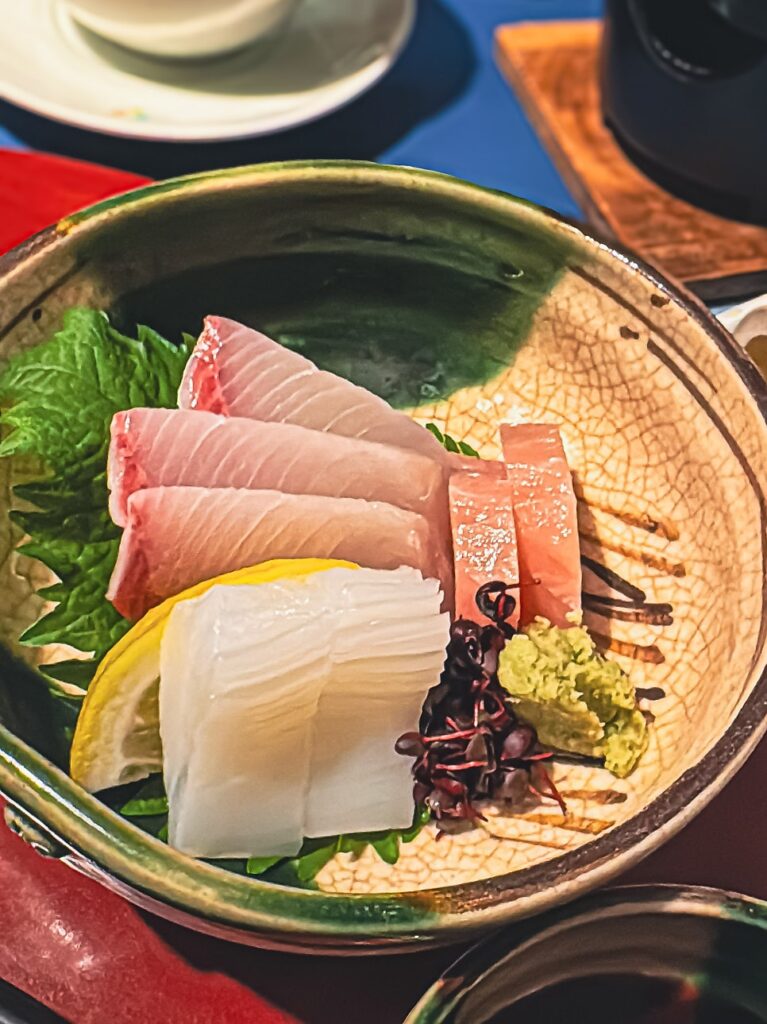
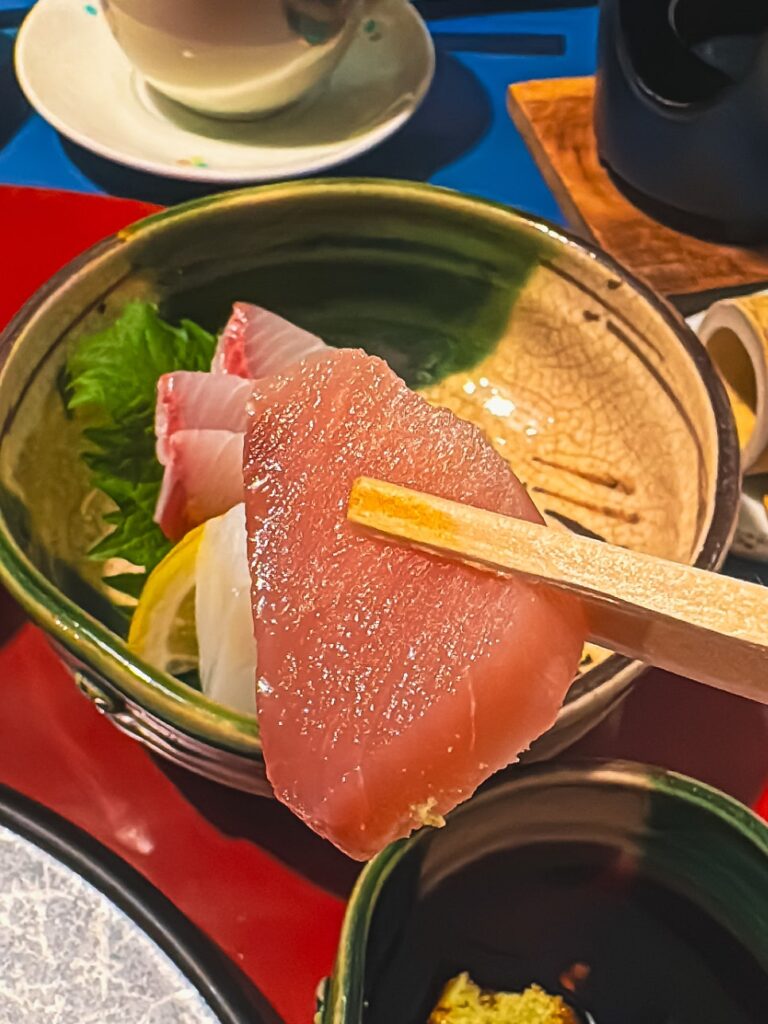
Even at an inland ryokan, fresh seasonal sashimi is served.
• What’s in it: mainly white fish such as sea bream and flounder, plus tuna and other varieties, neatly arranged.
• Served on a cold stone plate to stay fresh, it was firm and clean, and the region’s sweet soy sauce deepened the flavor.
3. Nabe (Shabu-Shabu-Style Hot Pot)
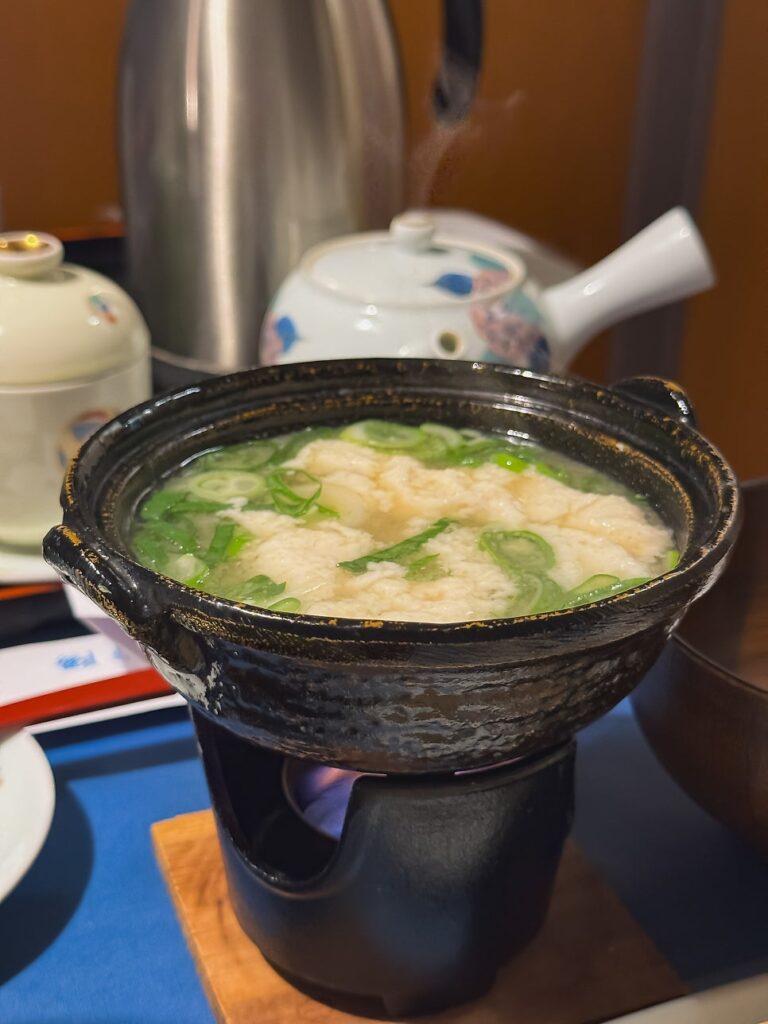
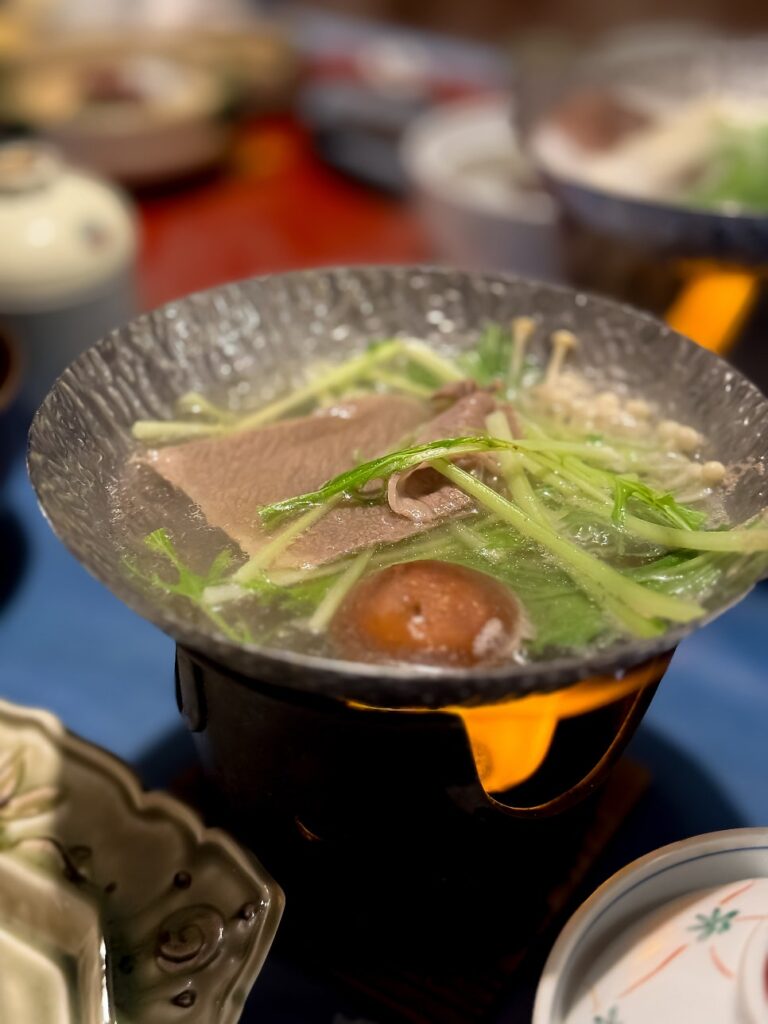
The most impressive main dish: a shabu-shabu-style hot pot where you cook ingredients in warm broth.
• Ingredients: Oita wagyu and pork slices, Hita’s pride, with plenty of seasonal mushrooms (shiitake, oyster) and mountain greens and cabbage.
• Broth: a clear, clean dashi that adds a gentle savory note without overpowering the meat and vegetables.
• Cooking bit by bit was fun, and the fresh local vegetables and meat felt warm and healthy. It was the perfect main to warm up on a cold day.
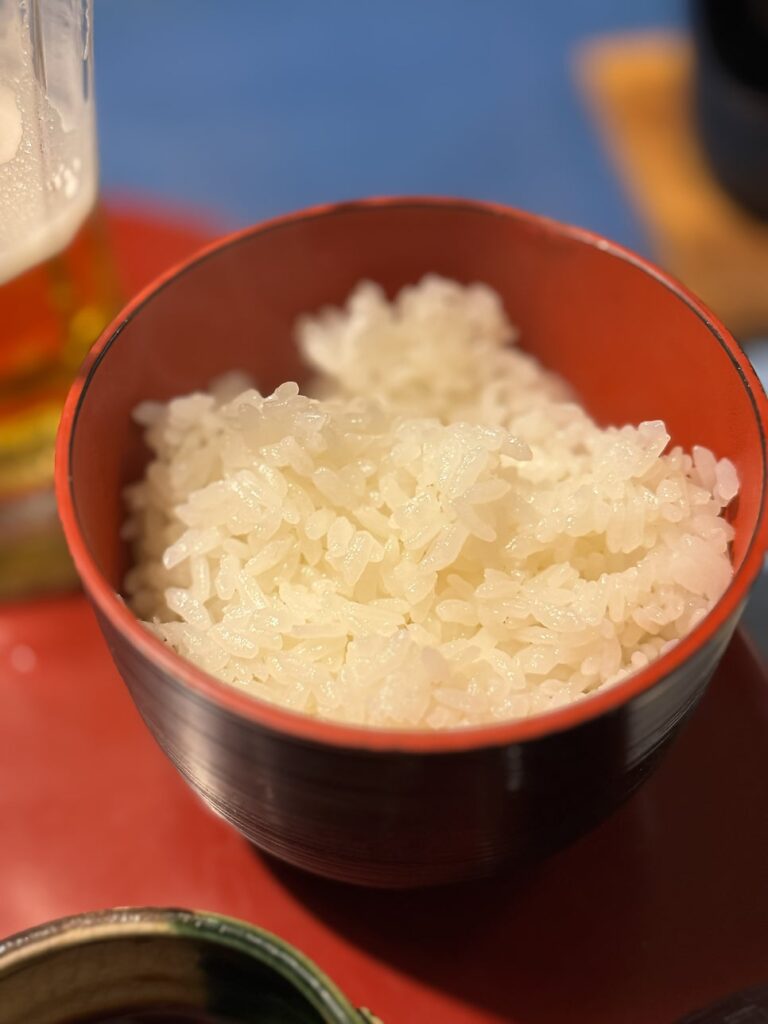
4. Tomewan and Rice (Oita’s Dango-jiru)
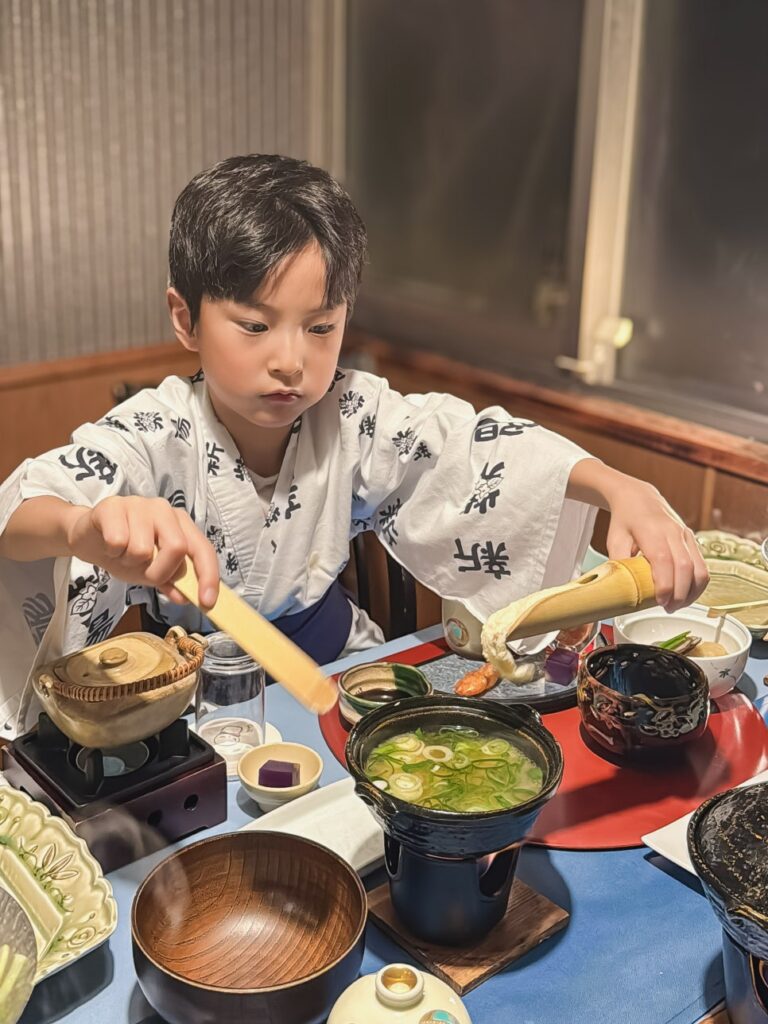
The rice course after the main introduced us to Oita’s local cuisine.
• The dish: chewy dumpling-like pieces simmered in broth, apparently a kaiseki-style take on dango-jiru, Oita’s signature local soup.
• What dango-jiru is: hand-torn flour noodles simmered with taro, carrot and burdock in a miso broth.
• The rich miso broth and chewy dumplings felt like a homey Japanese meal, simple and heartwarming.
5. Other Dishes (Tempura, Steamed Dishes)
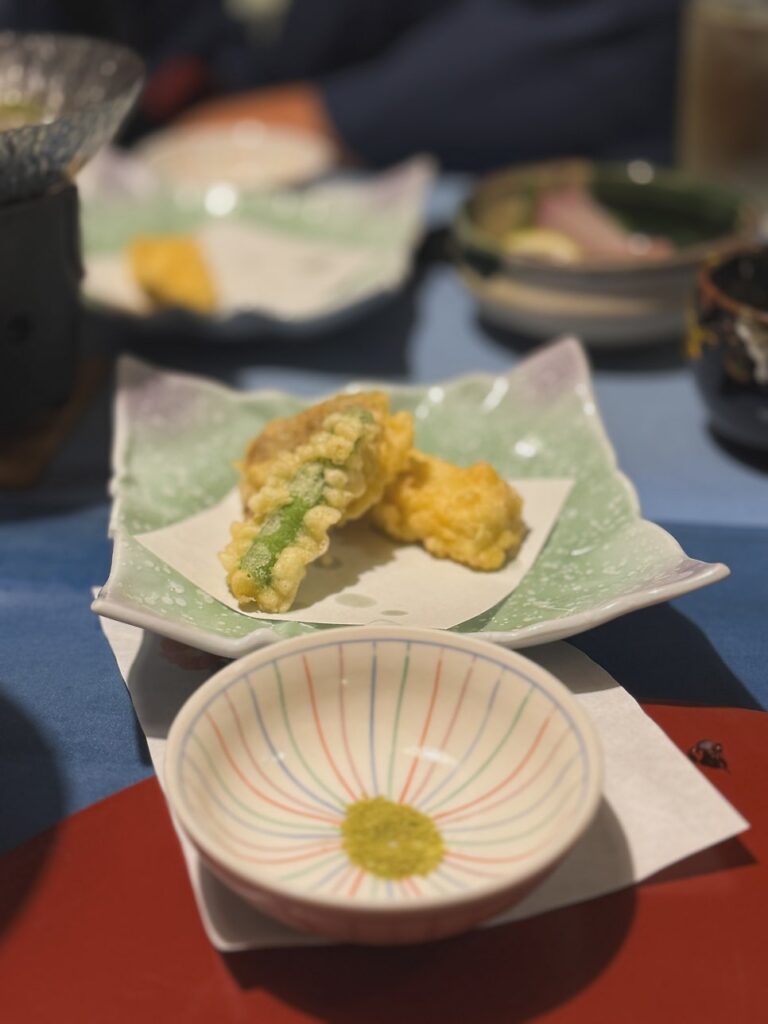
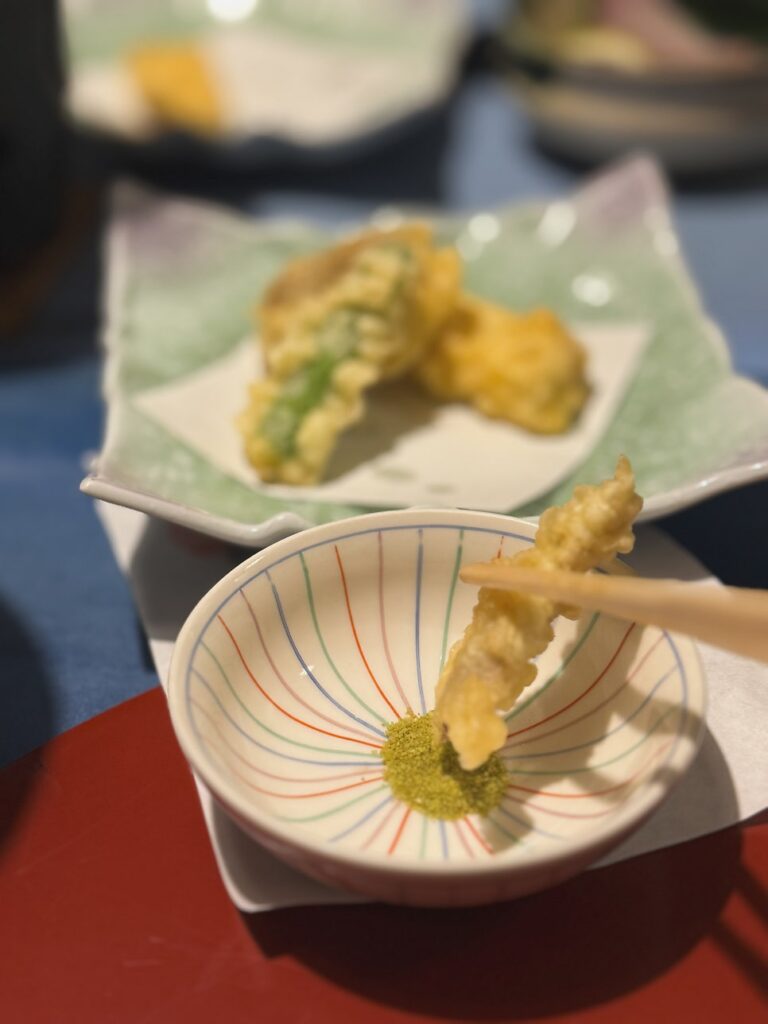
Seasonal tempura and steamed dishes such as chawanmushi were served carefully during the course.
• Tempura: seasonal vegetable tempura with a light, crispy batter was excellent.
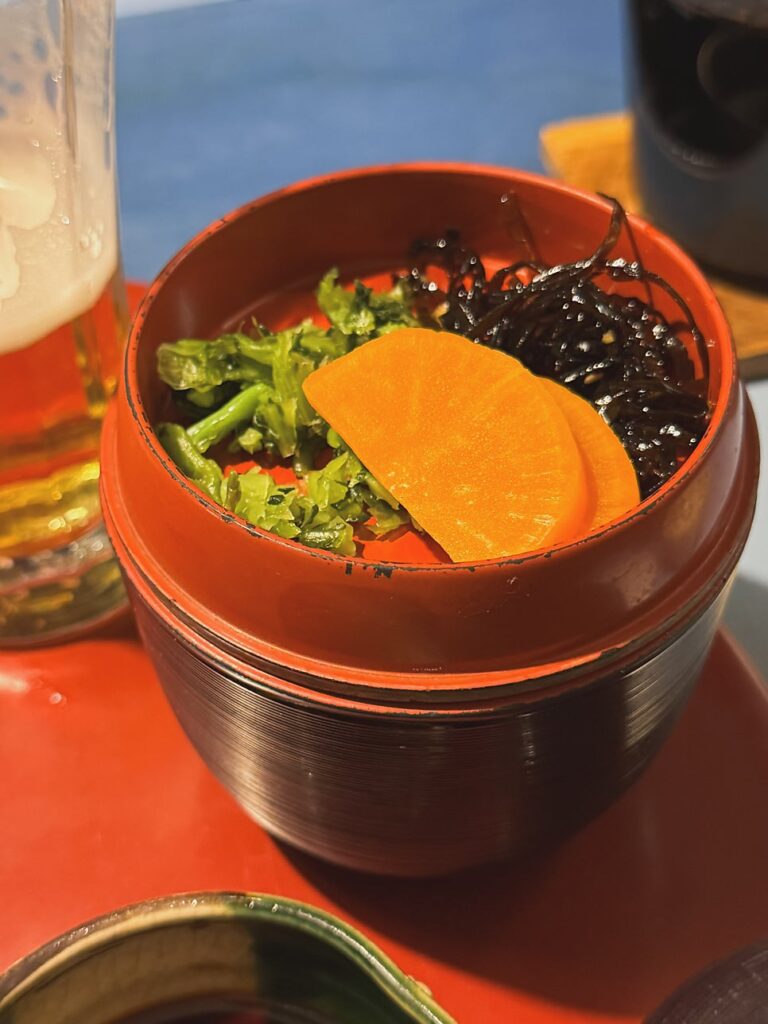
• Chawanmushi: soft, warm Japanese steamed egg that soothed the stomach.
6. Mizumono (Dessert)
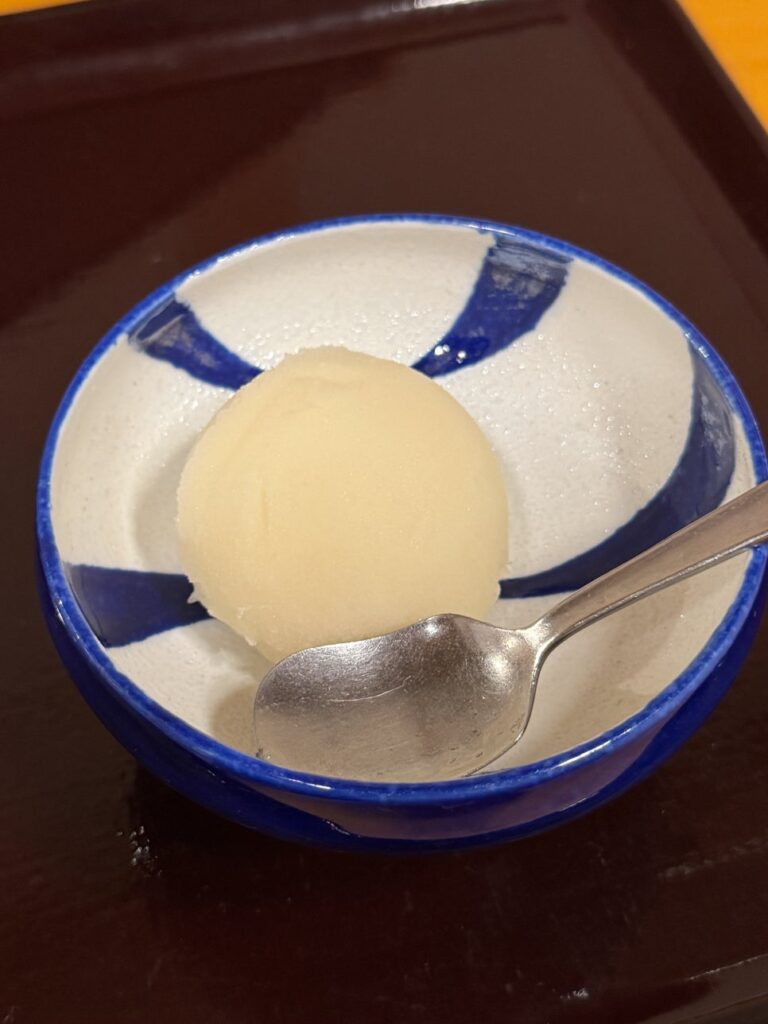
A clean sweetness to finish.
• What’s in it: a lightly sweet pear-flavored ice cream, among others.
Shinshiyo Ryokan Kaiseki: Honest Verdict
The Shinshiyo Ryokan kaiseki has a clearly different charm from lavish seafood-focused ryokan dinners.
What we loved (enjoying local character):
1. Discovering local food: the shabu-shabu-style main and the dango-jiru rice course made our experience of Hita much richer. 2. Warm, healthy composition: clean broth dishes at the center felt gentle and warming. 3. Top-quality meat: Oita wagyu and local meat were superb, perfect for shabu-shabu.
What could be better:
• For seafood lovers: if you expect a variety of sashimi and seafood, the focus on meat and vegetables may disappoint.
The Shinshiyo Ryokan kaiseki delivers deep flavor through ingredients raised by Hita’s clear water and land. Its refined take on Oita’s local cuisine is impressive, and I highly recommend it to anyone who wants to feel warm, simple Japanese hospitality.
It was meaningful to experience a region’s climate, landscape, history and daily life through one meal.
It’s an even better choice for a family trip,
an experience where every bite makes the destination clearer.
Prices, hours and details in this post are from our visit in November 2025 and may have changed, so check the latest information before you go.
More Family Trips on Yans World
- Yufuin Day Trip from Fukuoka: 5 Best Family-Friendly Spots & Kids Travel Tips
- Hoshino Resort Tomamu Mina-Mina Beach & Kirin-no-Yu: Winter Swimming & Onsen Complete Guide
- Sapporo Jogai Market vs Nijo Market: Why We Chose Jogai for the Best Kaisendon
Schedules and prices can change, so check the Japan National Tourism Organization before you go.