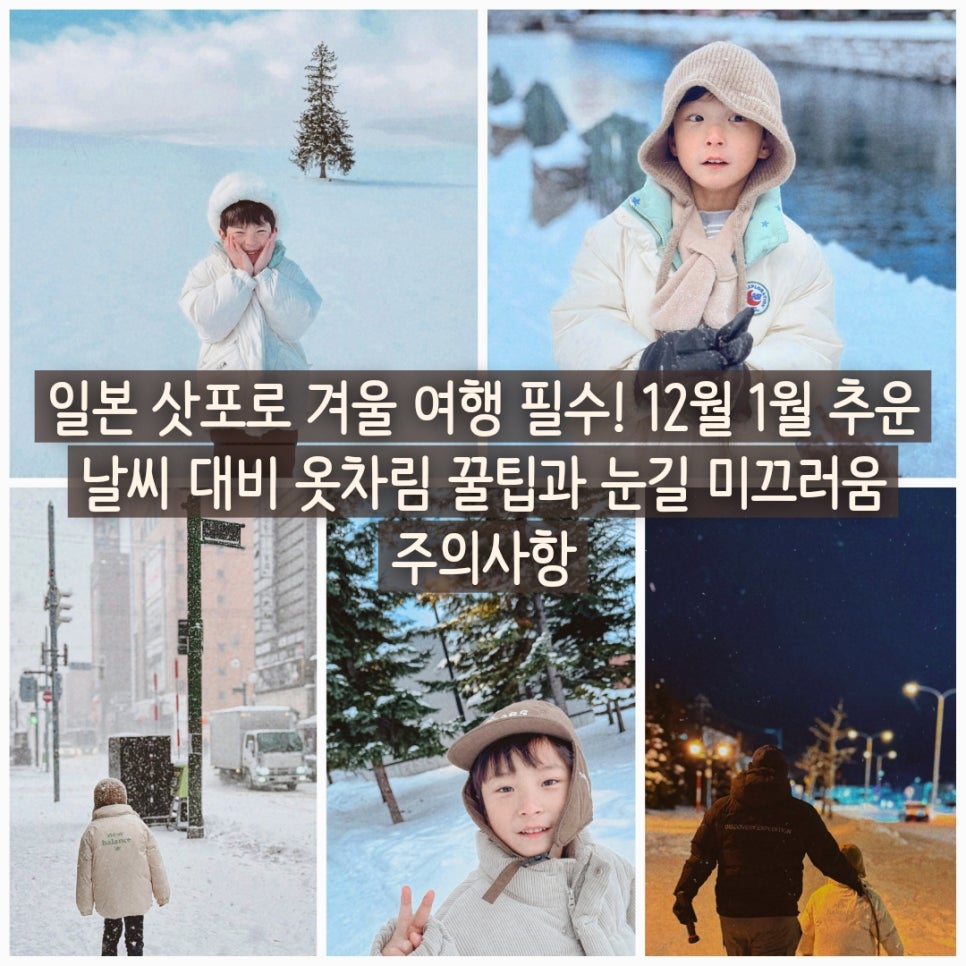
We’ve traveled Japan through every season with our child, but few places depend on preparation like Sapporo in winter. You dream of snowy Odori Park, then worry about minus 10°C cold and icy streets.
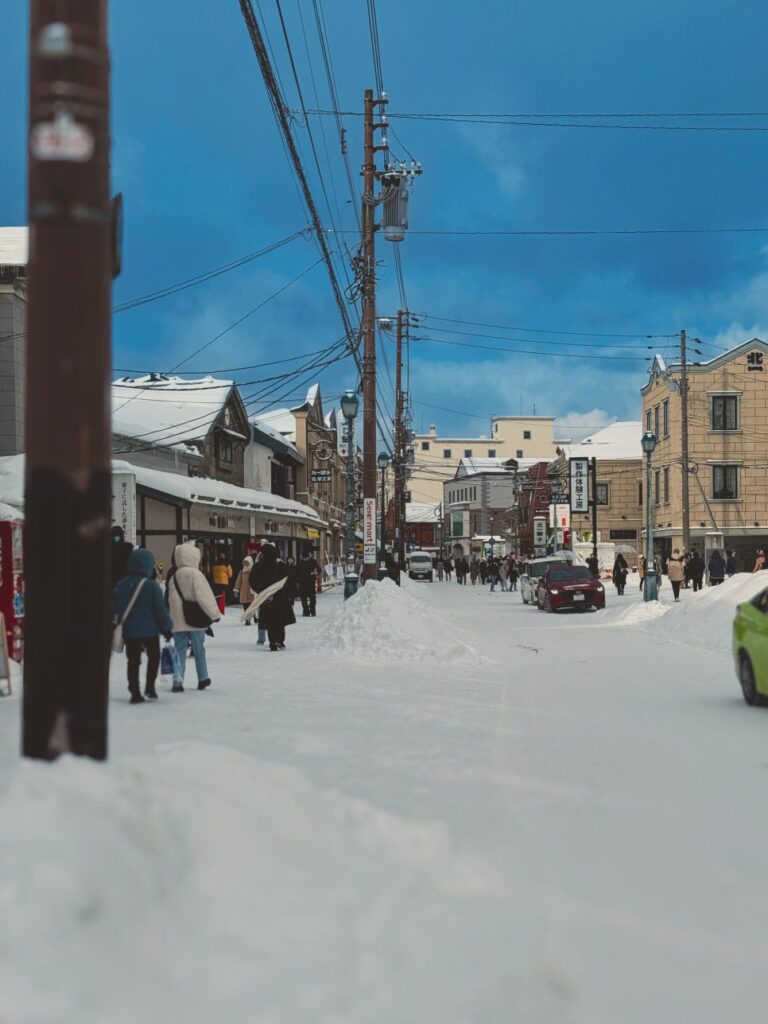
“How do I take a child somewhere that cold?”
“What if we slip on the ice and get hurt?”
I felt the same at first. Based on our experience and weather data, here’s everything about Sapporo winter weather in December and January, what to wear and how to stay safe on snowy streets.
1. What to Wear in Sapporo Winter: December vs January Weather
Checking the weather isn’t just about temperatures; Sapporo winter is a battle of Siberian wind and humidity.
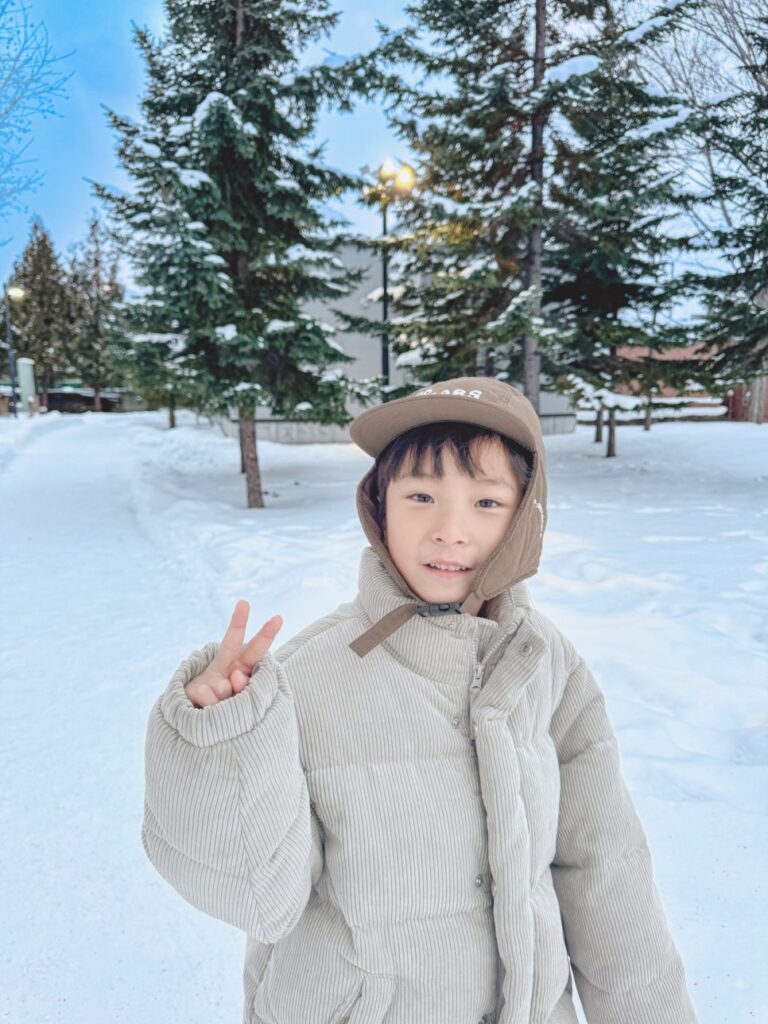
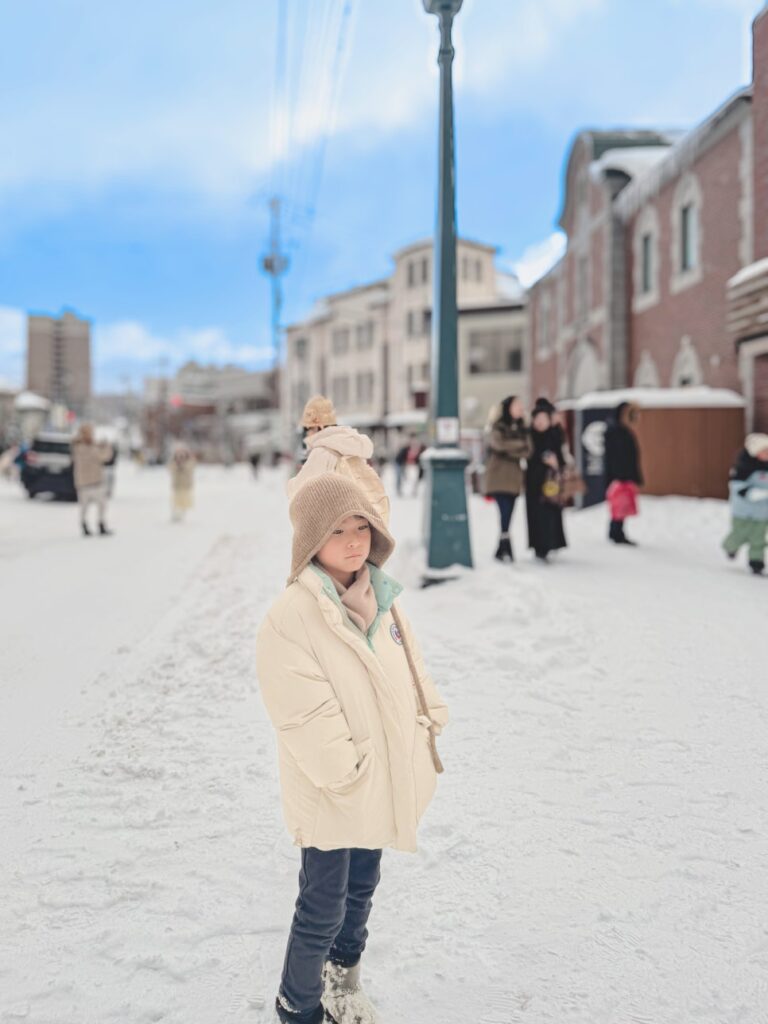
December: the threshold of winter, when snow starts to pile up.
Temperatures: average highs of -1 to 3°C are bearable by day, but nights drop to -6°C (about -5°C in the morning, 0°C midday and -7°C at night).
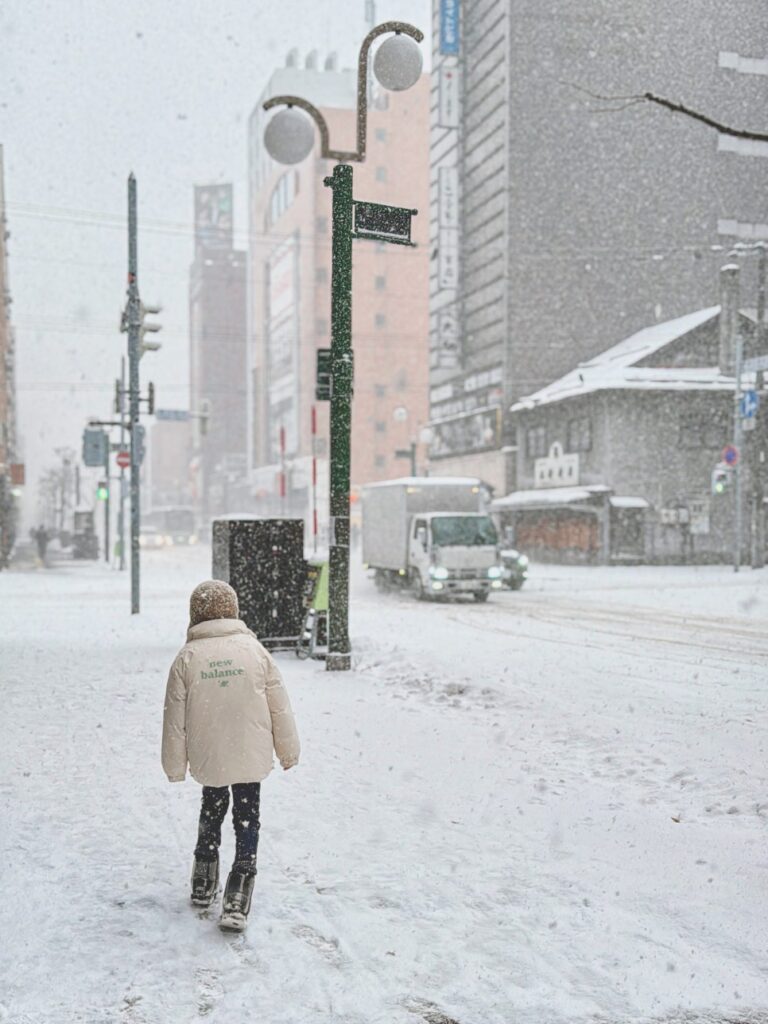
Snow and feel: snow falls about 24 days a month and piles over 40 cm. Humidity is around 87%, but biting wind makes it feel 5–10 degrees colder. Watch out: snow melts and refreezes, making streets their slushiest and most slippery; with cloudy days about 70% of the time, preparation beats luck.
January: the peak of the deep freeze.
Temperatures: the coldest time of year, -3 to -4°C by day and below -10°C at night, with wind chill near -15°C.
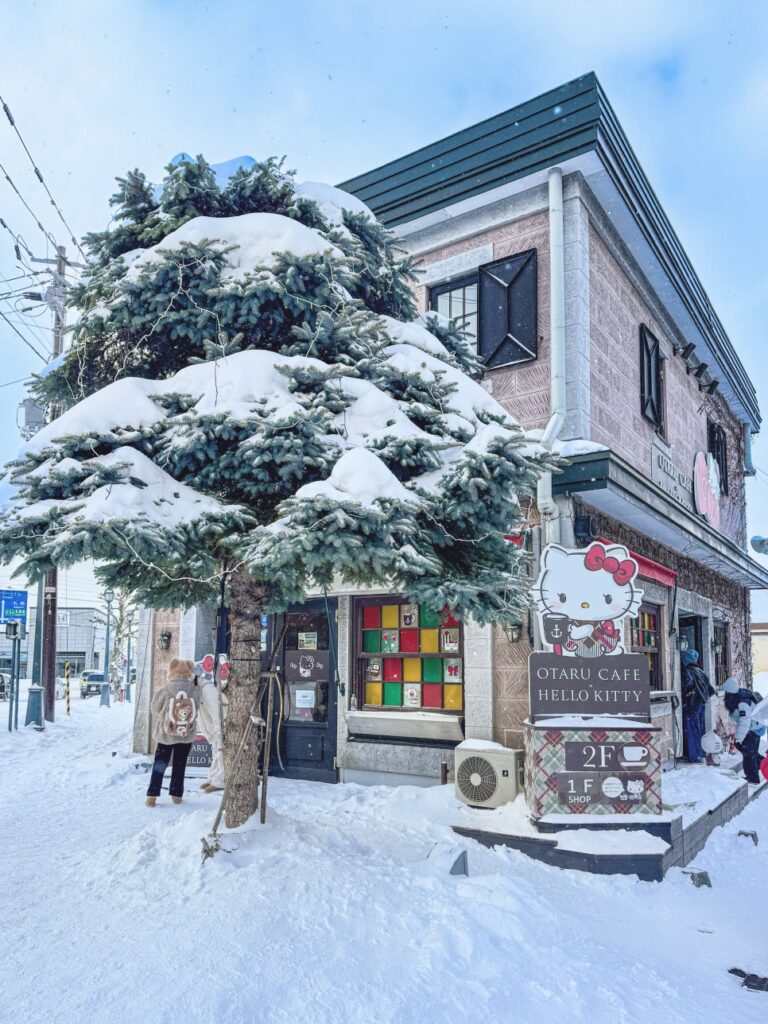
Snow and feel: snow falls about 28 days, with heavy accumulation, and less than three hours of sunshine a day. Watch out: preparations for the late-January Sapporo Snow Festival add sights, but limit outdoor time to one or two hours and duck indoors often.
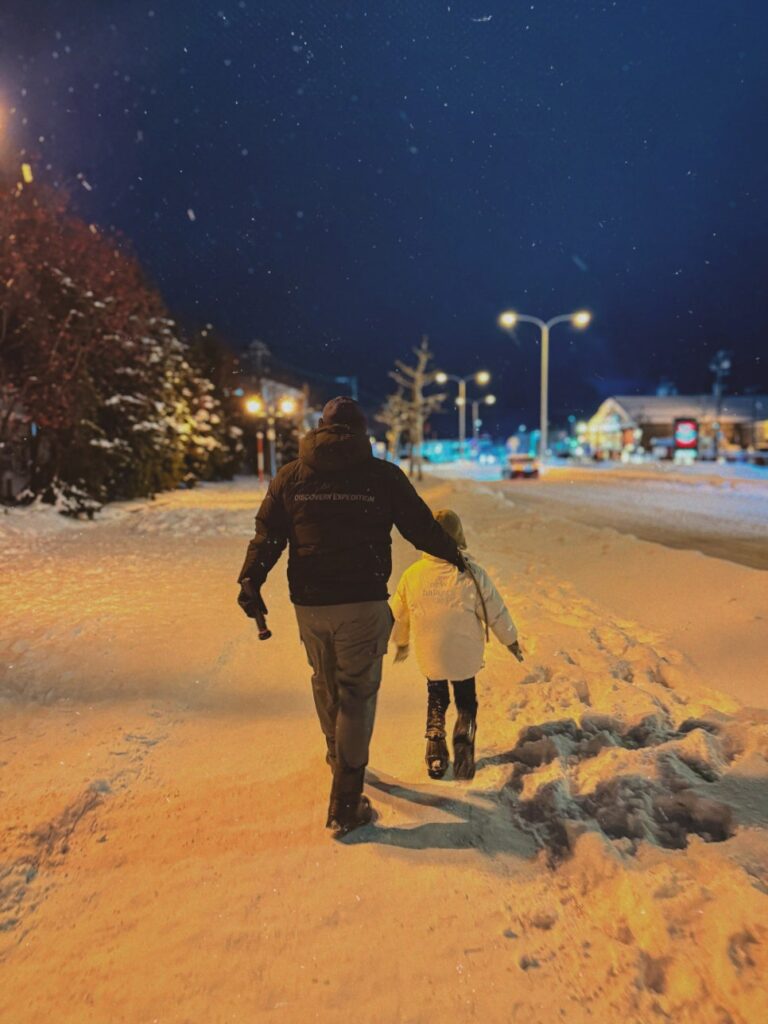
Sapporo weather is fickle, so use a live weather app to track snow clouds.
2. The Local Layering Formula
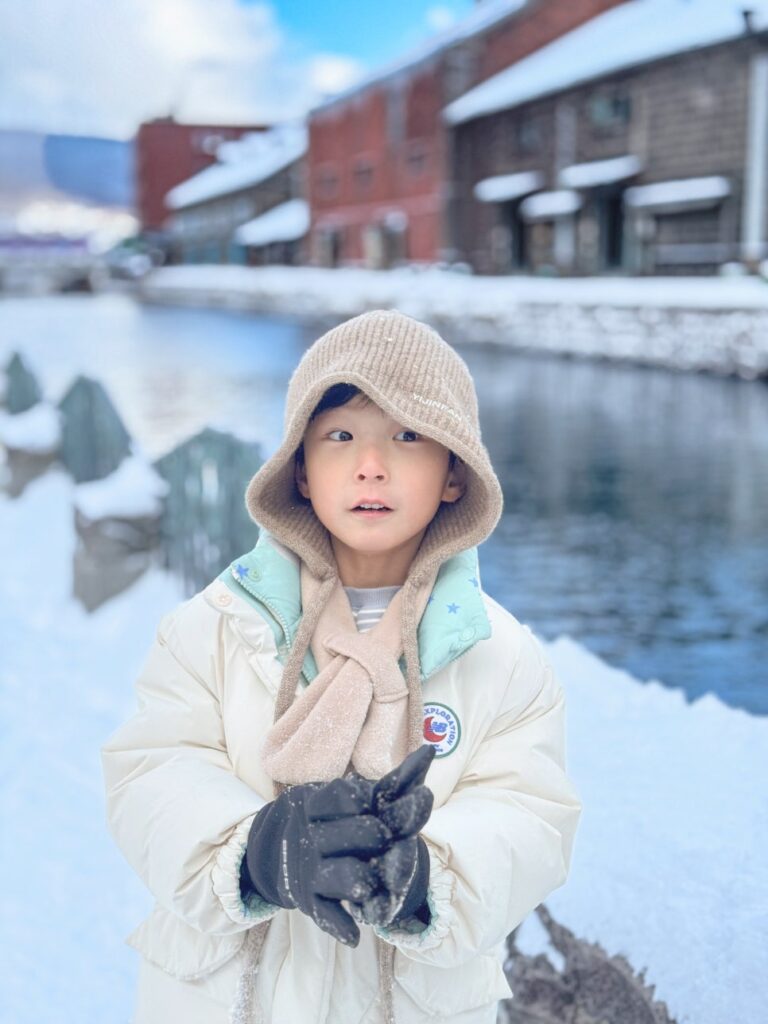
The key challenge in Sapporo winter is a 20-degree gap between indoors and out: Siberia outside, overheated department stores and subways inside. Layers you can take off beat one thick coat.
Layer 1, base: merino wool or functional thermals that wick sweat; avoid cotton, which steals body heat when sweat cools.
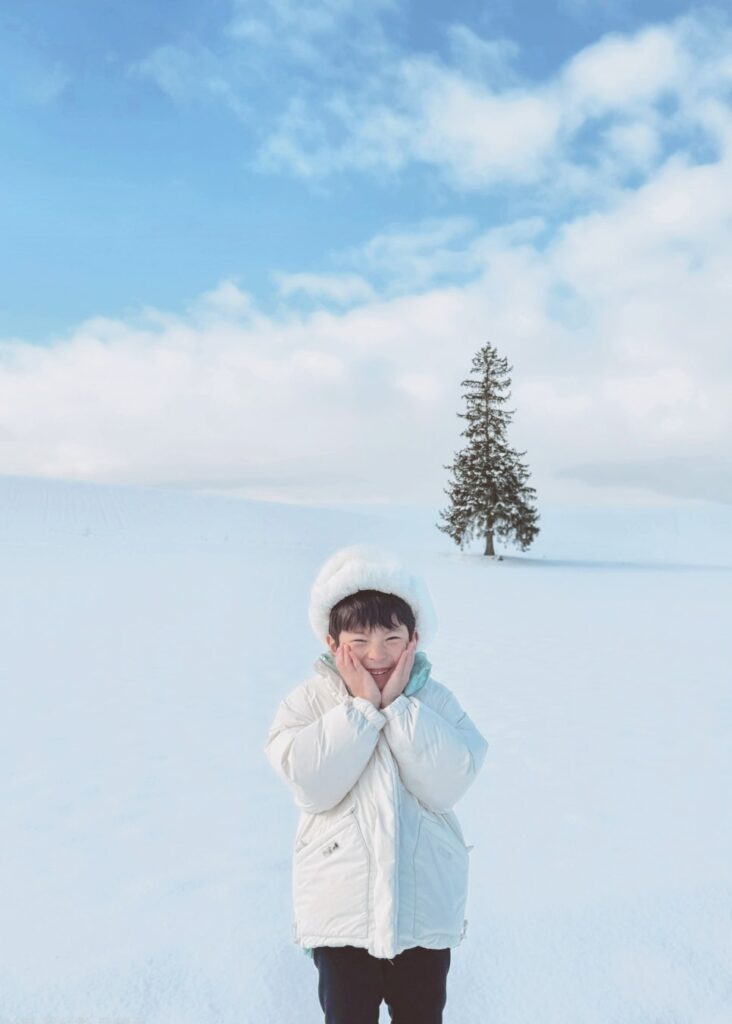
By month: December, standard heat-tech plus 50-denier tights; January, extra-warm brushed heat-tech plus tights of 100 denier or more.
Layer 2, insulation: something comfortable once you take your coat off indoors.
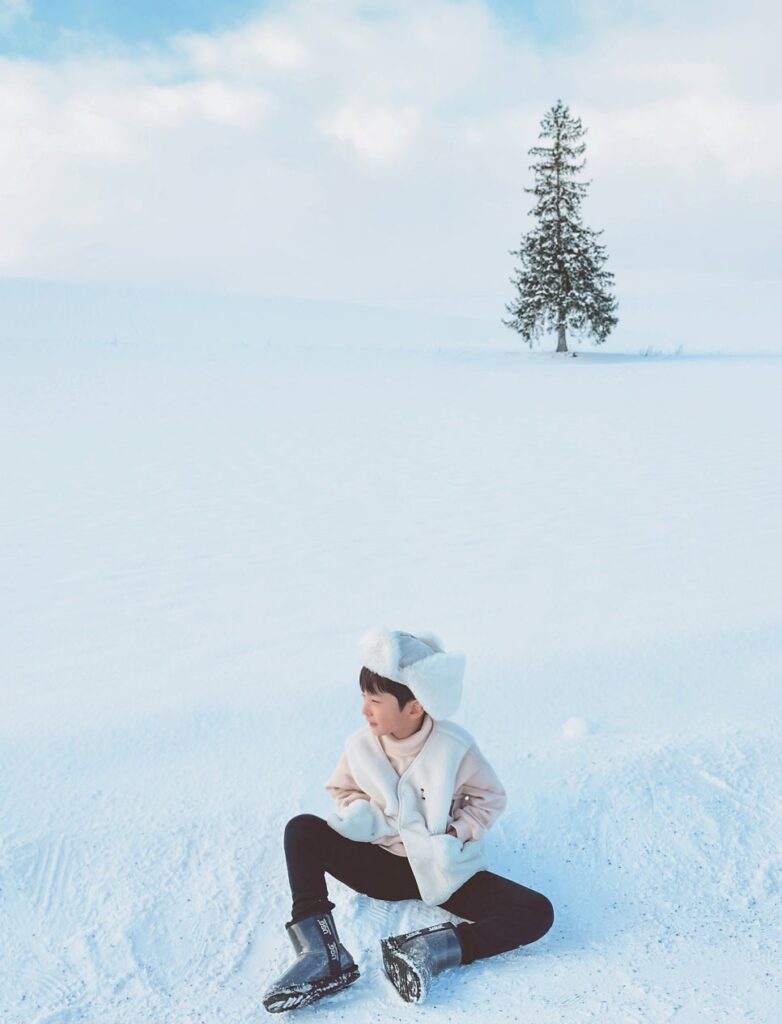
By month: December, a light fleece jacket and turtleneck; January, a thick knit sweater and a warm fleece vest.
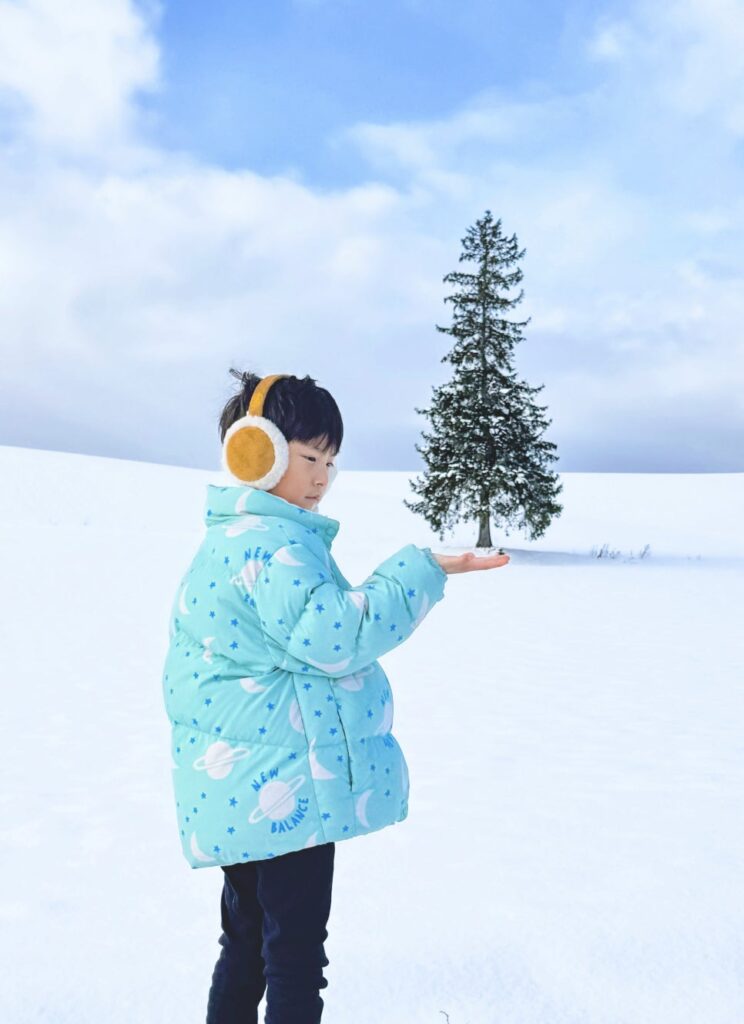
Layer 3, outerwear: waterproof and windproof are essential; once snow soaks in, the misery begins. By month: December, a hip-length down jacket and scarf; January, a knee-length heavy down coat and windproof pants such as ski pants.
Didn’t pack enough? You can buy locally.
Uniqlo or Muji near New Chitose Airport or Sapporo Station are great value; a basic set for 5,000–10,000 yen does the job.
3. With Kids, Don’t Forget These
Kids care more about playing than the cold, so they need gear that survives rolling in the snow.
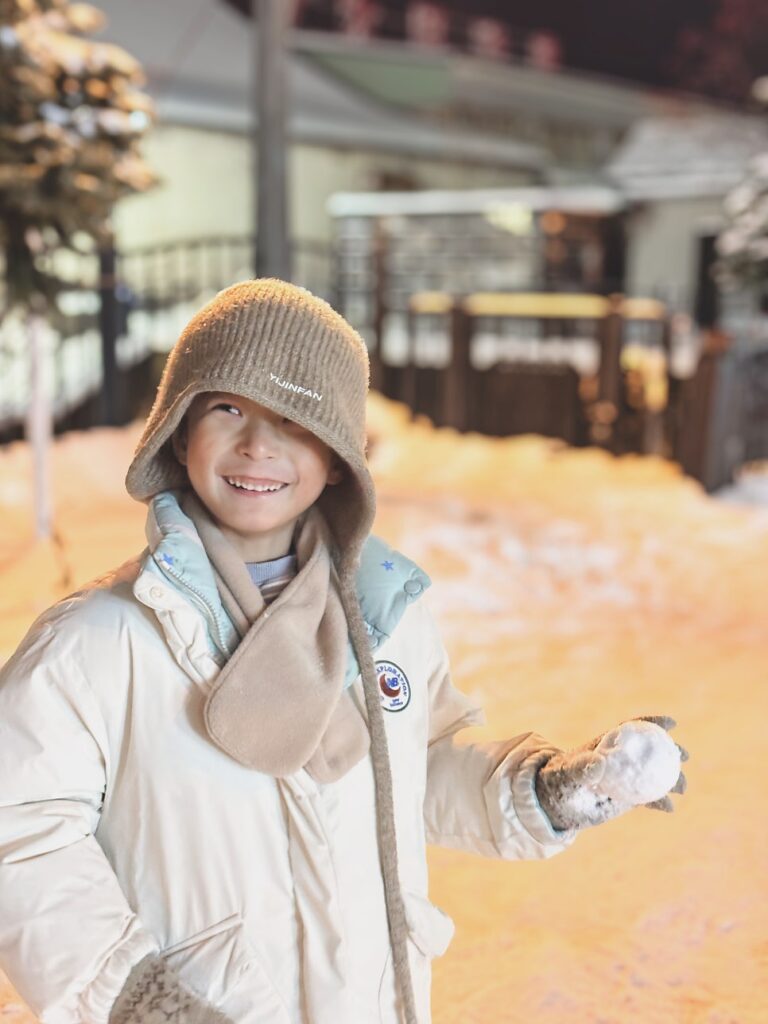
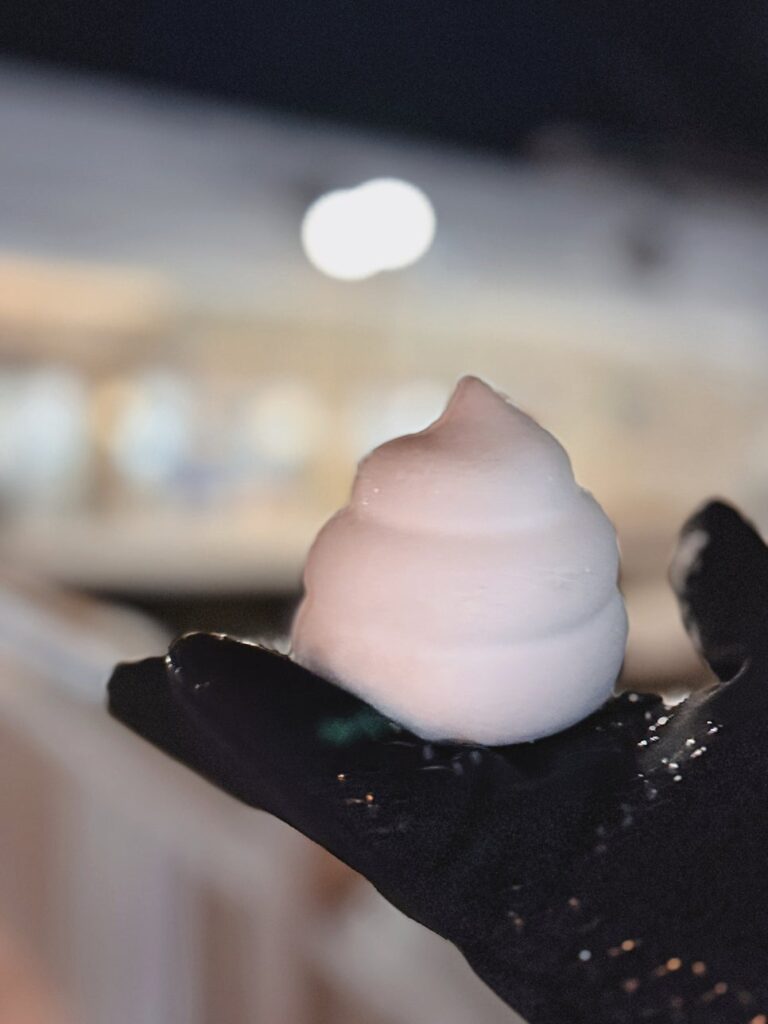
Must-have items for kids: a one-piece ski suit, since kids lie down in snow the moment they see it; waterproof ski gloves, because knitted gloves soak through instantly; and stick-on hand warmers for their backs or clothes, about 300 yen at convenience stores.
4. Choosing Shoes and Staying Safe on Snow
Shoes matter more than clothes; reportedly 70% of snowy-street accidents in Sapporo are falls.
Shoe tips: skip sneakers and canvas shoes, which are like skates on ice. Choose snow boots with deep treads. If you lack suitable shoes, look for Workman, a budget Japanese workwear brand, where functional winter boots cost around 3,000 yen.
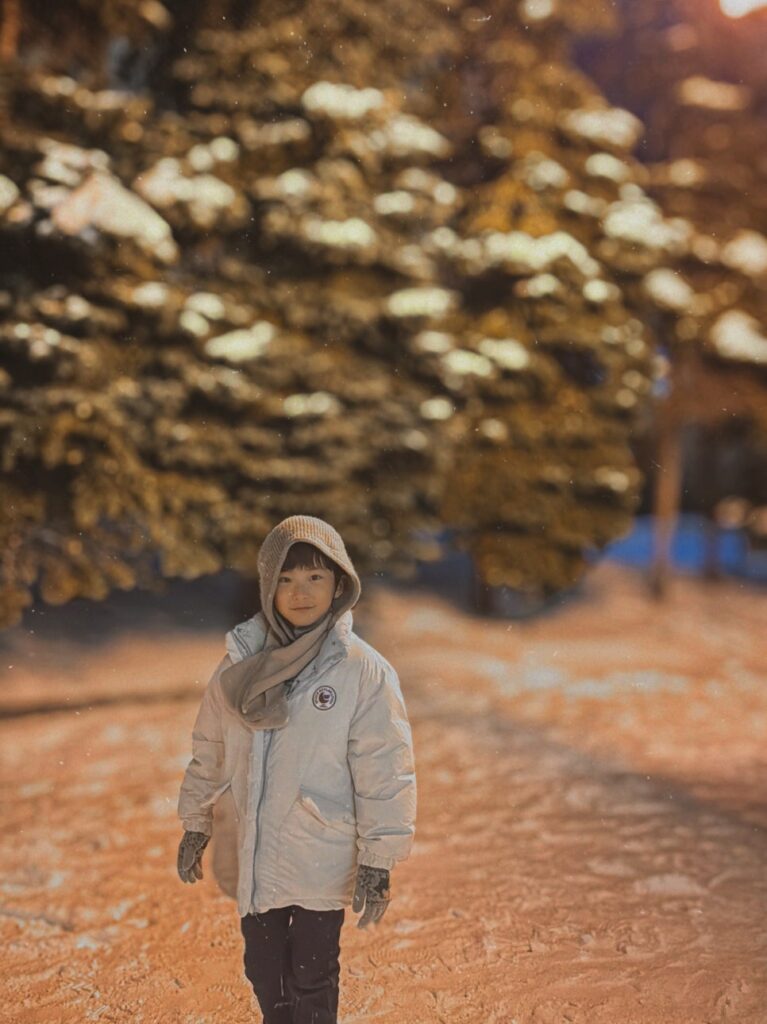
How to avoid slipping: take short steps and plant your whole foot like a penguin, and keep your hands out of your pockets. Use the underground walkways that link Sapporo Station, Odori Park and Susukino; in a blizzard, go underground.
5. Practical Travel Checklist
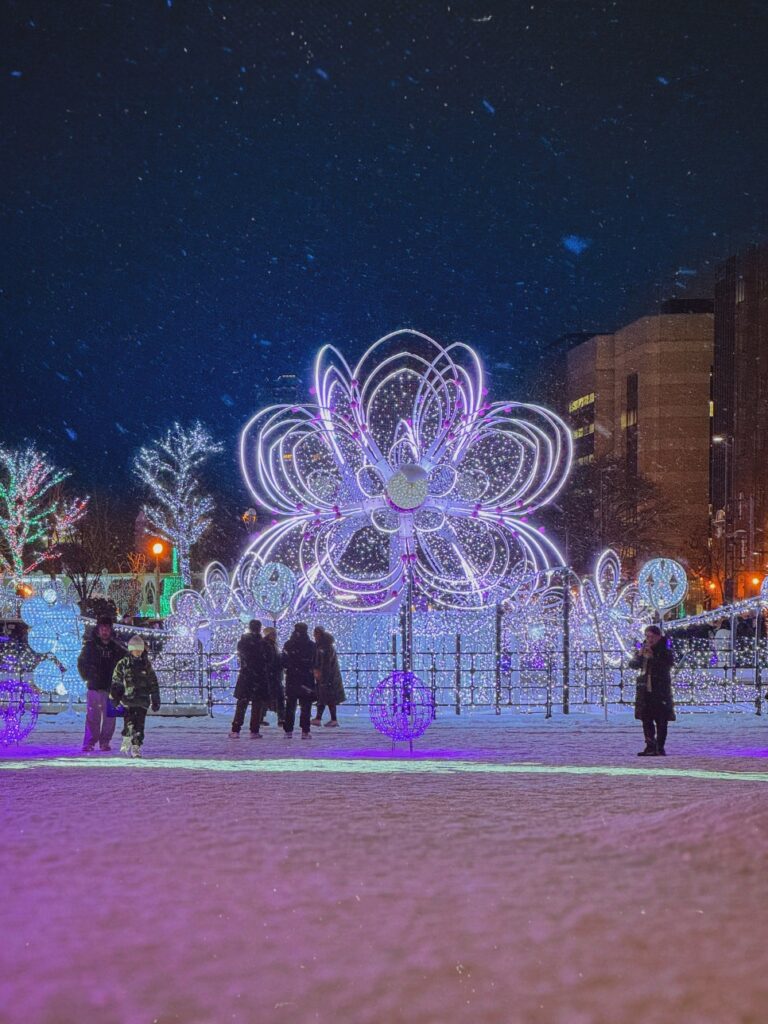
Finally, local details that are easy to miss.
1. Airport transfers and delays
The JR Rapid Airport train takes about 37 minutes from New Chitose Airport to Sapporo Station (1,150 yen), but snow delays and suspensions are common, so leave at least an hour early on your departure day.
2. New Year closures
January 1–3 is the Oshogatsu holiday, when many restaurants, shops and even some attractions close; check opening and book ahead if you visit then.
3. Fighting dry air
Despite high humidity outside, heated interiors are very dry, so apply lip balm and moisturizer often and drink plenty of water.
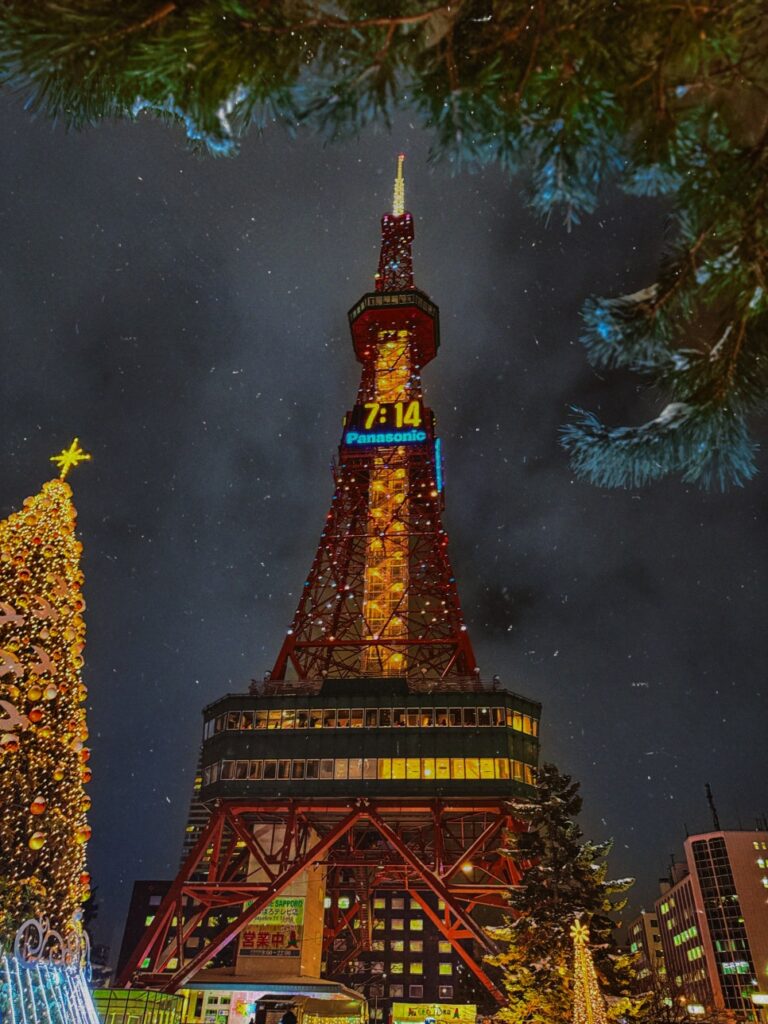
With careful preparation, minus 10°C and icy streets become fun travel stories.
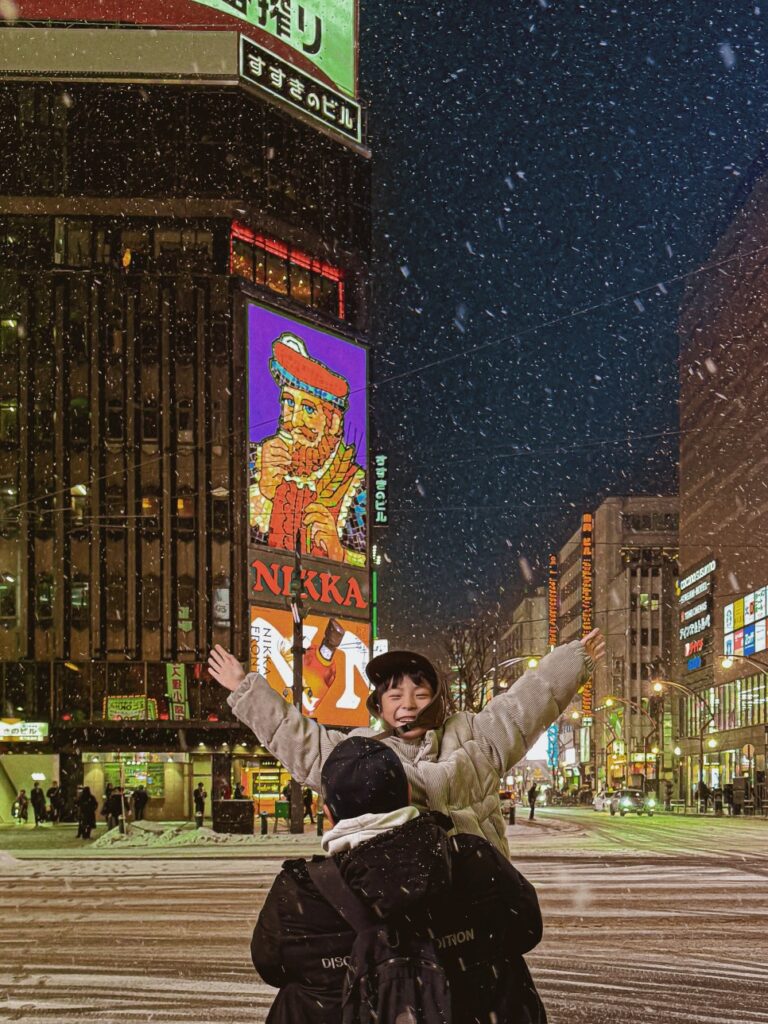
“Thin layers, sturdy shoes and plenty of time”: follow these rules, and Sapporo winter in December and January will give you and your child unforgettable Frozen-style memories.
Prices, hours and details in this post are from our visit in December 2025 and may have changed, so check the latest information before you go.
More Family Trips on Yans World
- Biei Shirahige Falls in Winter: Hokkaido’s Most Stunning Hidden Gem
- Otaru Sushi Guide: Why We Skipped Waraku and Found Toppi — No Wait, Better Value
- Sapporo Ramen Guide: 4 Must-Try Flavors at Yoshiyama Shoten Soseibashi
Schedules and prices can change, so check the Japan National Tourism Organization before you go.